Why Wood Plastic Composite Is a Practical Choice for Termite-Prone Areas
Why is wood plastic composite a practical choice for termite-prone areas?
- No digestible cellulose
- Moisture resistance
- Physical barrier & stability
- No chemical upkeep needed
Overview
- Wood-plastic composite (WPC) reduces vulnerability to termite damage by combining wood fibers with plastic polymers termites cannot digest.
- Its moisture resistance, low maintenance needs, and fire-retardant properties help address common challenges in outdoor environments.
- With wood-inspired textures and finishes, GRM Biowood WPC adds lasting visual appeal to decks, patios, and garden walkways while reducing upkeep and repair concerns.
Upgrading your outdoor space is an opportunity to create a beautiful, functional extension of your home. However, outdoor features face constant exposure to moisture, changing weather conditions, and pests such as termites.
Choosing materials based on appearance alone may lead to costly repairs and frequent replacements if they cannot withstand these conditions. Investing in materials that balance aesthetics, durability, and long-term value is a more practical approach. This is why wood-plastic composite is practical for termite-prone areas.
No Digestible Cellulose

Natural wood contains cellulose, a primary food source for termites. When termites attack susceptible wood, they eat from within, compromising its structural integrity and appearance. Wood-plastic composite (WPC) differs because termites cannot digest its plastic polymers. Made by combining wood fibers or flour with thermoplastics such as polyethylene or PVC, WPC contains less readily accessible food material than natural wood.
Moisture Resistance
Outdoor wood features face moisture exposure beyond rainy days. Even on clear nights, dew settles on decks, garden walkways, and other exterior surfaces as temperatures drop, leaving them damp by morning. This repeated moisture exposure contributes to deterioration, making natural wood more vulnerable to rot and creating conditions that encourage termite activity. WPC, on the other hand, contains plastic that limits moisture absorption, making it generally more resistant to water-related deterioration than untreated natural wood.
Physical Barrier & Stability
Termites penetrate natural wood by chewing through its fibers and creating tunnels that weaken the material from within. You may have encountered a wooden deck post or garden feature that looks perfectly fine on the outside but feels hollow when you press firmly against it. This happens when termites gradually consume the wood’s interior, leaving the outer surface intact while compromising its strength. WPC, however, has a dense, engineered structure that makes penetration more difficult for termites. This added resistance helps reduce the risk of hidden termite damage and premature deterioration in outdoor features.
No Chemical Upkeep Needed
Maintaining a premium outdoor space should not mean scheduling frequent termite treatments or applying chemical preservatives to wood features. WPC offers inherent resistance to termite damage through its material composition, reducing the need for routine chemical treatments for termite protection. To keep WPC outdoor features looking their best, regular cleaning with water and mild detergent is generally sufficient.
Key Benefits of WPC Beyond Termite Resistance
Termite resistance matters when upgrading outdoor spaces, but it is not the only factor that determines how well a material performs over time. Outdoor areas face constant exposure to sunlight, rain, humidity, and daily foot traffic. These conditions affect a material’s appearance, durability, and maintenance requirements. Wood-plastic composite offers additional benefits that make it a practical choice for high-end homeowners seeking an attractive outdoor finish with minimal upkeep.
Waterproof and Moisture-Resistant
A deck surrounding an infinity pool or connecting a covered lanai to an open garden is regularly exposed to pool splashes, rainwater runoff, and morning dew. Over time, repeated moisture exposure causes natural wood to absorb water, leading to swelling, warping, cracking, and eventually rot or mold. These problems compromise the deck’s appearance and require frequent repairs or replacement. WPC helps prevent these issues with its water-repelling plastic polymers and compact composite structure, which limit moisture absorption into the wood fibers.
Low Maintenance
A premium outdoor deck should be a place to relax, not another surface that requires regular sanding, staining, or sealing. Unlike natural timber, which often needs periodic refinishing to maintain its appearance and protect it from moisture, WPC generally requires less intensive upkeep. Its composite structure limits moisture absorption and resists common forms of biological deterioration, while its engineered surface is less prone to splintering than natural wood. Routine cleaning with a broom, water, and mild detergent usually removes dirt and everyday spills, subject to the manufacturer’s care instructions.
Aesthetically Pleasing
Choose a material that complements your home’s architecture and creates a seamless connection between indoor and outdoor living. WPC offers the warmth of natural timber, making it ideal for poolside decks, garden walkways, and elevated patios. Its realistic grain patterns, rich teak tones, and contemporary grey finishes let homeowners match their outdoor features to their preferred design aesthetic.
Fire Retardant
WPC with fire-retardant properties is worth considering for outdoor areas where fire exposure is a concern, such as decks near outdoor kitchens, patios with built-in grills, or exterior walkways beside fire pits. These products contain specially selected additives that slow flame spread and improve the material’s heat response. Depending on the formulation, additives work by absorbing heat or forming a protective layer when exposed to fire. However, fire performance varies by product, so check the manufacturer’s test certification to confirm its rating and suitability for the intended installation.
Upgrade Your Space with Termite-Resistant WPC
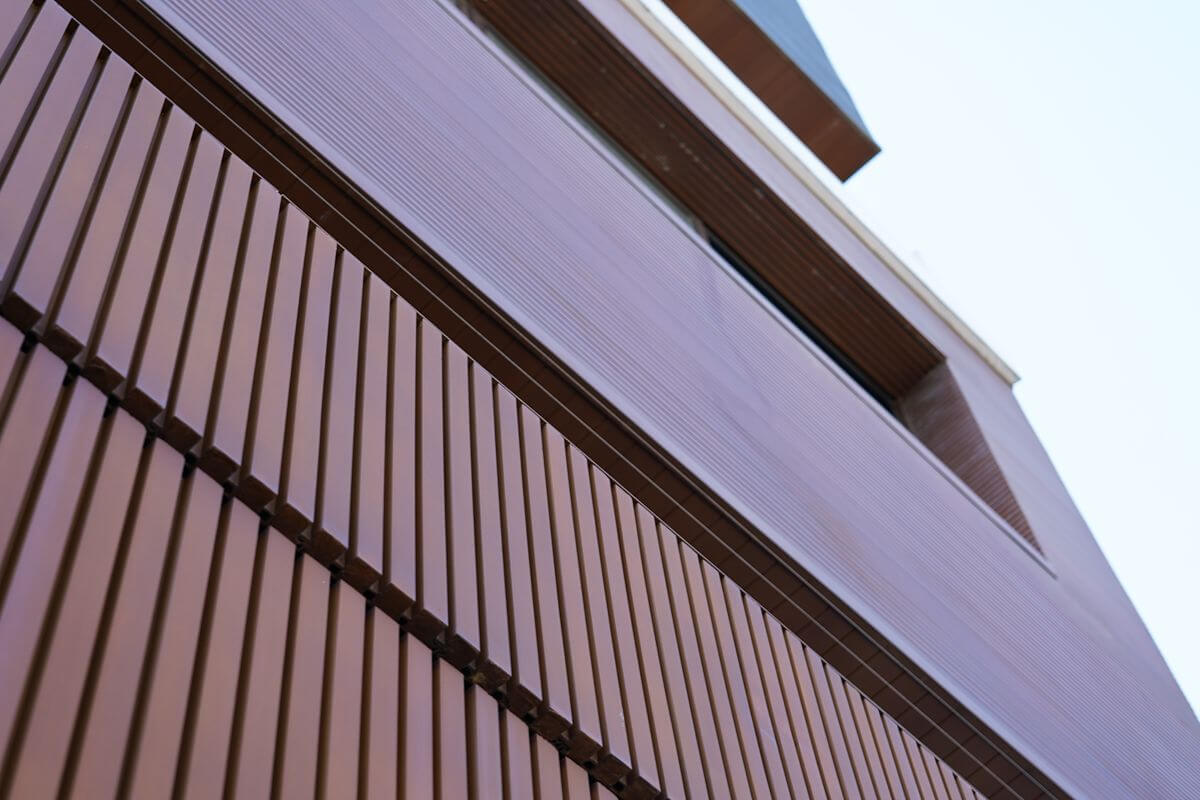
GRM Biowood WPC combines natural timber aesthetics with high-performance engineering to eliminate the heavy maintenance of traditional wood. Formulated with 0.5% water absorption, Class 2 fire retardancy, and superior termite resistance, our composite material effectively protects outdoor spaces against moisture intrusion, fire exposure, and pest damage.
Backed by Global GreenTag certification and designed to support LEED project goals, GRM Biowood provides specifiers and homeowners with a sustainable, low-upkeep architectural solution that delivers lasting durability and long-term cost savings.
Key Takeaway
Choosing the right outdoor material means looking beyond appearance to consider long-term protection against termites and moisture. Understanding why wood-plastic composite is practical in termite-prone areas helps you make a more informed investment.
With GRM Biowood WPC, you can enjoy wood-inspired elegance while reducing concerns about termite damage and frequent maintenance. Contact us now to find the right fit for your outdoor space.