Why Termites Can Be a Problem for Exterior Wood Features
Why can termites be a problem for exterior wood features?
- Direct solid and ground contact
- Moisture trapping
- Hidden internal tunneling
- Bridge points for infestation
- Multiple species threats
Overview
- Exterior wood features face structural risks from subterranean and drywood termites due to ground contact, moisture, and hidden tunneling.
- To prevent costly damage, properties must eliminate wood-to-soil contact, manage drainage, and apply protective sealants.
- Termite-resistant materials like GRM Biowood WPC offer a low-maintenance, durable alternative to traditional timber.
Exterior wood features give a property a striking natural appeal and timeless character, but beneath that beautiful finish, a hidden threat may be waiting.
While you see a spacious deck overlooking a landscaped garden as an attractive feature, termites see something entirely different: their next meal. They quietly feed on susceptible wood, weakening its integrity long before visible damage appears. This is why termites can be a problem for exterior wood features; they threaten not only your property’s appearance but also its durability and long-term maintenance costs.
Direct Soil and Ground Contact
Subterranean termites live in underground colonies and search for cellulose-rich materials, such as wood, to feed on. When exterior features touch the soil or sit close to a building’s foundation, they create an easy access point for termites. For example, a wooden deck post set directly in the ground lets termites crawl from their underground tunnels into the wood and begin feeding from the inside. Because they remain hidden beneath the surface, the infestation may develop without obvious signs of damage.
Moisture Trapping
Wooden exterior features that trap moisture create favorable conditions for termite activity. Termites have soft bodies that are vulnerable to drying out, so damp environments help them stay hydrated and move safely while foraging. Prolonged dampness also softens the wood, making it easier for termites to chew through and access the cellulose they feed on. Excess moisture can also encourage decay fungi, which break down the wood’s fibers and contribute to deterioration.
Hidden Internal Tunneling
A wooden exterior feature may look perfectly intact from the outside, but applying pressure could reveal that its interior has already been eaten away. That is how deceptive they are. As they feed, they create tunnels and hollow out the wood, often leaving a thin outer layer intact for survival and protection from predators and exposure. Infestation can continue unnoticed for months or even years, giving the colony time to grow and spread to other wooden features.
Bridge Points for Infestation
Termites can reach exterior wood features by building mud tubes, which are narrow tunnels made from soil, termite droppings, and other materials. These tubes create protected pathways that help termites retain moisture while traveling across exposed surfaces, including concrete foundations, walls, and pillars. Although termites cannot eat through concrete, they can exploit cracks, gaps around pipes, and spaces between the foundation and wooden structures to access cellulose-rich materials.
Multiple Species Threats
Different species can attack exterior wood features in different ways. Subterranean termites typically rely on soil contact or mud tubes to reach wood, while drywood termites infest dry timber without ground contact. When multiple species target the same property, their combined activity increases damage risk and makes infestations harder to control.
How to prevent termites on exterior wood features
Preventing termite infestations is far more cost-effective than repairing structural damage. Because termites weaken exterior wood from within before visible signs appear, early preventive measures protect your property and prevent unexpected repair costs.
Eliminate Wood-to-Soil Contact
Keeping exterior wood features away from direct soil contact reduces termites’ access and lets the wood dry more effectively after moisture exposure. One way to do this is to use metal post bases that lift the bottom of wooden posts above concrete or soil. For example, maintaining at least 6 inches of vertical clearance between the ground and wooden features reduces moisture exposure and makes termite activity easier to spot.
Control Moisture and Drainage
Proper drainage helps prevent moisture from accumulating around exterior wood features and building foundations. Maintain a positive slope so rainwater flows away from wooden structures instead of pooling nearby. Stagnant water can seep into wooden structures, keeping timber damp, softening it, and making it more vulnerable to wood rot and termite damage.
Apply Protective Treatments and Barriers
Regular cleaning and protective treatments help maintain exterior wood features and reduce their vulnerability to deterioration. Wash away accumulated dirt, dust, and mold, then apply suitable preservatives to untreated wood to help protect against rot and fungal growth. Reapply treatments according to the manufacturer’s instructions, and choose breathable finishes that let moisture escape rather than trap it.
Choose Termite-Resistant Materials
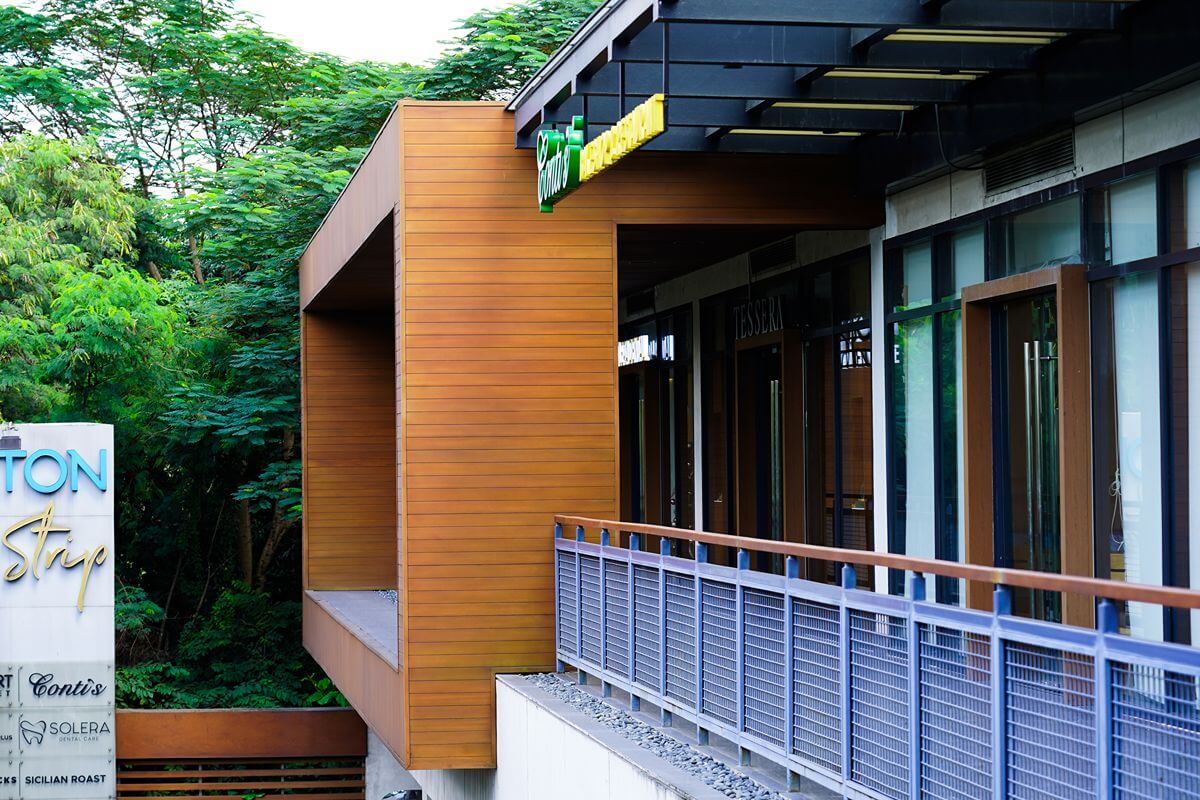
Effective termite prevention starts with choosing materials that resist pest damage and outdoor conditions. Wood-plastic composite (WPC) is a practical alternative to natural wood, combining wood fibers and thermoplastics. Its plastic matrix binds the wood particles, making them less accessible to termites than untreated wood. WPC also absorbs less moisture than traditional wood, helping reduce deterioration and maintenance needs.
Why Choose GRM Biowood for Termite-Resistant Applications
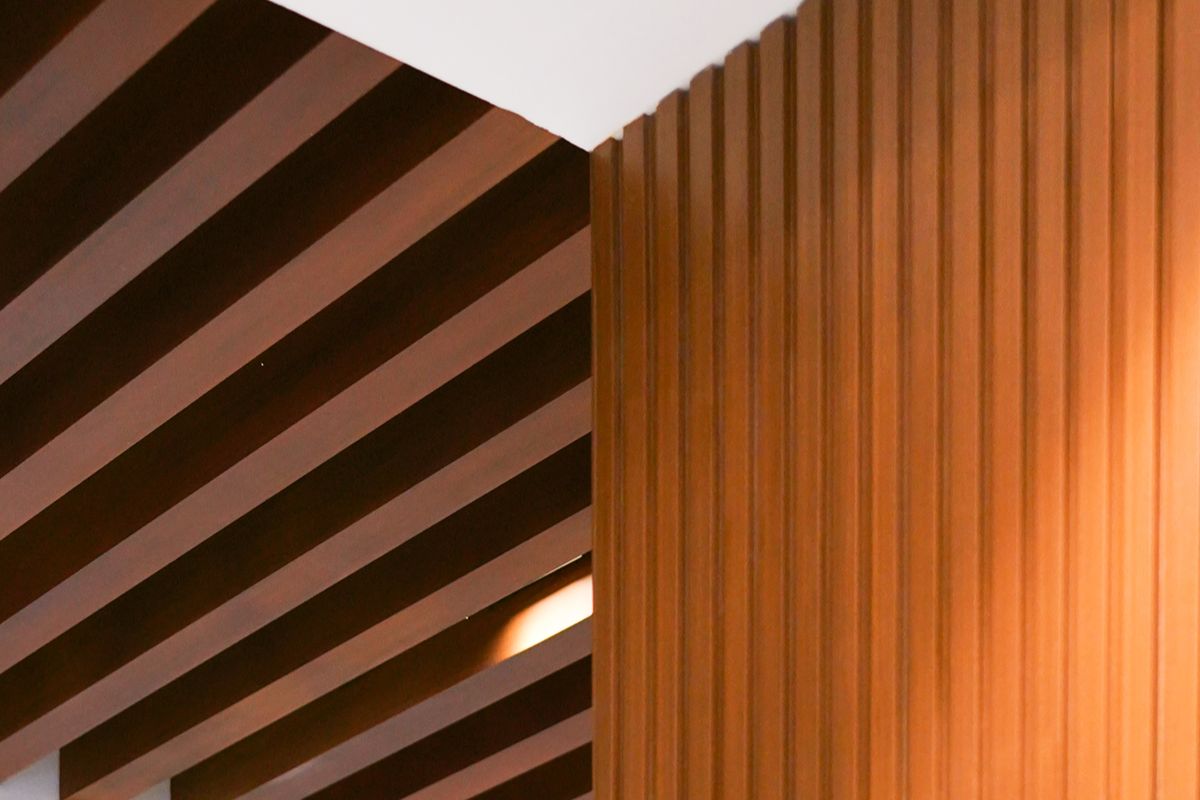
GRM Biowood is a reliable wood-plastic composite (WPC) distributor in the Philippines, offering termite-resistant solutions suited to the country’s tropical climate. Our products offer a practical alternative to natural wood, helping you reduce termite-damage concerns while maintaining a natural and wood-like appearance.
With our proven performance, we help you create low-maintenance exterior features while minimizing the risks associated with traditional timber.
Key Takeaway
Understanding why termites can be a problem for exterior wood features helps you recognize the risks before serious damage occurs.
Termite infestations compromise structural integrity, shorten the lifespan of wooden features, and lead to costly repairs or replacement. Learning what attracts termites and how they spread helps you make better decisions about material selection and preventive maintenance.
Protect your exterior features before termite damage becomes an expensive problem. Contact us to find the right materials for a cost-effective, long-lasting exterior. Explore GRM Biowood’s termite-resistant solutions today!