What Affects Wood Decking Prices in the Philippines?
What are the factors that affect wood decking prices in the Philippines?
- Material selection
- Design and customization
- Brand and origin
- Market conditions
- Installation requirements
Overview
- Wood decking prices in the Philippines vary based on material quality, design complexity, sourcing, market conditions, and installation.
- Homeowners and developers must consider durability, climate resilience, and maintenance when choosing between hardwoods and WPC decking.
- Understanding these factors ensures a long-lasting, visually appealing investment for residential, commercial, or hospitality projects.
When planning a wood deck for your home or commercial space, understanding what affects wood decking prices in the Philippines is essential. Although many decking materials may look similar, differences in durability, design, quality, and manufacturing can create significant price variations.
For homeowners and property developers, choosing the right decking is more than an aesthetic decision—it is a long-term investment that must withstand the tropical climate while delivering lasting value and performance.
In this article, we’ll uncover these factors:
Understanding Wood Decking in the Philippine Market
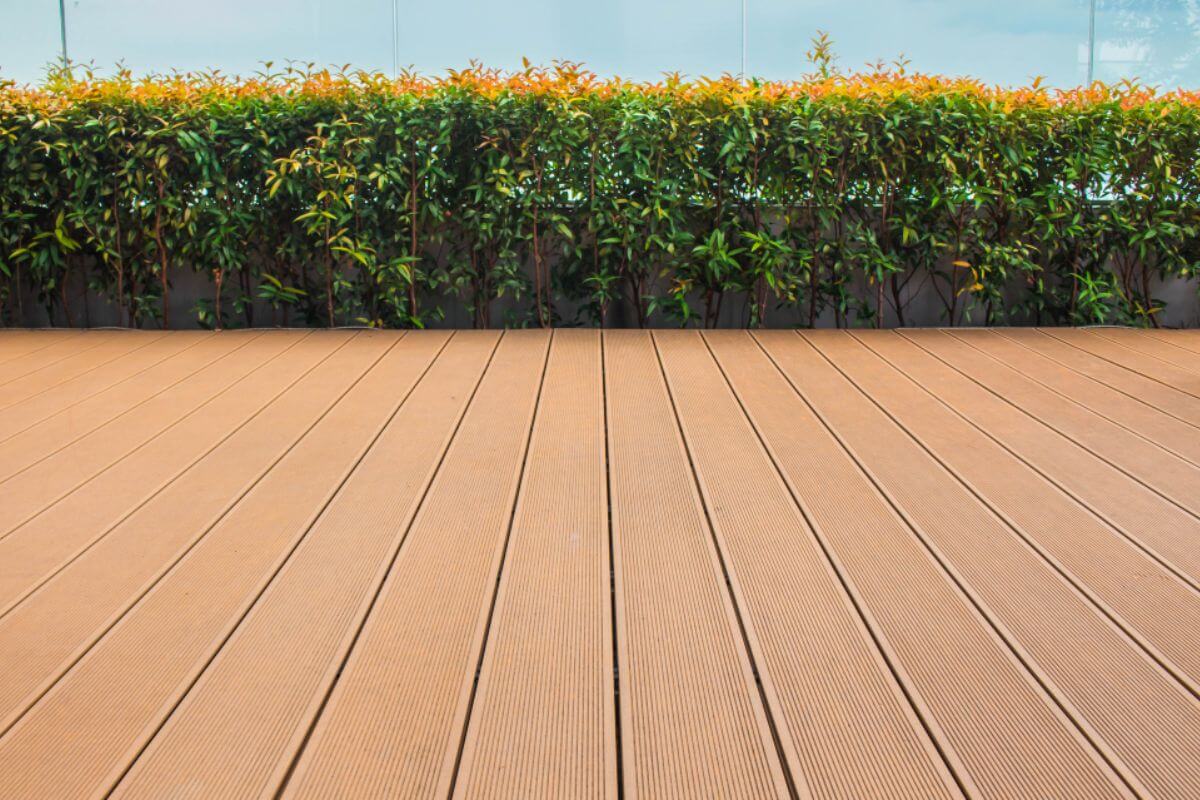
The Philippine wood decking market combines traditional hardwoods with rising demand for wood-plastic composites (WPC) and sustainable alternatives. While native and imported hardwoods provide aesthetic appeal, humidity, termites, and high maintenance limit their practicality.
Durable WPC decking, such as GRM Biowood, offers extended lifespan and lower upkeep through thermoplastic enhancements.
Urban landscaping growth, expanding real estate developments, and increased interest in sustainable materials continue to push demand for quality decking. The wood-based panel sector, which includes plywood for decking applications, is expected to grow at an 11.5 percent CAGR and reach USD 654.1 million by 2030, with OSB leading segment expansion. Globally, wooden decking follows a 3.9 percent CAGR, supported by the preference for treated and thermally modified wood that can withstand shifting climate conditions.
Price Determinants
Before choosing a decking material, it’s important to understand the factors that influence its cost. Material type, manufacturing processes, sourcing, and market conditions all play a role in price differences.
Material Selection
Wood decking prices largely depend on material type and quality. Premium hardwoods like teak, acacia, or narra resist moisture, rot, and termites but cost more due to density, limited supply, and imports.
Wood-plastic composites (WPC), including options from GRM Biowood, are engineered for tropical climates, offering dimensional stability, resistance to humidity, and reduced maintenance. Features such as UV protection, anti-slip surfaces, and enhanced wear resistance add to the upfront price but can provide better long-term value, particularly in high-traffic or coastal areas. Buyers must weigh natural wood aesthetics against the practical benefits of engineered alternatives.
Design and Customization
The complexity of a decking design significantly influences cost. Simple planks require minimal processing, while interlocking systems, multi-layered boards, or precision-milled edges involve more advanced machinery and specialized labor.
Aesthetic features like wood grain embossing, color variation, and protective coatings enhance appearance and durability. Though they increase upfront costs, they improve installation, weather performance, and reduce long-term maintenance. Buyers should weigh design sophistication against price to meet both functional and visual needs.
Brand and Origin
Decking origin impacts price: imported materials cost more due to shipping, duties, and certifications, while local products may be cheaper but vary in quality and consistency.
Reputable brands like GRM Biowood provide quality assurance through standardized production, thorough testing, and material consistency. While investing in trusted brands may increase upfront costs, it can reduce maintenance, replacement frequency, and the risk of premature deterioration, making it a prudent long-term decision for homeowners and developers alike.
Market Conditions
Supply and demand directly influence wood decking prices, with high construction activity driving costs up and oversupply lowering them.
Transportation, logistics, and environmental events like typhoons or floods can also affect material availability. Global trends in timber and composites further impact local pricing, making these factors key considerations for buyers.
Installation Requirements
Wood decking with complex layouts, raised structures, or uneven surfaces requires skilled installation to ensure durability, safety, and proper alignment.
Professional labor adds upfront cost but prevents future issues like warping or water damage. DIY (Do It Yourself) installation may lower expenses, but can compromise longevity, making installation a key factor in overall investment.
How Buyers Can Understand and Manage Pricing Variations
Even with a solid understanding of what affects wood decking prices in the Philippines, comparing options can still feel challenging. A strategic approach makes the process easier.
Keeping the following practical principles in mind allows you to assess your choices with confidence and select decking that aligns with both your requirements and your budget.
- Identify your priorities, such as durability, texture, sustainability, or color.
- Treat price differences as indicators to compare quality details.
- Work with suppliers who clearly explain materials, warranties, and lifespan.
- Match your selection to your project timeline and expected usage.
- Factor in long-term savings from reduced maintenance or repairs.
- Evaluate overall performance, including construction quality and durability.
Key Takeaway
Wood decking prices depend on material quality, manufacturing, sourcing, market conditions, and installation. Cost alone doesn’t determine value.
Understanding these factors helps homeowners select decking that looks good, performs well, and lasts, ensuring a smart and durable investment for any outdoor space.
At GRM Biowood, we guide you in choosing from a curated selection of premium wood and WPC decking, ensuring quality, durability, and reliable sourcing.
Contact us today to find the ideal decking solution that complements your space, endures the elements, and provides lasting value for your home or commercial project.