What are the Reasons Designers Are Choosing Wood Ceiling Panels in Modern Homes
What are the reasons designers are choosing wood ceiling panels in modern homes?
- Biophilic design and wellbeing
- Superior acoustics
- Design versatility
- Utility and concealment
- Minimal wear and tear
- Sustainability
Overview
- Modern ceiling panels can enhance acoustic comfort, support biophilic design principles, and offer greater flexibility across a wide range of architectural styles.
- As residential design continues to prioritize both performance and visual appeal, wood ceiling panels have become an increasingly popular choice for contemporary homes.
Ceiling design has become an important element in shaping how modern homes look and feel. It is no longer treated as a finishing touch alone; designers now pay attention to how ceiling materials affect acoustics and how they soften or sharpen a room’s feel.
This shift is one of the key reasons why designers are choosing wood ceiling panels in most contemporary residential projects. Beyond their appearance, wood-based materials can support more comfortable and cohesive interiors.
In homes where natural light, sound control, and material consistency all matter, wood ceiling panels can help create a calmer and more grounded atmosphere. Let’s take a closer look at the main reasons behind this growing preference in modern residential design.
Biophilic Design and Wellbeing
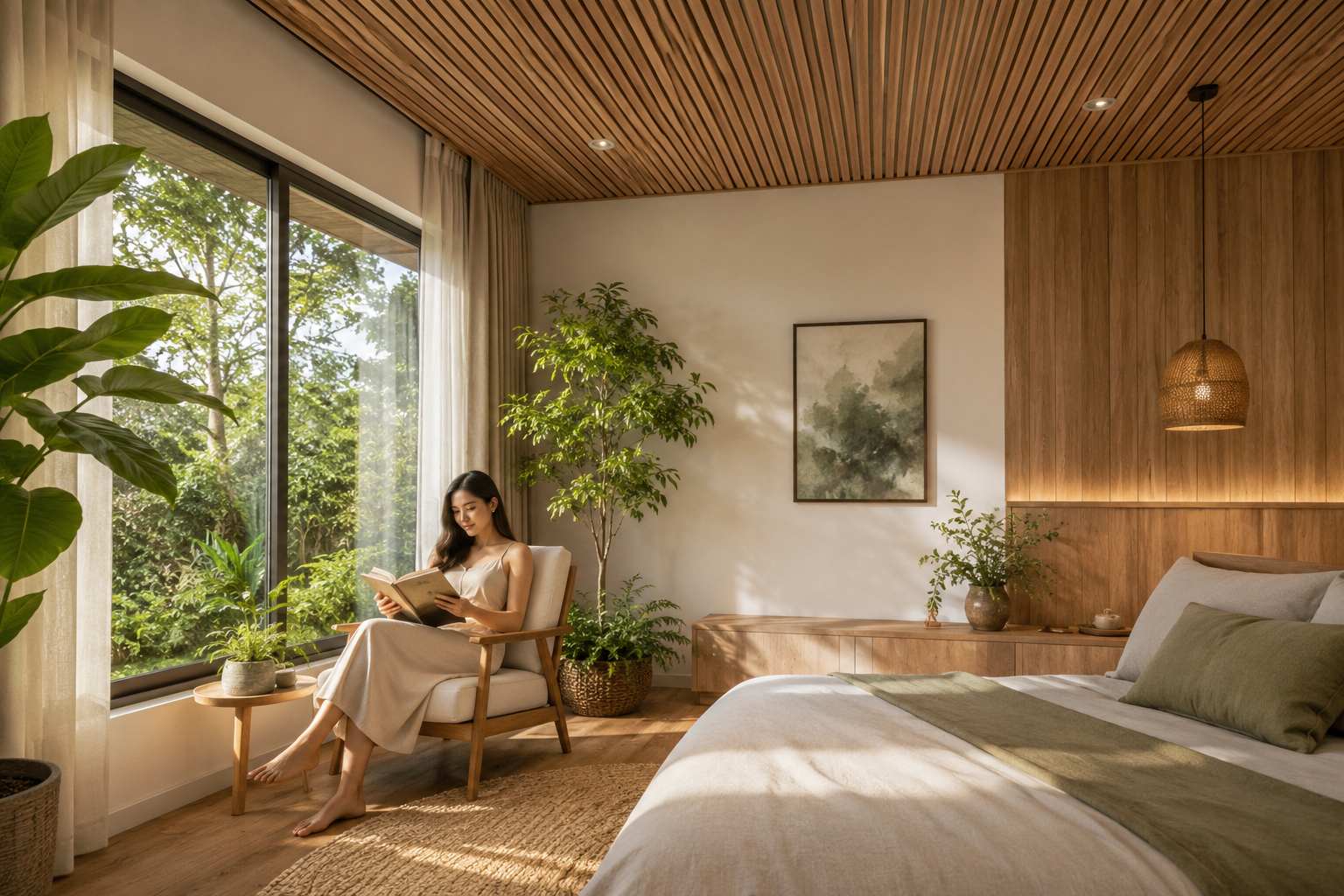
Modern residential architecture increasingly embraces biophilic design principles, which emphasize our innate physical and psychological affinity for the natural world. Integrating visible wood elements and organic textures into the living space directly triggers physiological relaxation responses.
Empirical studies demonstrate that these natural interiors actively lower blood pressure, stabilize heart rate variability, and reduce stress-related nervous system activity, transforming the home into a genuine sanctuary for systemic recovery.
Wood maintains a stable surface temperature, avoiding the harsh chill of metal or tile and enhancing tactile comfort. This exemplifies how biophilic design goes beyond visual appeal, leveraging material performance to deeply optimize human perception and sensory comfort.
Superior Acoustics
The wood’s surface materials can influence how sound waves travel, reflect, and dissipate throughout a room. The acoustic properties of wood can be further enhanced when engineered for sound-control applications.
Ceiling panels designed with perforations, slatted profiles, acoustic backing, or air cavities can help absorb and diffuse sound energy more effectively than solid surfaces alone. By reducing reverberation and limiting excessive sound reflections, they help improve speech clarity and create a more balanced acoustic environment.
Given these qualities, engineered wood ceiling panels are commonly used in spaces where sound control is important. In residential settings, for example, GRM Biowood’s slatted ceiling panels help control sound by reducing echoes and reverberation.
Design Versatility
From minimalist interiors to more expressive architectural concepts, designers seek solutions that provide greater creative freedom while maintaining visual consistency.
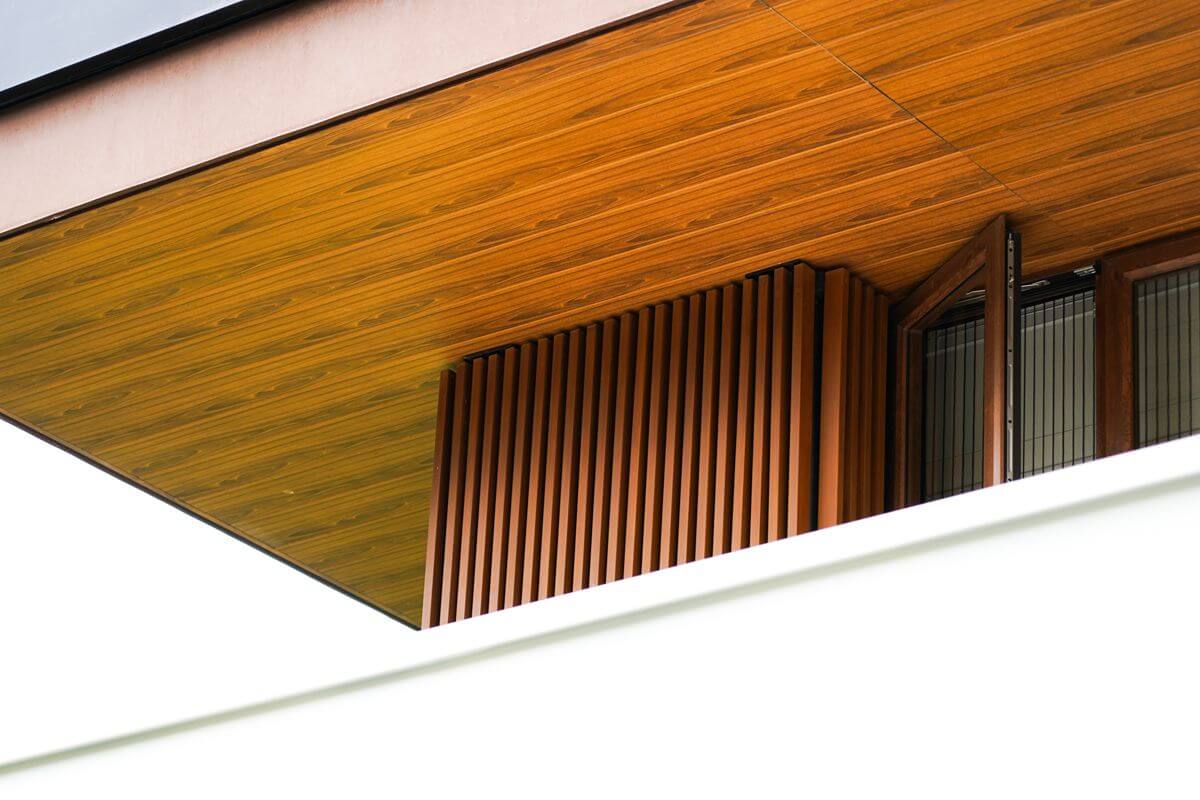
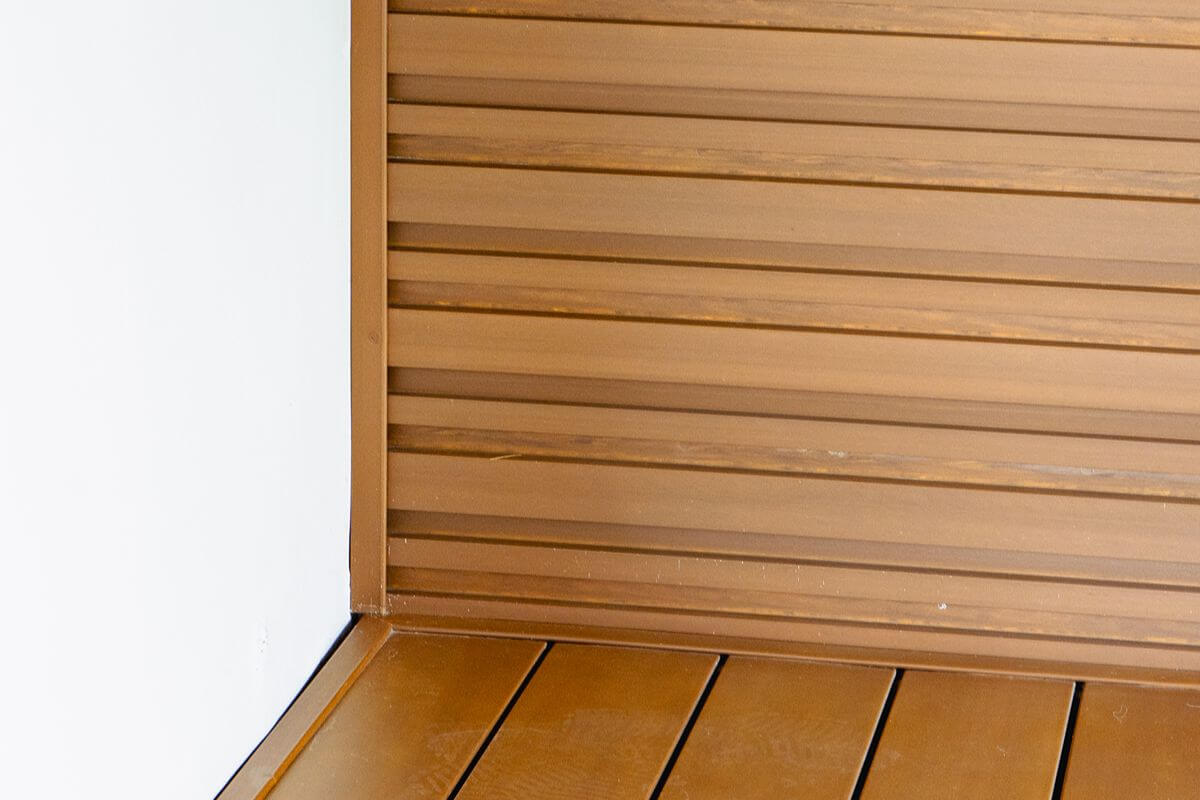
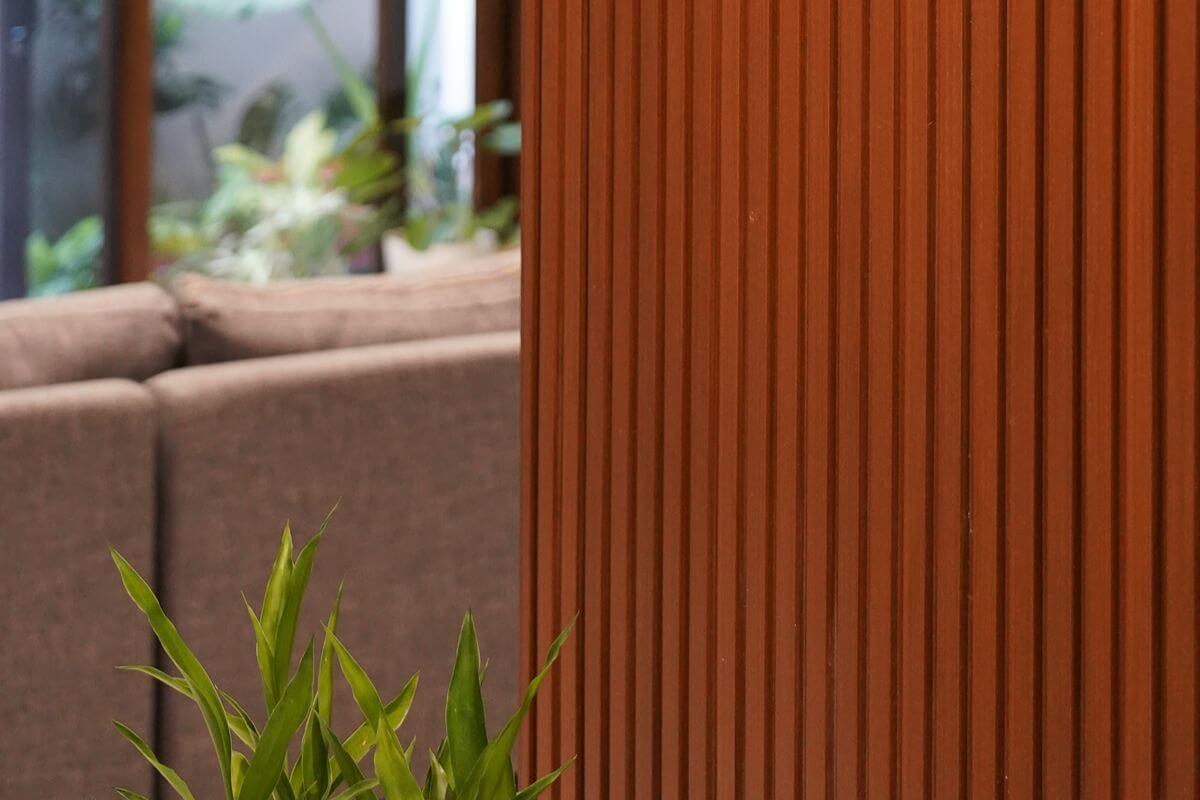
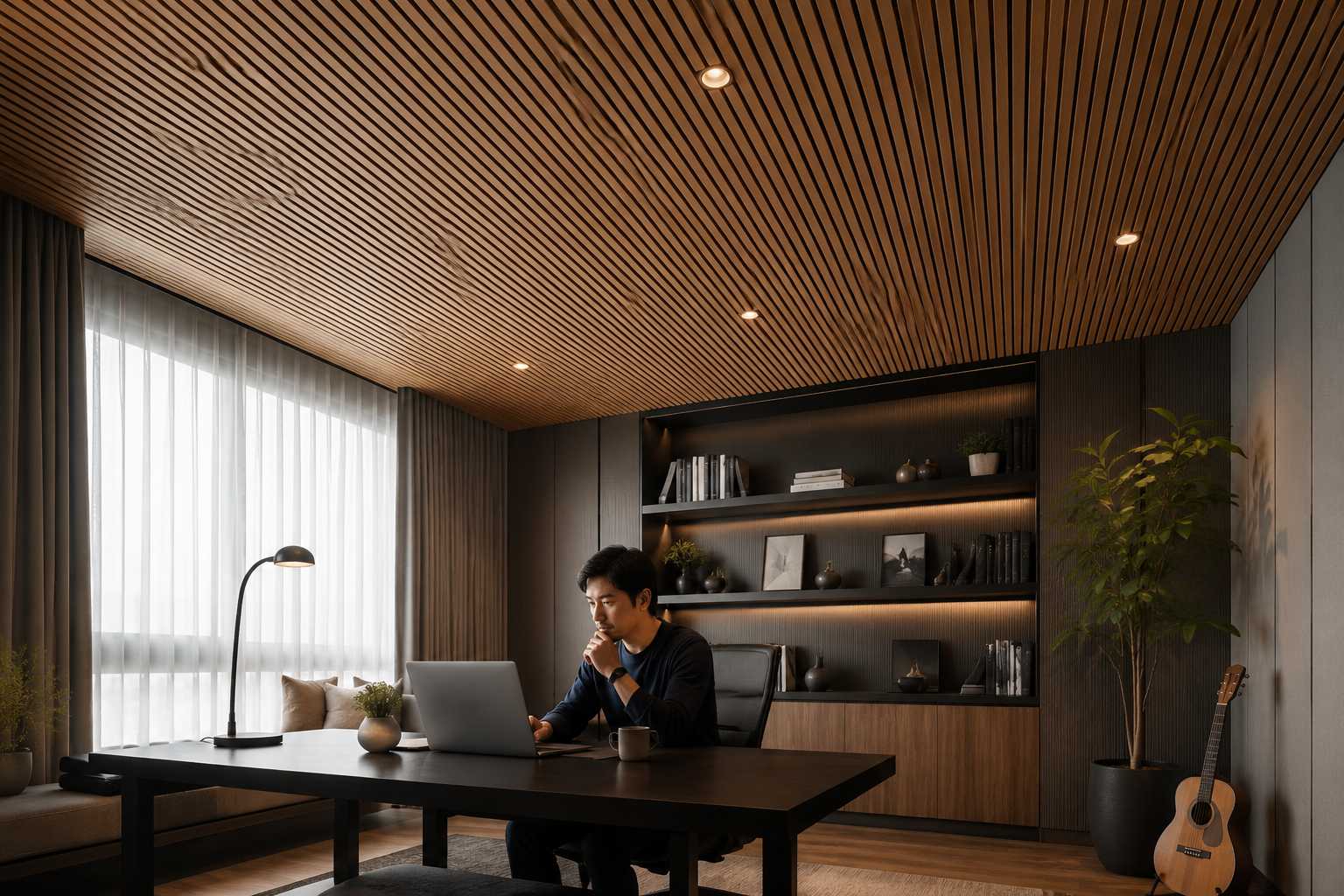
Wood ceiling panels offer this flexibility through a variety of finishes, profiles, and configurations that can be tailored to different design requirements. Fluted panels, for example, introduce texture and depth through their grooved surfaces, while slatted designs create rhythm and visual interest through evenly spaced linear patterns
These options allow designers to achieve a broad range of aesthetics, from warm, rustic interiors to sleek, contemporary living spaces.
Utility and Concealment
In both new construction and renovation projects, designers often need to work around exposed utilities, uneven surfaces, and other structural constraints. These elements can affect the visual continuity of an interior when left visible.
One of the practical advantages of wood ceiling panels is their ability to conceal building services that would otherwise remain exposed. Ductwork, HVAC components, plumbing lines, and electrical wiring can be integrated behind the panels to help create a more organized appearance.
For renovation projects, wood ceiling panels can also help address existing ceiling imperfections or accommodate service routes without requiring extensive structural modifications.
Minimal Wear and Tear
Modern residential materials are often evaluated not only for their appearance but also for the amount of upkeep they require over time.
Biowood WPC ceiling panels, for example, are designed for long-term durability and typically last 15 to 30 years, depending on installation conditions and care requirements, with only minimal routine maintenance. Unlike materials that may require frequent refinishing or repairs, they are engineered to retain their appearance and performance over an extended period.
Their longevity is further supported by material enhancements such as UV stabilizers, color-stable pigments, and moisture- and fire-resistant additives.
Sustainability
Sustainability has become an increasingly important consideration in modern residential design. This has increased interest in products that can balance performance requirements with environmental considerations.
We support this approach through wood-plastic composite solutions engineered to provide the appearance of natural wood while promoting more resource-conscious construction practices. Manufactured from premium Indonesian materials, our ceiling panels are designed to deliver consistent quality while reducing reliance on traditional timber.
As a sustainable alternative to conventional wood products, Biowood ceiling panels can contribute to environmentally conscious building strategies and support broader efforts toward responsible material use.
Key Takeaway
Understanding the reasons designers are choosing wood ceiling panels helps explain why they have become a popular feature in modern residential design.
At GRM Biowood, we provide high-quality WPC ceiling panels engineered to meet the needs of contemporary homes and architectural projects.
Get in touch with our team today to explore the right ceiling panel solution for your next project.