How Do UV Stabilizers Protect Wood-Plastic Composite (WPC) Panels From Philippine Sunlight?
How do UV stabilizers protect wood-plastic composite (WPC) panels from Philippine sunlight?
- Preventing photodegradation
- Color retention (fading resistance)
- Surface protection
- Maintaining structural integrity
- Improved lifespan
Overview
- Tropical conditions accelerate the deterioration of composite panels, affecting durability and appearance.
- UV stabilizers help prevent material breakdown, fading, surface damage, and structural distortion.
- These protective additives improve longevity, reduce maintenance needs, and support cost efficiency, enabling architects and developers to achieve durable, visually consistent facades suited for long-term performance in demanding environments.
The Philippines’ tropical climate exposes building materials to intense ultraviolet (UV) radiation year-round. For wood-plastic composite (WPC) panels, prolonged sun exposure can accelerate deterioration, leading to fading, surface damage, and reduced structural performance.
As these materials become increasingly popular in modern architecture, understanding the role of UV stabilizers in WPC panels becomes essential for ensuring long-term durability and visual consistency in exterior applications.
UV stabilizers play a critical role in protecting WPC panels from the effects of harsh sunlight, helping maintain both performance and appearance in demanding environments.
Preventing Photodegradation

Photodegradation is a primary cause of premature material failure in outdoor applications. Continuous sun exposure breaks down the polymer matrix and wood fibers within composite panels, resulting in surface chalking, brittleness, and reduced mechanical strength.
Protective additives function by absorbing or deflecting harmful radiation before it penetrates the material. This process slows the degradation cycle and helps the panels maintain their structural integrity even under prolonged exposure to sunlight.
Reducing internal damage allows these engineered materials better to withstand the environmental stresses common in tropical climates, supporting long-term durability and consistent performance.
Color Retention (Fading Resistance)
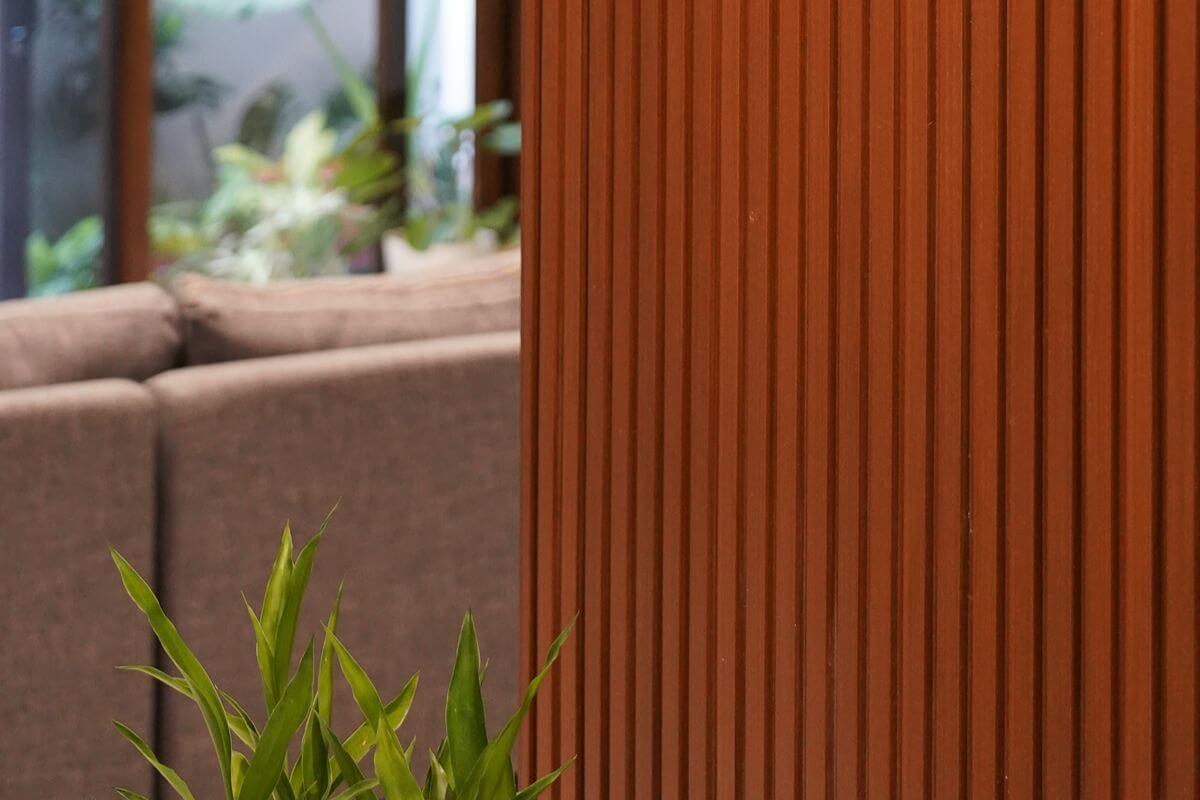
One of the most noticeable effects of prolonged sun exposure is color fading. Over time, intense radiation degrades surface pigments and polymers, causing panels to lose their original vibrancy and develop uneven discoloration.
Protective additives help prevent these changes by neutralizing the chemical reactions triggered by sunlight. This protection preserves the panel’s original color and finish, allowing building facades to maintain a clean and consistent appearance over time.
For architects and developers, this results in reduced aesthetic degradation and a more enduring visual appeal.
Surface Protection
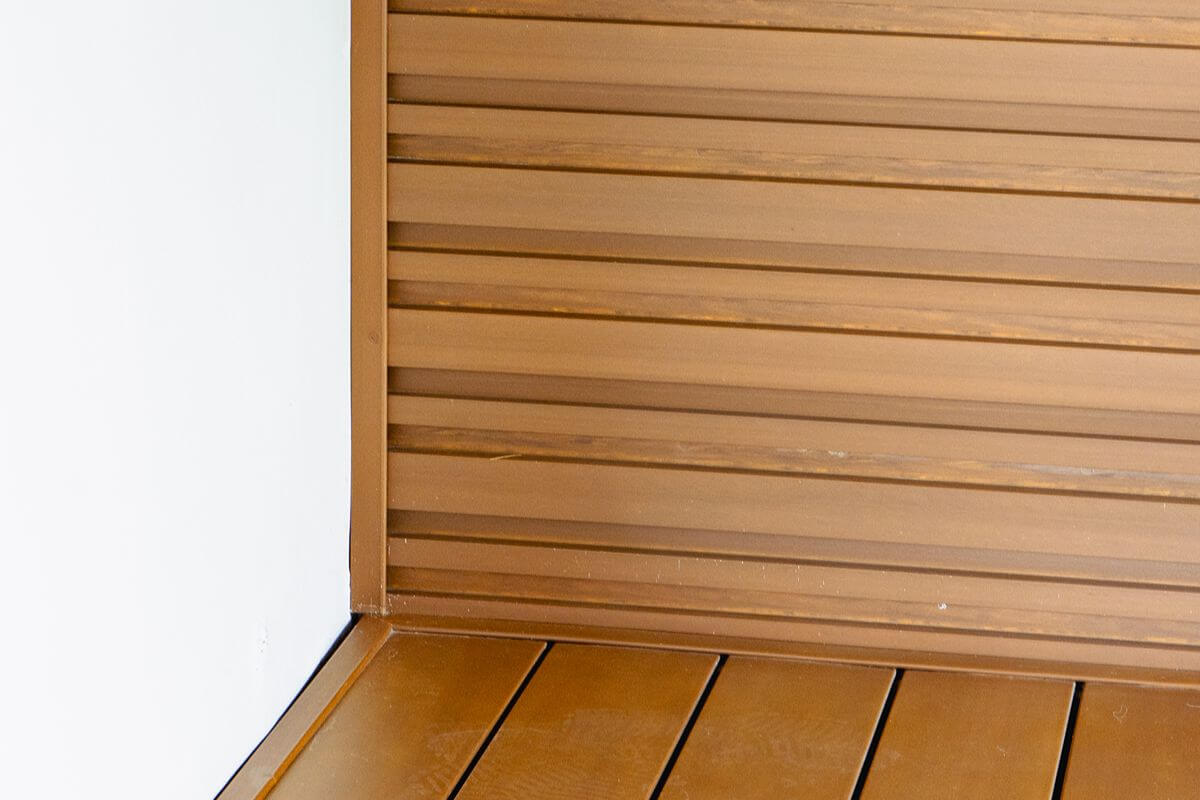
UV exposure can gradually roughen the surface of WPC panels, making them more susceptible to dirt accumulation, staining, and microbial growth. As surfaces degrade, maintenance requirements increase, and the overall appearance of the facade can decline.
Panels enhanced with UV stabilizers resist surface deterioration, helping maintain a smoother finish over time. This reduces the buildup of dust and pollutants while making routine cleaning more efficient.
Maintaining surface quality not only preserves the visual integrity of the installation but also supports long-term performance in outdoor environments.
Maintaining Structural Integrity
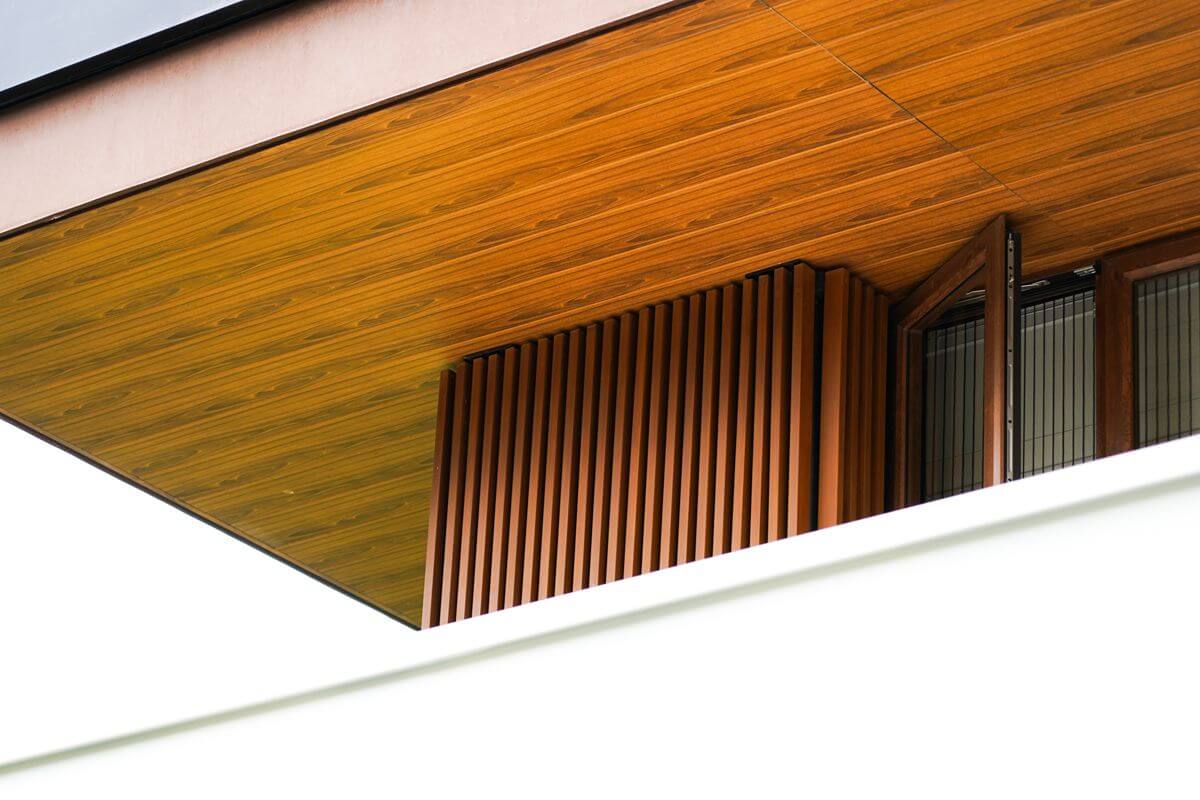
In tropical environments, composite panels are exposed to heat, humidity, and intense sunlight, which can cause expansion, contraction, and eventual warping as the material degrades.
For example, a building facade may start with perfectly aligned panels, but over time, unprotected materials can shift or bow, creating visible gaps and uneven surfaces.
Stabilizing additives help preserve material consistency, allowing panels to retain their shape and remain properly aligned throughout their lifespan.
Improved Lifespan

Frequent repairs or early replacement of facade materials can significantly increase project costs, especially in large-scale developments exposed to continuous sunlight. Ongoing maintenance requirements may also disrupt operations and affect long-term planning.
Stabilizing additives protect against sun-related damage, helping extend the overall lifespan of composite panels. Materials that retain their strength, color, and surface quality require less upkeep and deliver more consistent performance over time.
For developers and property owners, this leads to improved cost efficiency, lower lifecycle expenses, and a stronger return on investment.
How Stabilizers Improve Composite Panel Performance
This table highlights how stabilizing additives protect composite panels from environmental damage while improving durability, appearance, and long-term performance.
| Aspect | Key Issue Without Protection | Role of Stabilizers | Benefit / Outcome |
|---|---|---|---|
| Photodegradation | Material breakdown, brittleness, surface chalking | Slows degradation by blocking harmful radiation | Maintains strength and structural performance |
| Color Retention | Fading, discoloration, uneven appearance | Prevents pigment and polymer breakdown | Preserves original color and visual appeal |
| Surface Protection | Rough surfaces, dirt buildup, staining, microbial growth | Maintains smoother surface condition | Easier maintenance and cleaner facade appearance |
| Structural Integrity | Warping, expansion, misalignment | Preserves material consistency and stability | Ensures proper alignment and long-term reliability |
| Lifespan & Cost Efficiency | Frequent repairs, higher maintenance costs | Extends material lifespan | Reduces lifecycle costs and improves ROI |
Key Takeaway
Prolonged exposure to intense sunlight can shorten the lifespan of WPC panels. Acknowledging the role of UV stabilizers in WPC panels helps architects and developers select panels that can withstand harsh tropical conditions, retain color, resist warping, and reduce long-term maintenance costs.
GRM Biowood stands as a leader in the Philippines’ wood-plastic composite (WPC) sector. As the exclusive distributor of Biowood-branded architectural WPC products, we combine innovation and superior quality to deliver premier building solutions.
Contact us today to learn more about our sustainable and high-quality architectural solutions.