Home Window Options: Louver Windows Compared to Sliding Windows
Overview
- Louver windows and sliding windows serve different functions in home design, particularly in managing airflow, light, privacy, and comfort.
- Louver windows offer adjustable ventilation and better airflow control, making them suitable for tropical climates, while sliding windows provide wider views and simple operation.
- The choice depends on climate, aesthetics, privacy needs, and maintenance requirements. GRM Biowood provides durable WPC louver solutions designed for long-term performance in Philippine conditions.
Windows do more than provide light and views—they also affect ventilation, privacy, heat control, and indoor-outdoor connection.
For home upgrades, louver windows offer adjustable airflow through slats, while sliding windows provide wider, simpler openings suited for modern interiors.
So, when comparing louver windows vs sliding windows for home upgrades, the main difference lies in how each type of window manages air, light, and everyday comfort.
Louver Windows
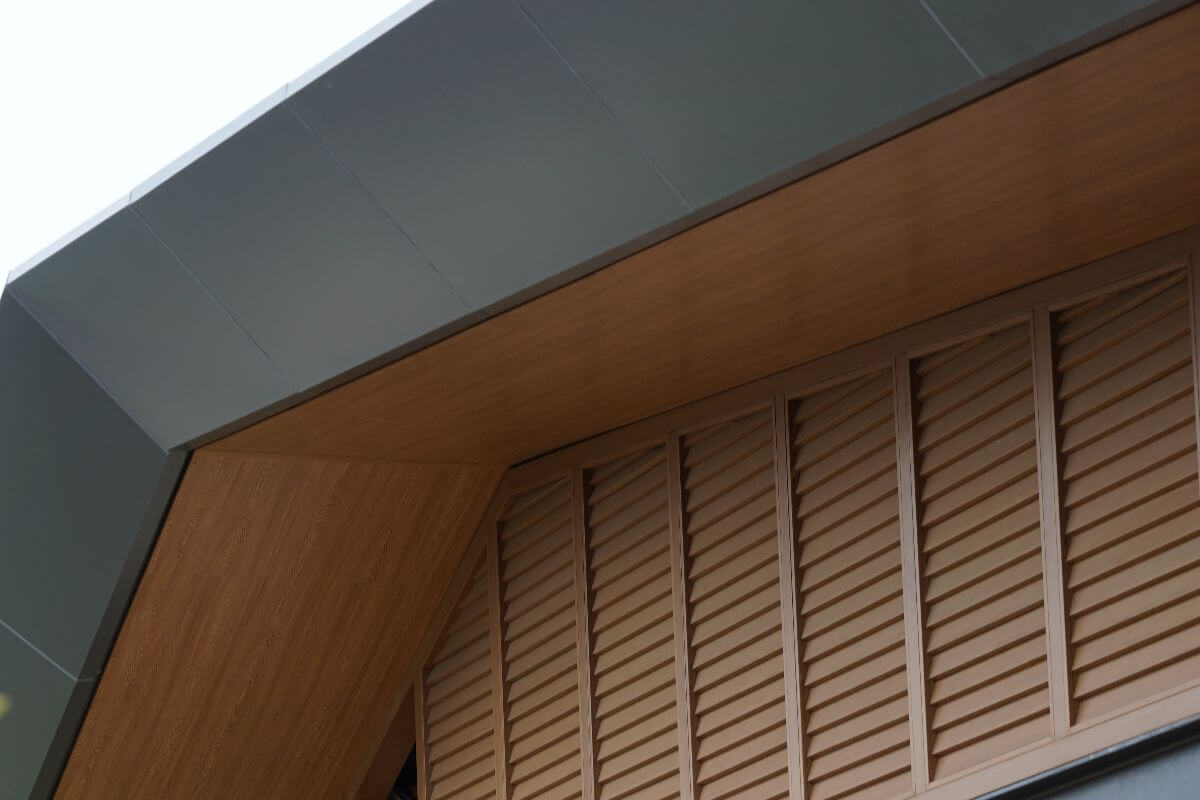
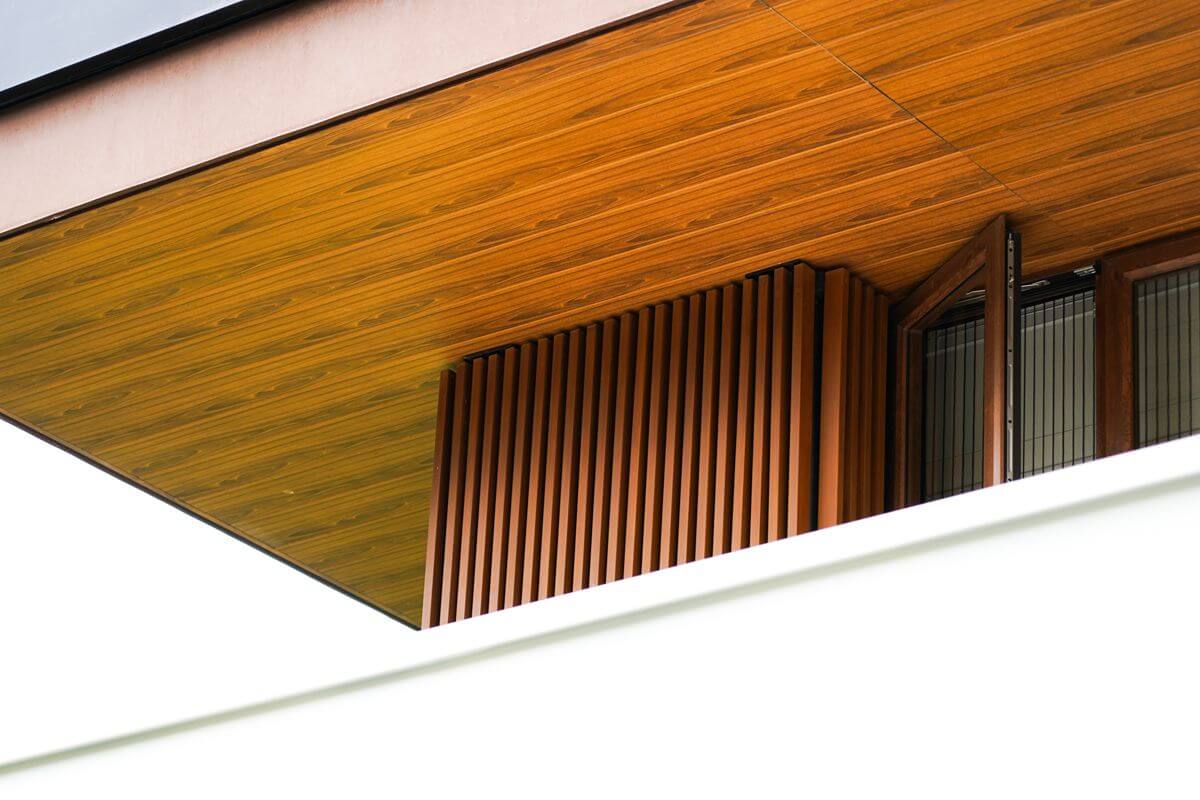
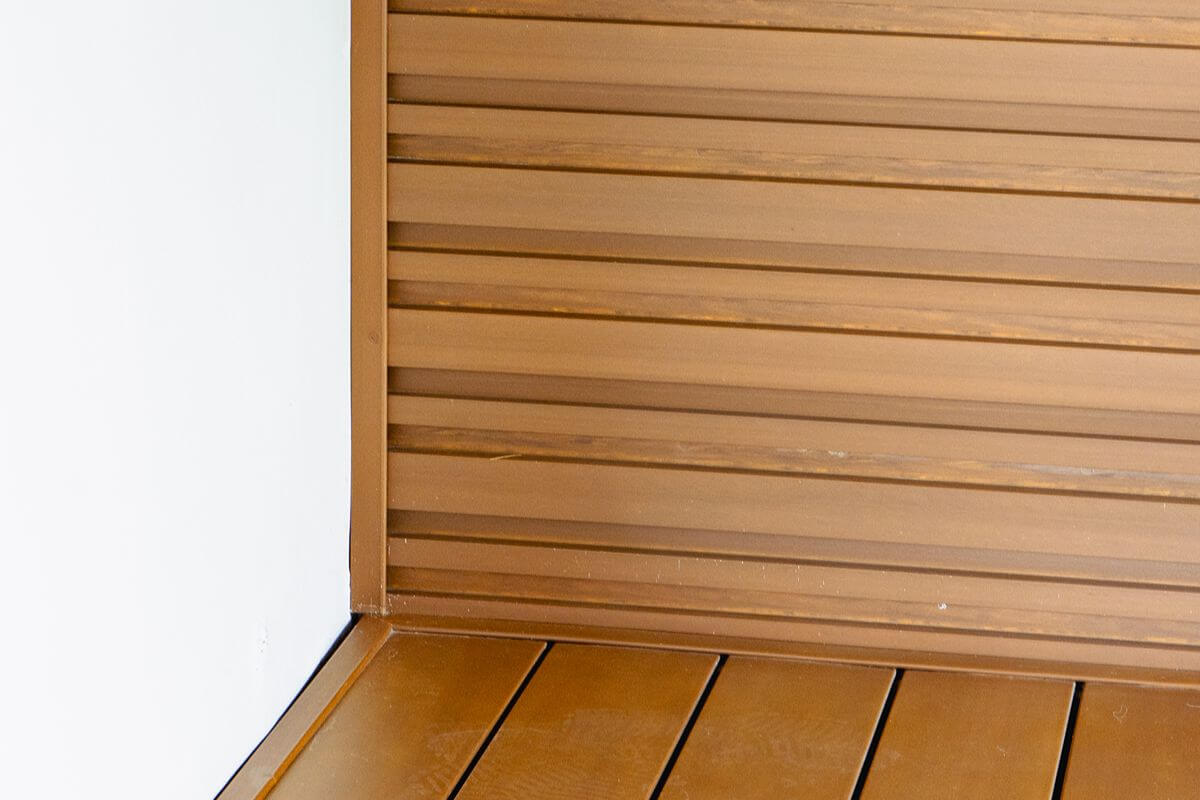
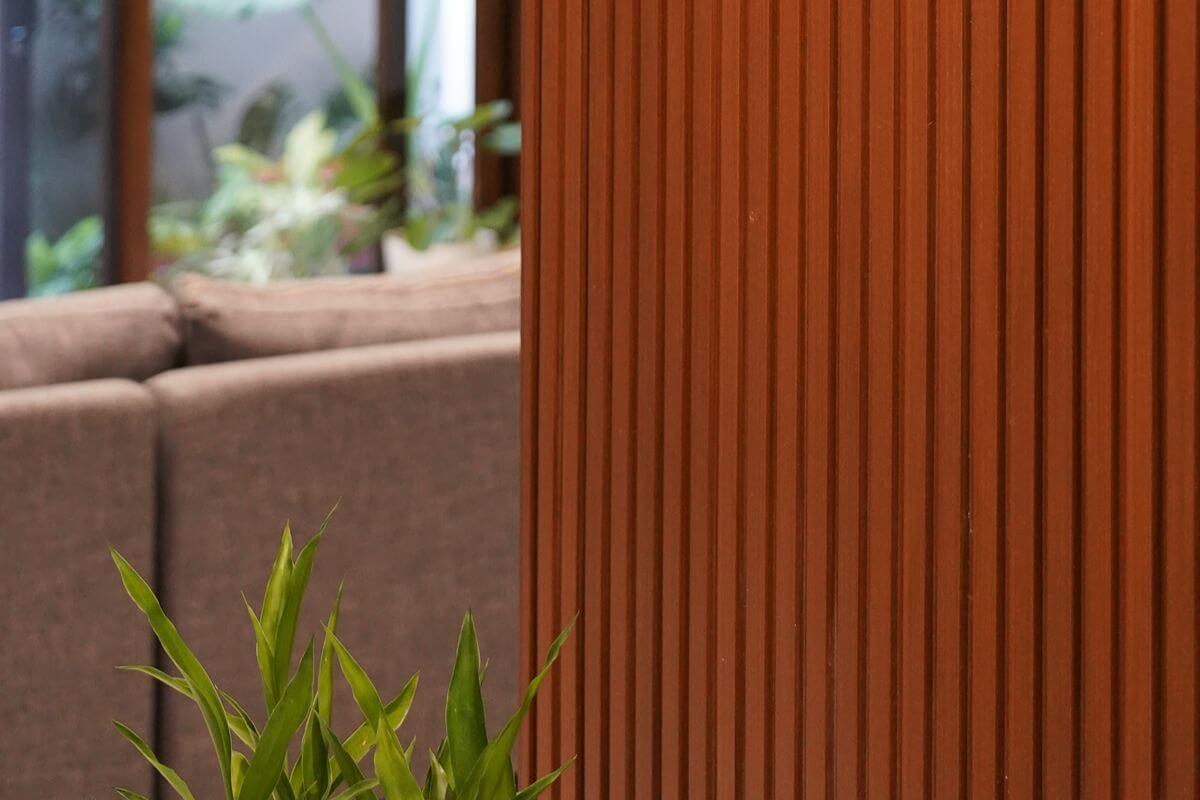
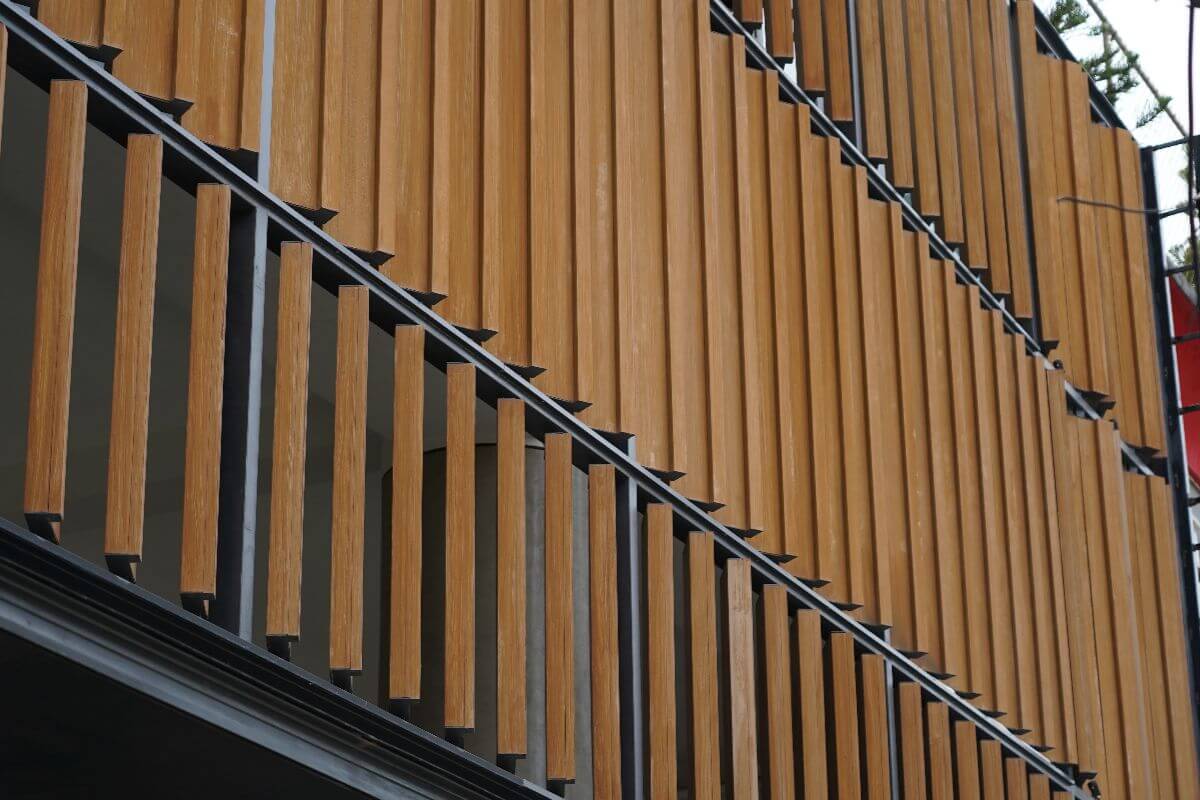
Louver windows, specifically wood louvers by GRM Biowood, are made from eco-friendly wood-plastic composite (WPC) slats that mimic the natural warmth of wood. They are architectural elements made of horizontal or vertical slats that add both functionality and visual character to a space. This window type is widely used in the Philippines because it suits the country’s tropical climate and common architectural design preferences.
Best For
Louver windows work well in areas where the goal is to keep the space breathable and comfortable without fully opening it. They can be used in different parts of the home, such as facades, windows, balconies, patios, and even gate areas, where they add both function and a cleaner architectural look. For commercial spaces, they provide offices with filtered light and ventilation, supporting a polished yet practical environment.
Pros
The biggest advantage of louver windows is control, since slats can be adjusted. With wood louver windows, you can also help reduce heat entering the home while allowing fresh air to move through the space. This can make rooms feel naturally cooler and may lessen the need for constant air conditioning. For homeowners in the Philippines, this supports a more comfortable and energy-conscious living environment.
Cons
Traditional wooden louver windows, in particular, are prone to warping, rot, termite damage, or surface deterioration, especially in humid climates. This is why material selection matters. More resilient options, such as GRM Biowood’s WPC louvers, can help address these concerns by offering a wood-like finish and greater resistance to such common issues.
Sliding Windows
Sliding windows, also known as slider windows, use glass panels that move horizontally along a track. Unlike louver windows with adjustable slats, sliding windows usually have large rectangular panels divided by a center frame, with one side sliding open to the left or right.
Best For
Sliding windows work well in areas where swing-style windows may interfere with furniture, walkways, decks, or other nearby fixtures. They are commonly used in kitchens and bathrooms, especially above sinks or tubs, where easy airflow is needed without clearance issues.
Pros
Their large glass panels allow more natural light into the room while creating wider sightlines to patios, gardens, and surrounding outdoor areas. Since they slide horizontally and do not rely on complex springs or pulleys, they are also simple to open and close with minimal effort.
Cons
The main drawback of sliding windows is their limited control over airflow compared to louver windows. Since one sash usually slides over the other, only about half of the window can open at a time, which may reduce ventilation in spaces that need steady air movement.
Key Considerations for Decision
The better choice between louver windows and sliding windows depends on the space’s needs. Climate, views, privacy, and maintenance should all be considered because these factors affect daily comfort, visual appeal, and long-term performance.
Climate
In hot, humid, or tropical climates like Manila’s, louver windows can promote constant air movement to help reduce stagnant heat and moisture buildup. Sliding windows, on the other hand, may offer less continuous ventilation since only part of the window usually opens at a time.
Views and Aesthetics
Sliding windows are ideal for maximizing outdoor sightlines, while louver windows create a more architectural appearance. The choice depends on whether the space needs a wide, open view or a more textured design feature.
Privacy
For homes that need privacy without fully closing off the space, louver windows can be a practical choice. Their angled slats help reduce direct outside views, while sliding windows usually rely more on window treatments for privacy control.
Maintenance
Maintenance should be considered, as both window types have parts that require regular care. Louver windows require cleaning around the slats, while sliding windows need track and roller maintenance to keep them easy to open and close over time.
Key Takeaway
A well-chosen window system should support the way your home responds to light, air, privacy, and daily use.
For homeowners and renovation firms considering louver windows vs. sliding windows for home upgrades, GRM Biowood offers WPC wood louver solutions that bring natural warmth while helping resist moisture, termites, and surface deterioration.
To explore the right louver solution for your project, contact us today.