Comparing Window Styles: Wood Louvers vs. Jalousies in Tropical Architecture
Overview
- In tropical Philippine homes, window design affects ventilation, comfort, and durability.
- Wood louvers provide fixed airflow, shading, sustainability, and low maintenance, while jalousies offer adjustable slats for flexible light and ventilation control.
- Choosing between them depends on budget, aesthetics, climate exposure, and project priorities in modern residential or commercial architecture.
In the Philippines’ tropical climate, window style significantly affects comfort, ventilation, and durability. Different designs influence airflow, shading, and maintenance, shaping interior performance. While jalousies provide adjustable slats and a familiar look, wood louvers offer natural warmth, stronger durability, and more eco-friendly advantages for modern tropical homes.
To help you determine which is the best fit for your project, here’s a closer look at wood louvers vs jalousies and what each brings to tropical urban projects.
Wood Louvers
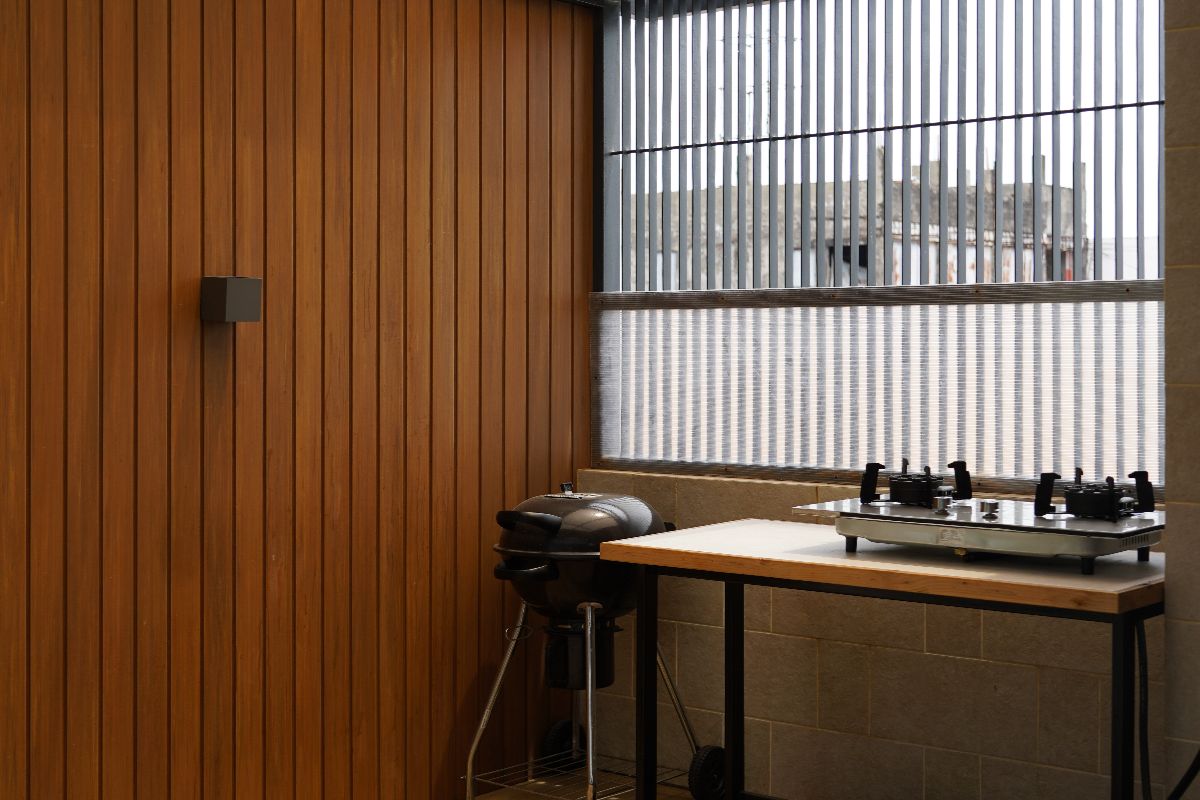
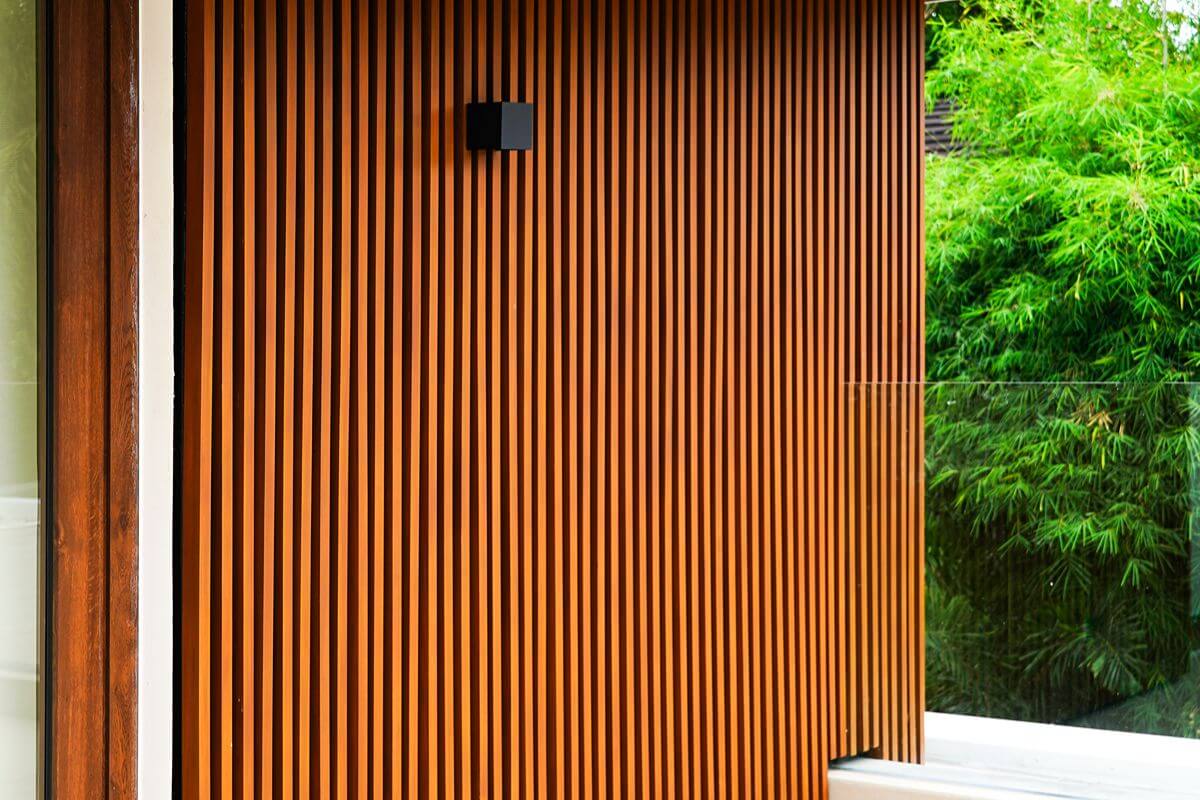
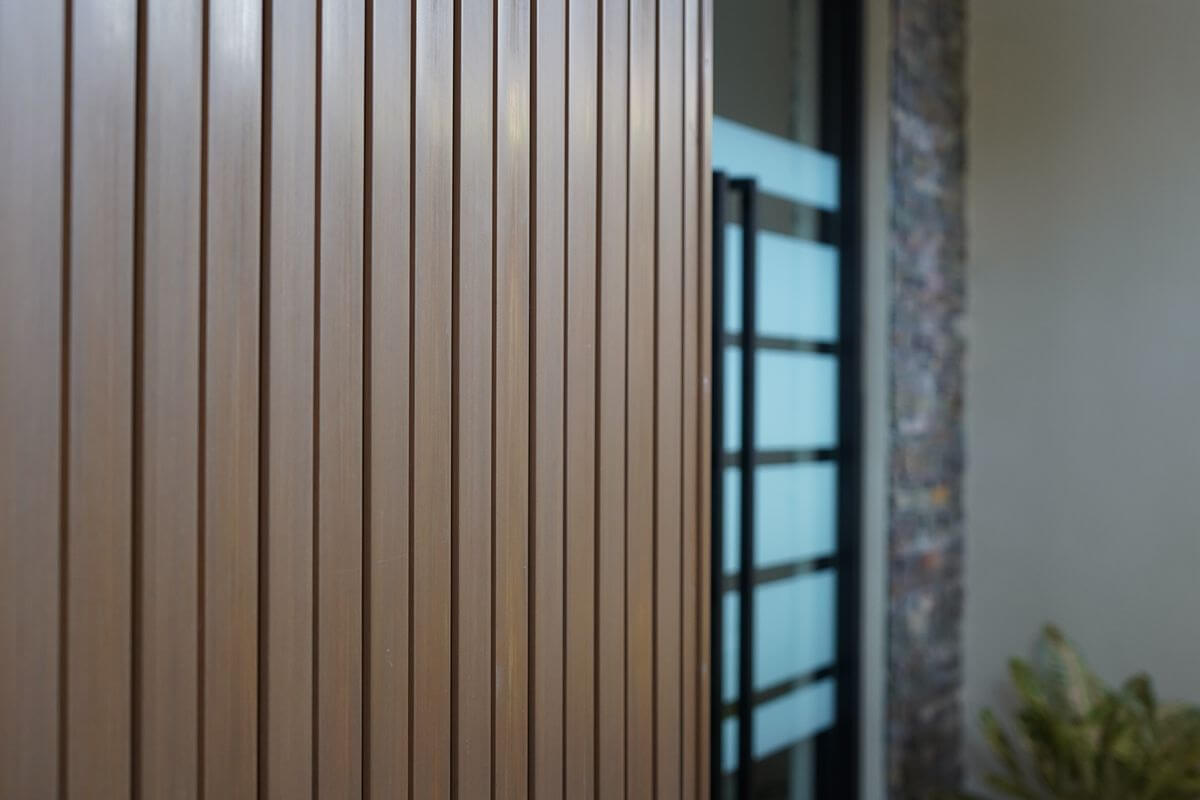
Wood louvers are slatted window systems that balance ventilation, shade, and privacy. In tropical buildings, they combine the natural warmth of wood with durable performance, making them particularly suited to sun-exposed conditions.
Pros
Fixed or semi-adjustable wood louvers promote continuous natural airflow while helping shield interiors from direct rain during habagat monsoons. Modern composite wood materials enhance UV resistance and long-term durability, while protecting against moisture, rot, and termites. With consistent ventilation, these systems can lessen dependence on air conditioning, improving energy efficiency and overall indoor comfort.
Cons
Wood-plastic composite (WPC) louvers may have a higher initial cost than traditional timber or simpler jalousies, which can influence your project budget. Fixed designs, when installed in isolation, cannot close completely, so interiors may still experience exposure to wind-driven rain during storms.
Modern Use
Wood louvers are commonly used in residential and commercial projects that emphasize sustainability and refined aesthetics. They are often integrated into designs that create a seamless transition between indoor and outdoor spaces, enhancing comfort while maintaining a cohesive and visually balanced architectural style.
Jalousies
Jalousies consist of multiple adjustable slats, allowing precise control over light and airflow. They are often applied in designs where flexibility, ventilation, and views are priorities, offering a practical solution for tropical projects requiring adaptability.
Pros
Adjustable slats enable spaces to stay ventilated while maintaining openness. This design allows you to tailor airflow and daylight according to changing conditions, making jalousies particularly practical for spaces that demand both light and natural ventilation.
Cons
Traditional jalousies may be less effective in heavy rain or strong winds, potentially leading to leaks or wear over time. They also offer lower insulation than solid or composite louvers, which can influence energy efficiency in temperature-controlled interiors.
Modern Use
Jalousies are often used in residential and commercial projects where cost, flexibility, and ventilation control are priorities. Although common in older structures, modern architects integrate them into contemporary designs to manage airflow, light, and shading in tropical homes.
Key Comparisons Between These Designs
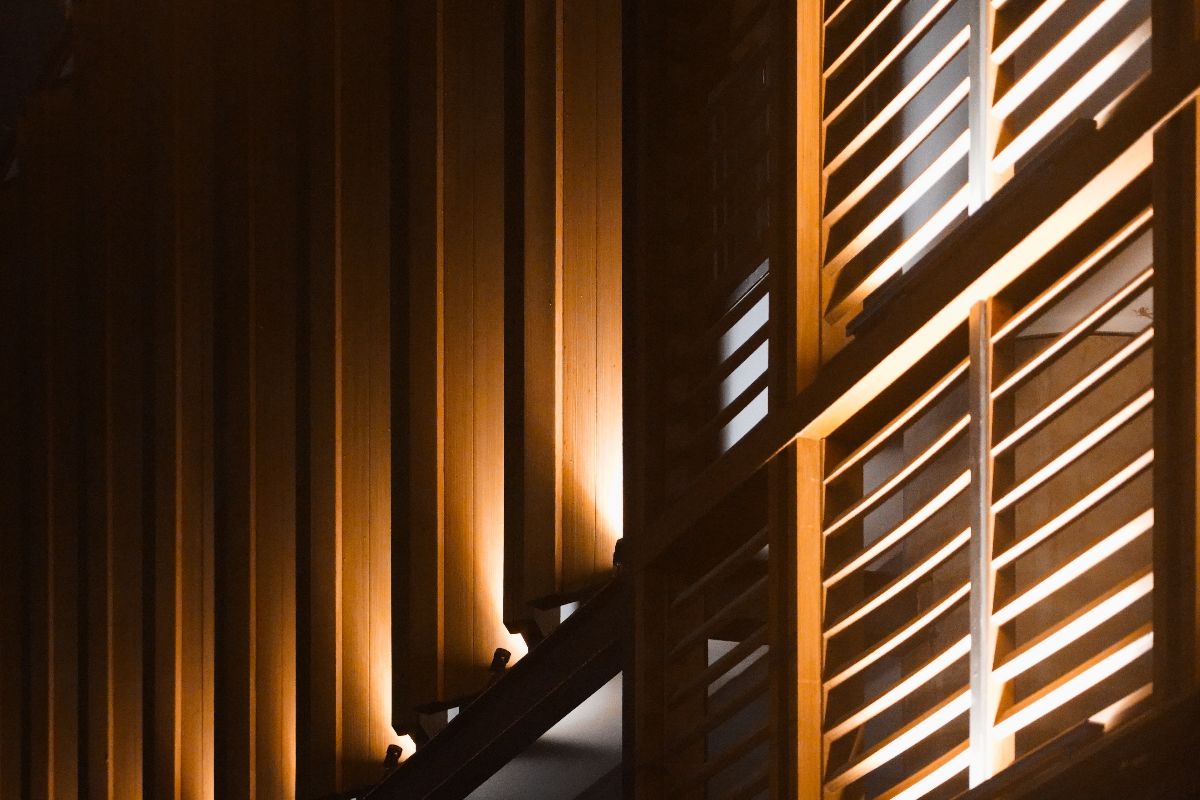
Wood louvers and jalousies are widely used in Philippine architecture but differ in design and performance. Understanding how each responds to tropical conditions helps you choose the most suitable option for your project.
Primary Function
Wood louvers provide fixed ventilation and shading, using angled slats that allow airflow while limiting direct sun and rain penetration. On the other hand, jalousies feature adjustable slats operated in unison, enabling flexible control over ventilation and daylight levels depending on weather conditions.
Operation
With static or manually tilted slats, wood louver systems deliver reliable, continuous airflow. Their straightforward operation supports consistent indoor comfort with minimal maintenance. Jalousies, however, use a crank or lever mechanism to adjust all slats simultaneously, allowing precise but more interactive control of airflow, light, and partial weather protection.
Slat Size
Featuring wider, fixed blades, wood louvers maintain a continuous look and promote consistent airflow through the window assembly. By contrast, jalousies use narrower, overlapping slats that pivot together, providing fine-tuned ventilation control while creating a more segmented visual effect.
Material
Constructed from wood or composite materials, wood louvers—especially WPC options—resist moisture, UV exposure, and decay, offering both longevity and visual warmth for modern tropical homes. Jalousie slats may be made from glass, wood, acrylic, aluminum, or PVC, with material choice influencing both maintenance and aesthetic outcome.
Best Climate
Wood louvers perform well in climates with relatively consistent wind patterns, requiring fewer adjustments for steady airflow and shading. Jalousies are often chosen for warm, humid climates where adjustable airflow and light control are advantageous, especially in spaces needing flexible ventilation during sudden weather changes.
Maintenance
Fixed wood louvers—particularly those made from treated timber or WPC—generally require only dusting or occasional cleaning, resisting rot and termite damage when properly finished. Jalousies, with their moving parts and individual slats, typically require more frequent cleaning and hardware care to maintain effective operation.
Aesthetic
Wood louvers create clean, horizontal planes that integrate seamlessly with modern façades, supporting a cohesive architectural expression. Jalousies present a distinct segmented look, where each adjustable blade remains visually separate, contributing a patterned character suitable for traditional or retro-inspired applications.
Which to Choose?
Deciding between wood louvers and jalousies depends on your project priorities, environmental exposure, and desired balance of aesthetics and performance.
Use Jalousies When
Jalousies are well-suited for spaces where precise control of ventilation and light is essential, such as open-plan living areas or kitchens subject to sudden humidity changes. They are also appropriate when cost-efficiency or visual openness is a priority.
Use Wood Louvers When
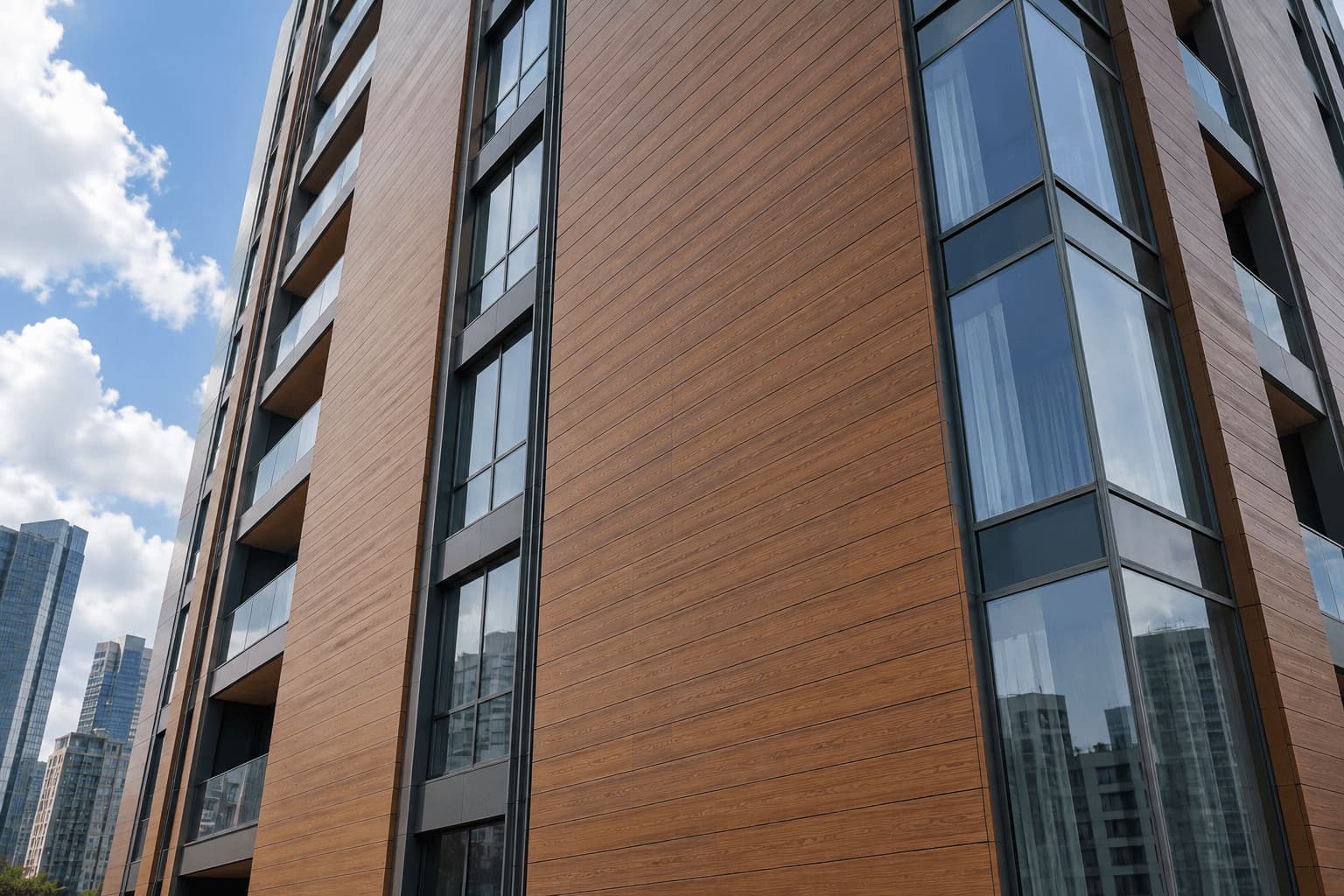
Wood louvers are ideal for projects emphasizing durability, low long-term maintenance, and a cohesive aesthetic. They complement contemporary or eco-conscious architecture, including high-rise or outdoor-integrated designs where minimal intervention is desired.
Key Takeaway
With a better understanding of the differences between wood louvers vs jalousies, you can now find the ideal solution for your builds that balances comfort, durability, and style.
Enhance tropical homes with GRM Biowood’s premium wood louvers. Improve ventilation, natural light, and style while enjoying durable, eco-friendly performance. Contact us today to explore our collection and elevate your home design.