Are Minimalist Wall Cladding Designs More Cost-Efficient?
Overview
- Minimalist wall cladding lowers costs by reducing labor hours, minimizing material waste, and simplifying maintenance.
- While vinyl and aluminum panels offer low-cost alternatives, GRM Biowood’s sustainable Wood Plastic Composite (WPC) claddings provide the best long-term value, delivering clean, minimalist lines and exceptional weather resistance without the expensive upkeep of traditional timber.
Modern architects are increasingly turning to minimalist wall cladding to balance design excellence with budget constraints. This approach offers a highly efficient installation process and a refined, contemporary finish, proving that premium architectural appeal can be delivered at an accessible price point.
If you’re wondering: are minimalist wall cladding designs more cost-efficient? The answer depends on your material choices and whether they complement the build’s durability needs.
At GRM Biowood, we offer high-quality Wood Plastic Composite (WPC) wall claddings that offer the best value for architects prioritizing sustainable design. Let’s explore how minimalist designs help save on project budgets.
How Minimalistic Wall Cladding Saves Costs
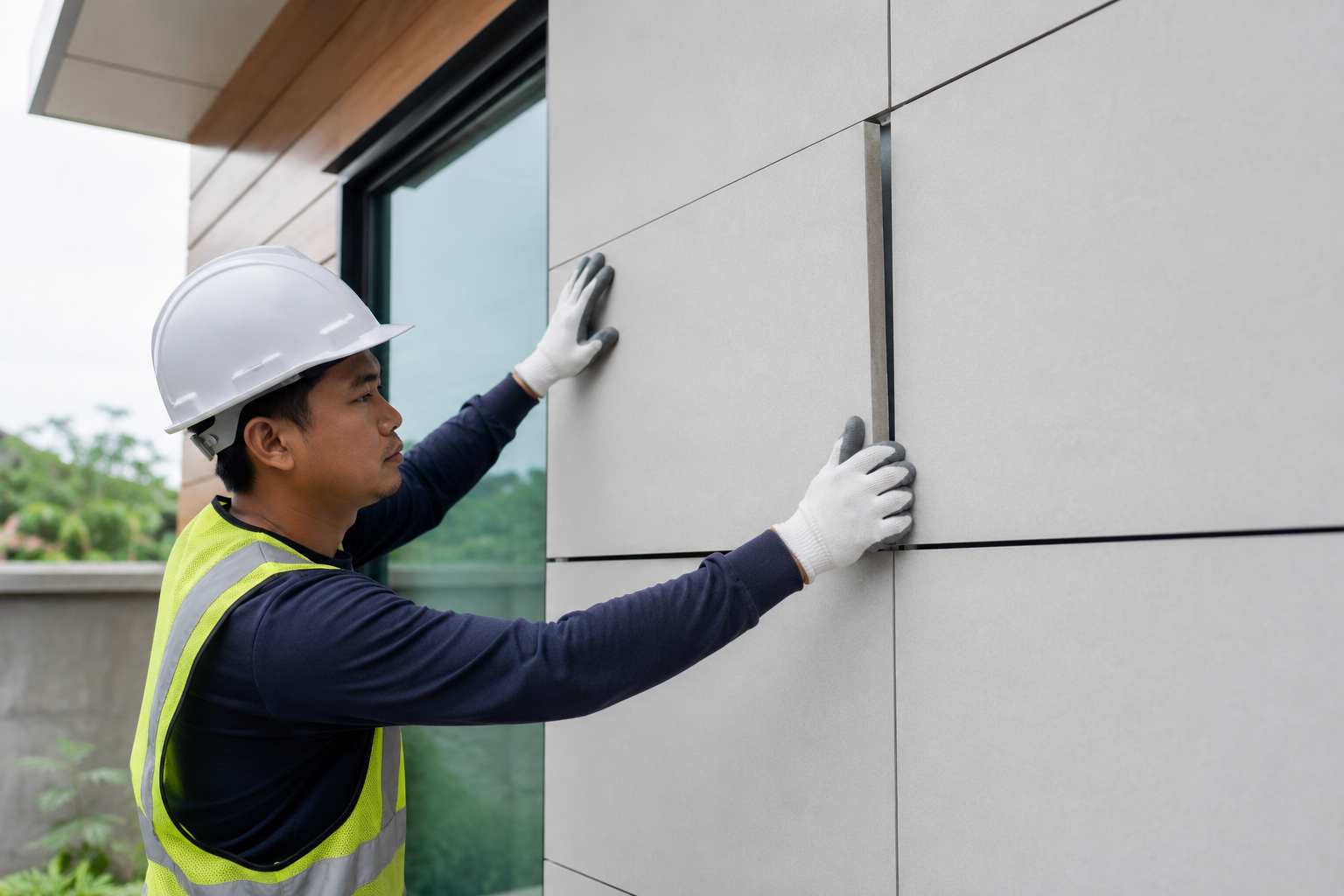
Minimalist wall cladding delivers cost advantages by simplifying construction. When supported by high-performance materials, this restrained architectural approach translates into greater efficiency throughout the installation.
Less Labor
Streamlined cladding layouts require fewer intricate details and custom fabrication, allowing installation to proceed quickly. Clean geometries and consistent panel designs reduce the time required for alignment and finishing, significantly lowering labor costs.
Simplified facade systems also minimize installation errors that lead to expensive rework. For architects managing large-scale developments or multi-building projects, standardized cladding configurations improve consistency, allowing contractors to easily replicate installation methods across multiple elevations.
Less Material Waste
Minimalist architecture naturally promotes more efficient use of materials by eliminating unnecessary façade elements and prioritizing intentional design. Wall cladding systems designed around standardized panel dimensions generate fewer offcuts during fabrication and installation, enabling more of the specified material to contribute directly to the finished façade.
This efficiency supports both project budgets and sustainability objectives. Reducing waste lowers procurement requirements while minimizing disposal costs and environmental impact throughout the construction process. Architects can further improve resource efficiency by coordinating façade dimensions with modular cladding systems, thereby maximizing material use.
Lower Maintenance
Simplified facade designs inherently require less upkeep, as their clean lines prevent the accumulation of dirt and moisture. This ease of maintenance helps buildings preserve their pristine appearance for years.
The ultimate cost advantage arises when clean design meets durable engineering. Systems built to withstand thermal exposure and moisture ingress drastically reduce the need for premature repairs. Consequently, architects can deliver sophisticated, lasting facades while maximizing long-term budget efficiency.
What are Cost-Effective Minimalist Materials For Wall Cladding?
The most cost-effective minimalist wall cladding materials are those that continue delivering value long after installation. Choosing durable, low-maintenance materials helps architects reduce long-term costs while supporting sustainable designs.
Wood Plastic Composite (WPC)
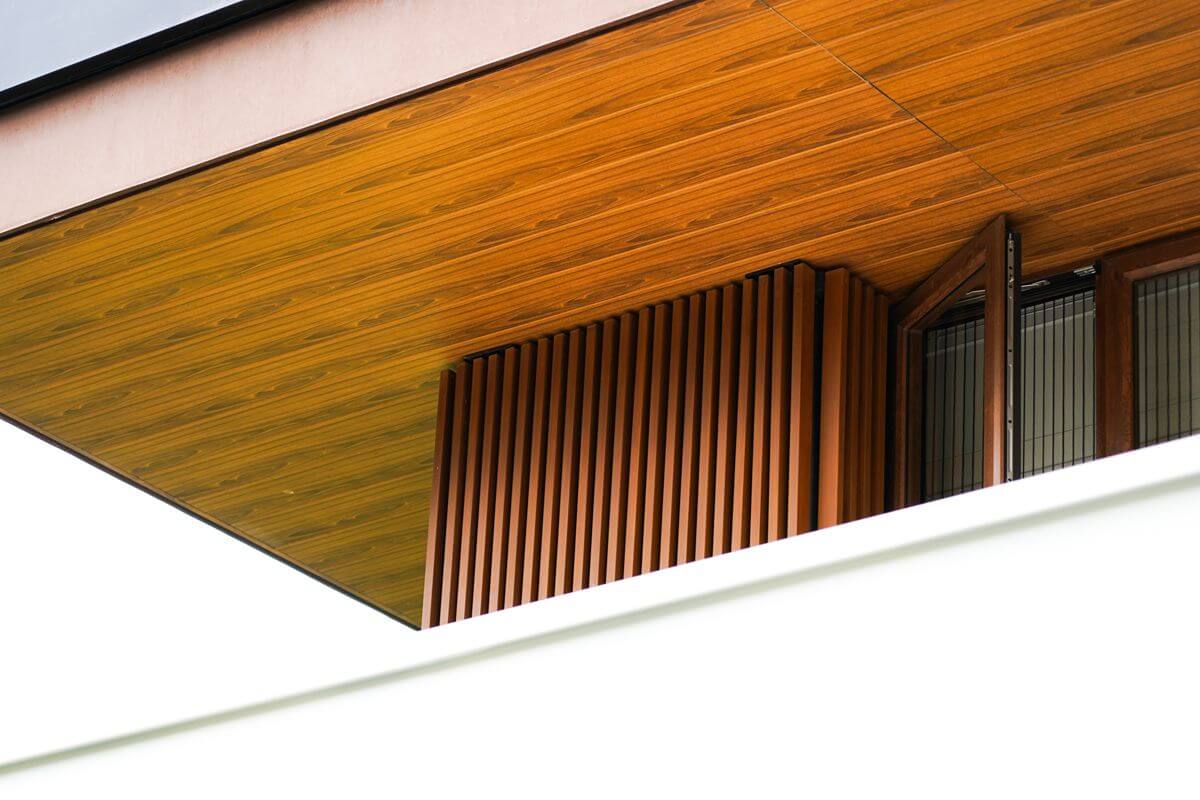
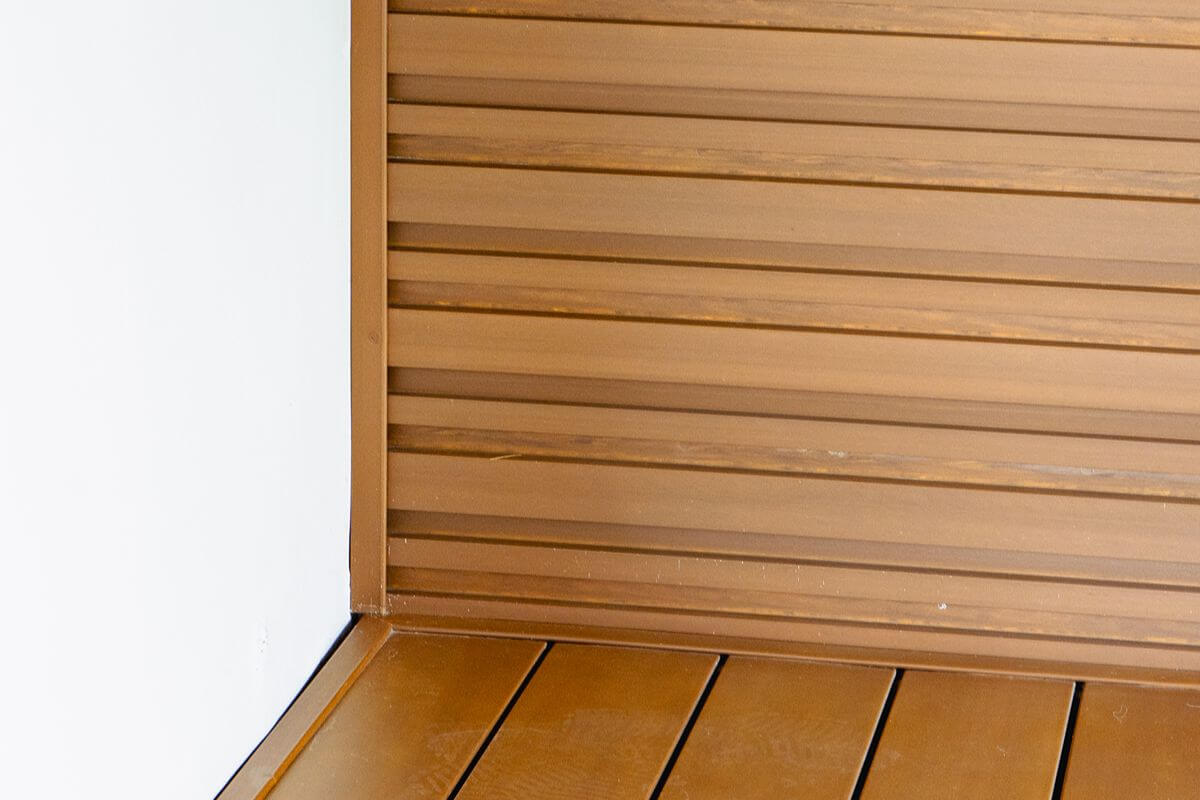
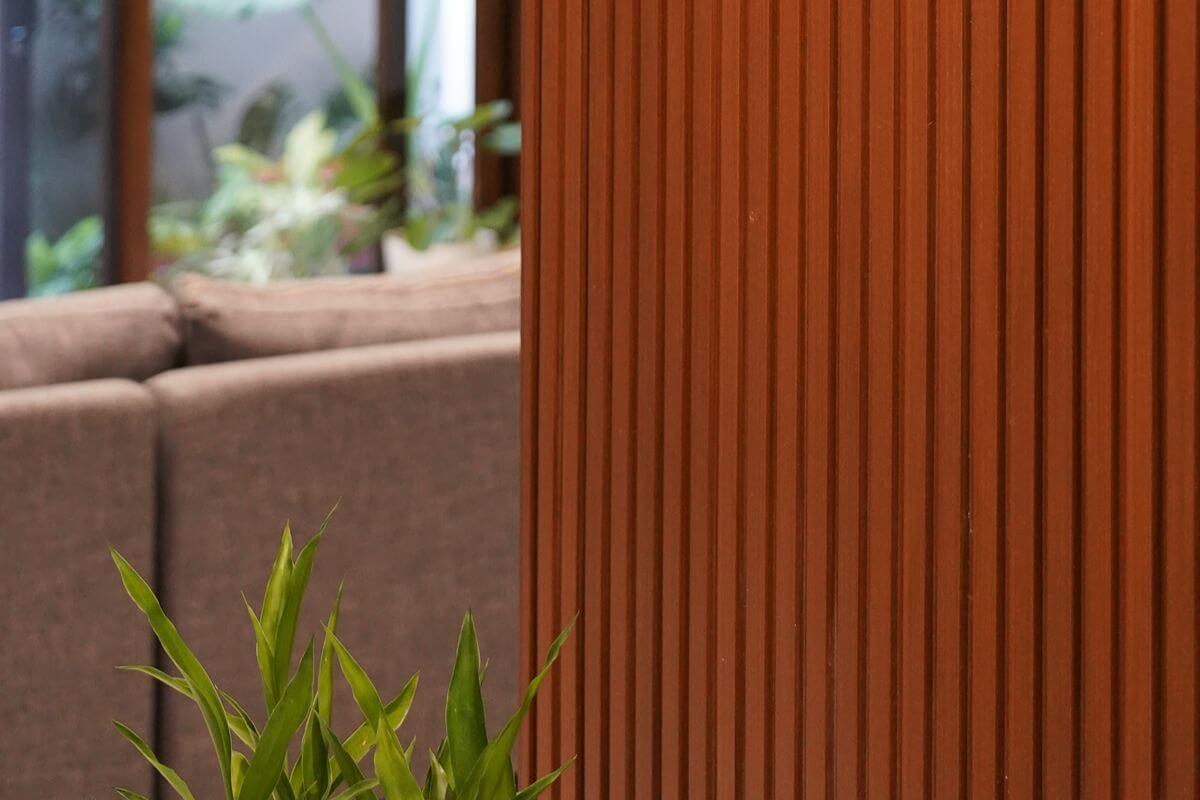
Wood-plastic components allow architects to achieve crisp, shadow-line aesthetics with sleek tongue-and-groove or fluted profiles. These boards provide the clean, uninterrupted lines essential for modern minimalism. Because the panels are moisture- and rot-resistant, they can reliably maintain their structural and visual integrity without warping. This makes them ideal for building both exterior and interior components.
While the initial investment for WPC is higher than most materials, it is much more cost-effective over time than solid wood. WPCs eliminate the need for costly, periodic sealing. Furthermore, using these panels is an eco-conscious choice since they use a high proportion of recycled materials. This ultimately reduces a building’s overall carbon footprint.
Vinyl (PVC)
Architects often specify vinyl cladding when a project calls for a simple, uniform façade at a lower cost. Its interlocking panel system helps create clean visual lines, and because the material is resistant to moisture and termite damage, it can remain in good condition even in humid climates.
This material offers a lightweight facade option that requires significantly less structural support than heavy alternatives like natural stone or brick. While its upfront material and labor costs are low, designers must account for its physical properties. It has a higher coefficient of thermal expansion, meaning panels can warp or buckle if they lack room to move during extreme temperature changes.
Aluminum Composite Panels (ACP)
Aluminum Composite Panels (ACP) are a popular choice for minimalist buildings because they create a modern appearance with smooth and consistent finishes. Their lightweight construction also makes them easier to handle and install, helping improve efficiency during construction.
ACP is resistant to corrosion and weathering, allowing it to maintain its appearance with relatively little maintenance. However, architects should also consider factors such as fire performance and local building requirements when selecting an ACP system, as poorly specified ACPs can pose higher fire risks.
Get WPC Wall Cladding From GRM Biowood
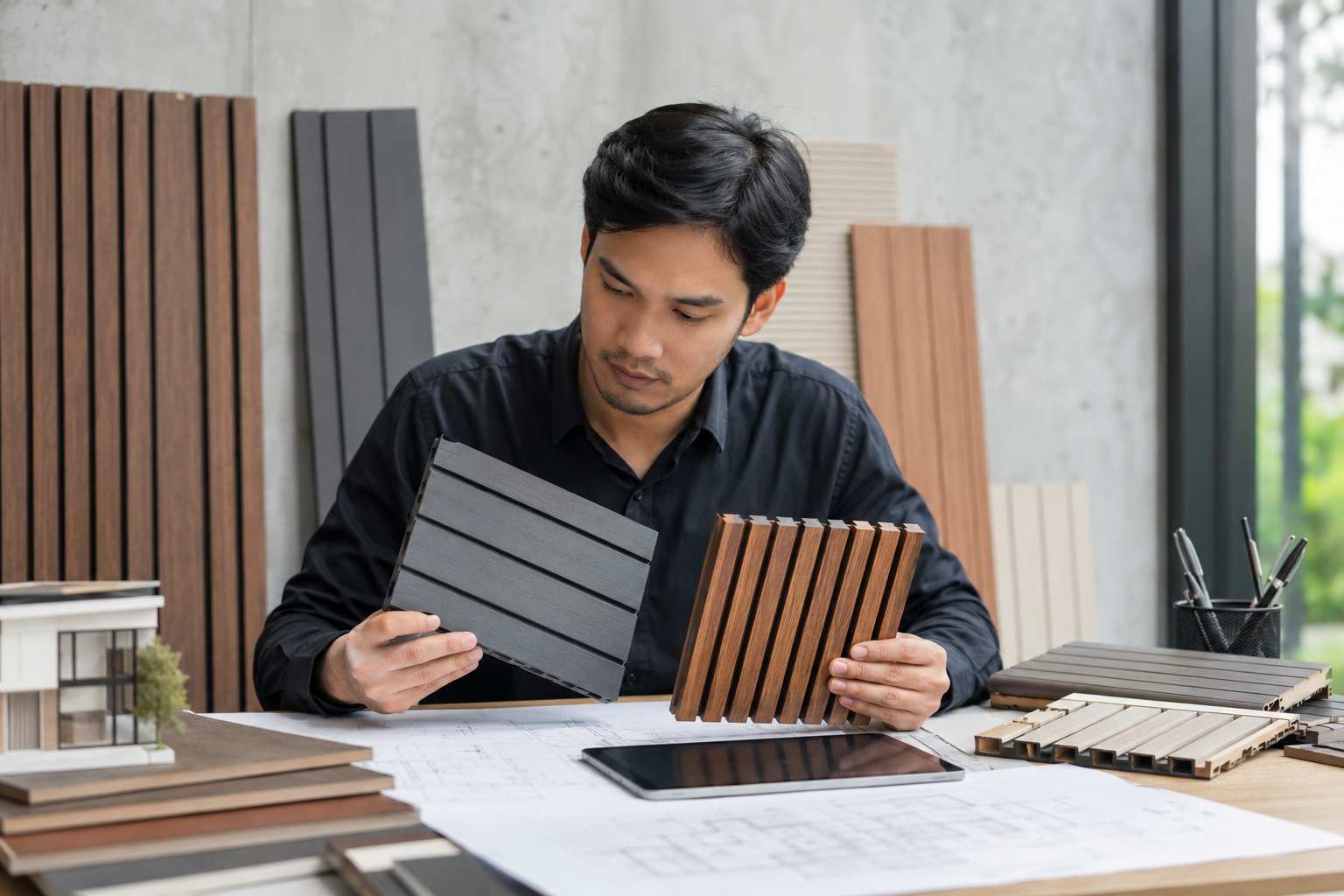
GRM Biowood supplies premium Wood-Plastic Composite (WPC) wall cladding systems engineered for architects seeking materials that deliver enduring performance and a refined aesthetic appeal. Made with sustainable materials, these architectural components showcase exceptional durability and can reliably support eco-friendly initiatives.
Designed to complement contemporary architecture, GRM Biowood’s WPC wall cladding combines the natural appeal of timber with the durability of advanced composite technology. Each cladding panel is manufactured to require significantly less maintenance than traditional timber cladding.
Key Takeaway
Are minimalist wall cladding designs more cost-efficient? Yes, they absolutely can be. With the support and dependable supply capabilities of a trusted WPC wall cladding provider in the Philippines, you can maximize your budget and create outstanding architectural masterpieces using minimalism as your design focus.
GRM Biowood’s premium wall claddings help architects achieve that balance without compromising design intent. Combining the natural appeal of timber with the resilience of advanced composite technology, our cladding systems support contemporary architecture built for lasting performance. Contact us today to discuss the ideal wall cladding solution for your next project.