How Wall Cladding Materials Can Complement Biophilic Workplace Design
How do wall cladding materials complement biophilic workplace design?
- Visual and tactile connections with nature
- Living and preserved green walls
- Evoking organic forms and patterns
- Enhancing sensory comfort
Overview
- Understanding how wall cladding materials complement biophilic workplace design enables specifiers to create human-centered environments.
- Incorporating wood-inspired textures, vertical greenery, organic forms, and sound-absorbing acoustics enhances sensory comfort and well-being.
- Solutions like GRM Biowood combine low-VOC WPC engineering, dimensional stability, and Global GreenTag-certified sustainability to ensure long-term architectural performance.
Modern workspaces prioritize employee well-being alongside daily performance, bringing human-centered environments into focus. When specifiers integrate nature-inspired elements into the built environment, understanding how wall cladding materials complement biophilic workplace design becomes essential.
Cladding does more than finish a surface. It defines spatial character, provides tactile warmth, and supports indoor environmental quality. For developers and design teams, selecting the right wall cladding ensures interiors maintain their aesthetic intent, sustainability goals, and structural performance under years of daily commercial occupancy.
Visual and Tactile Connections with Nature
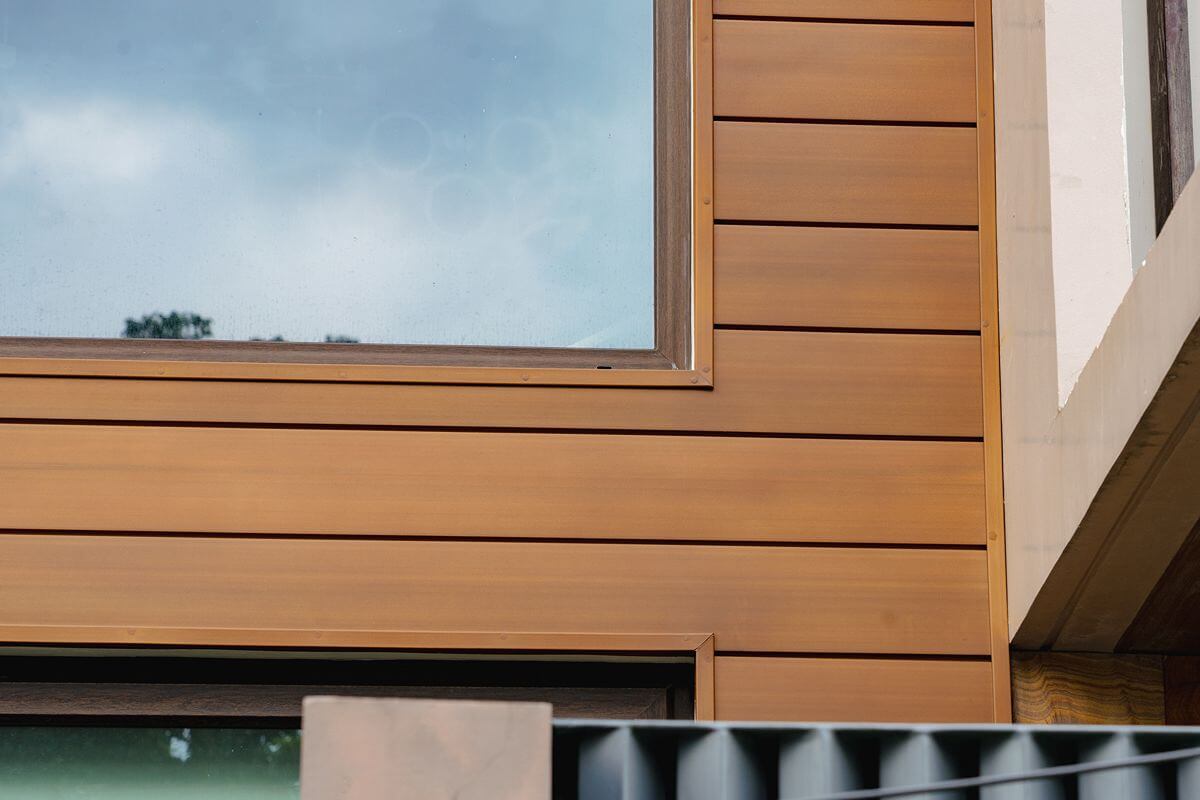
Biophilic design extends beyond plant integration to encompass surrounding wall surfaces. Specifying wood cladding introduces natural grain and organic warmth, whereas stone and brick veneers provide structural depth through irregular textures. Applied across expansive feature walls, these natural finishes break up visual uniformity and create deliberate, grounding commercial interiors.
Living and Preserved Green Walls
Green walls introduce natural vitality into structured office environments. Living plant systems provide dynamic, evolving greenery, whereas preserved moss and flora offer low-maintenance aesthetic alternatives. Vertical cladding systems maximize unassigned wall area across lounges, reception zones, and circulation paths without compromising usable floor space or employee mobility.
Evoking Organic Forms and Patterns
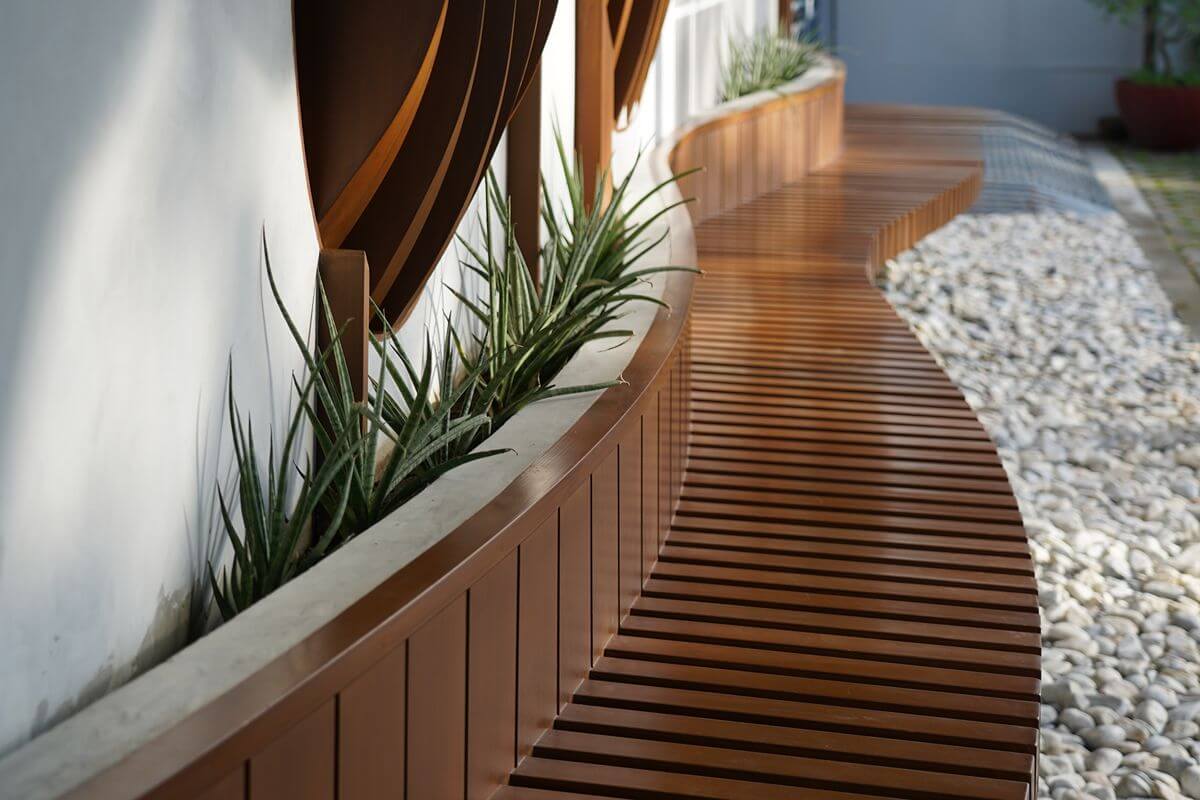
Incorporating curved wall panels inspired by natural contours introduces organic geometry to commercial interiors. These textured surfaces soften rigid structural lines across high-footprint areas like corridors, pantries, and lounges. Positioned near natural light sources, layered cladding replicates komorebi—sunlight filtering through trees—by generating dynamic highlight and shadow shifts that evolve throughout the workday.
Enhancing Sensory Comfort
Unmanaged noise and poor indoor air degrade workplace focus. Perforated timber cladding absorbs acoustic energy and dampens ambient noise across multi-use open plans. Furthermore, specifying low-emitting materials protects indoor environmental quality. Biowood Wood Plastic Composite (WPC) combines reconstituted timber with documented low-VOC performance, providing a sustainable, clean cladding solution for well-ventilated corporate interiors.
How Biowood Complements Biophilic Workspaces
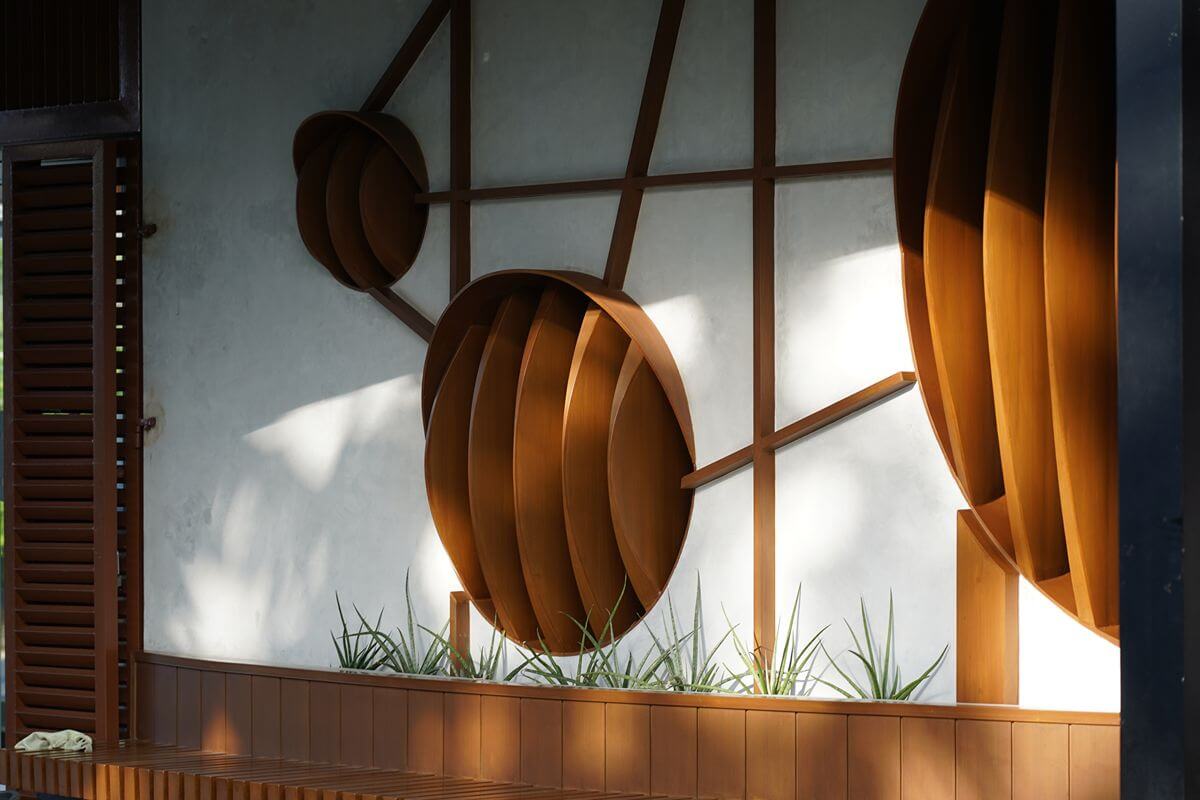
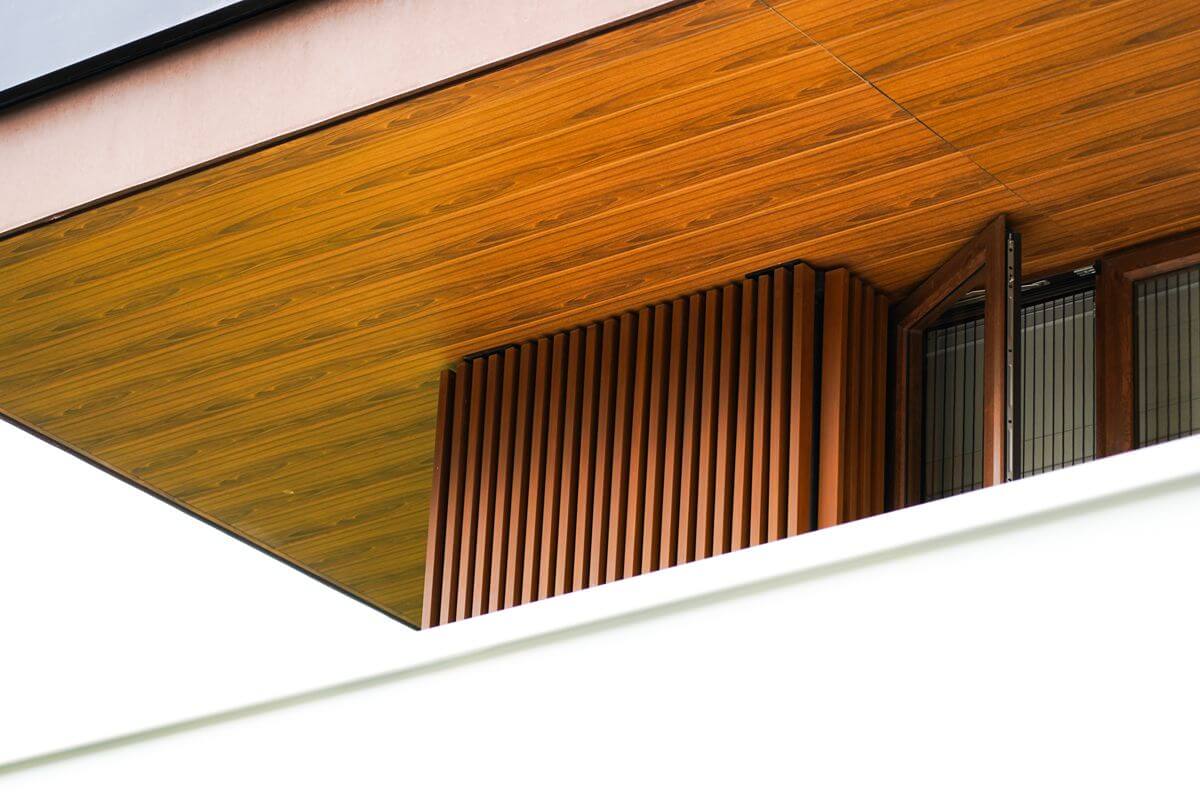
Biowood gives designers a wood-inspired architectural finish that fits naturally into workplaces built around comfort, connection, and responsible material choices. Its value becomes clearer when you consider the material as part of the overall workplace experience, not just a decorative finish.
Psychological Comfort
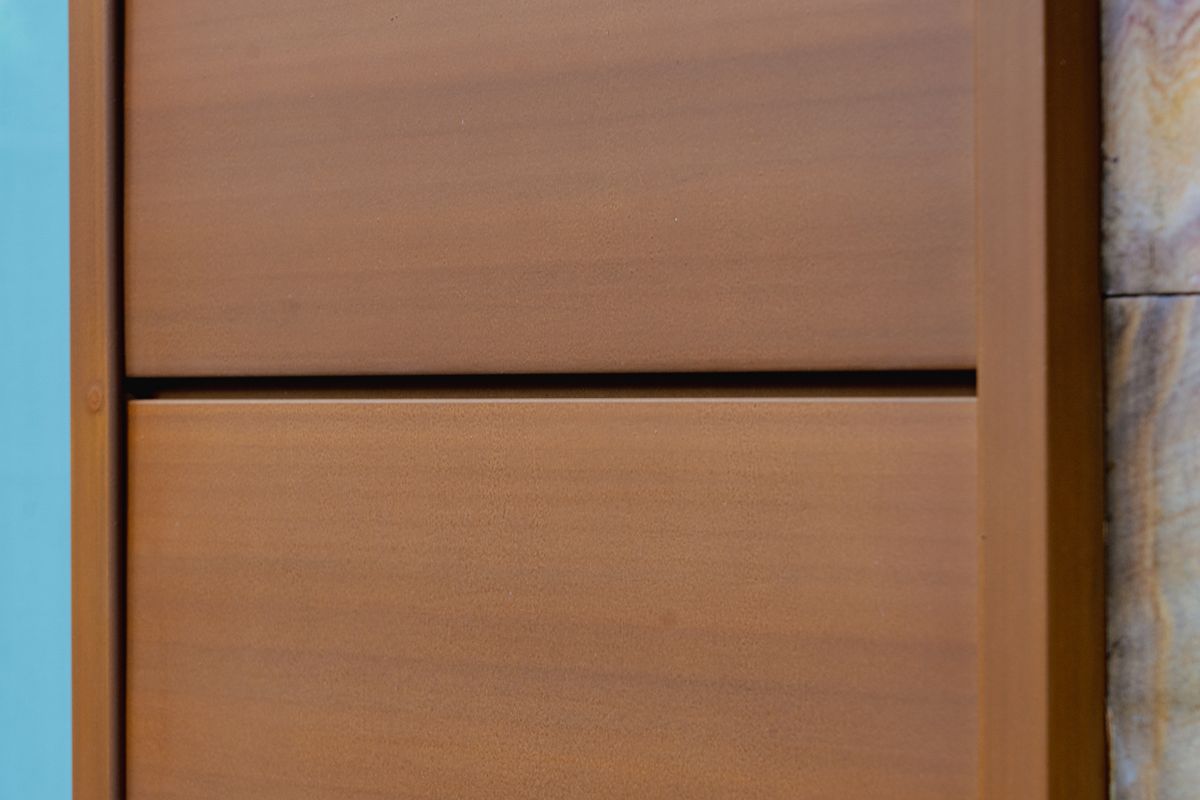
Workdays involve long periods of concentration and constant screen time, so the surrounding environment influences how people feel throughout the day. Studies associate exposure to natural elements with lower stress and a calmer state of mind. Biowood’s wood-inspired grain and organic surface character introduce subtle natural details without overwhelming the space. Used across work zones, lounges, or shared areas, these qualities help create an interior that feels less sterile and more grounded.
Longevity & Structural Hygiene
A biophilic workspace should still look intentional years after opening. Indoor walls face changing humidity, air-conditioning, moisture, and regular cleaning. Materials that warp, split, or deteriorate eventually lead to repairs and replacements that disrupt an active workplace. WPC composition provides greater dimensional stability than raw timber, while its low water absorption helps limit conditions that support mold and mildew. Its resistance to bacterial growth and chemical exposure also suits spaces that require frequent cleaning. This cladding supports a cleaner, more durable interior without demanding constant attention.
True Alignment with Sustainability Goals
A natural-looking finish is not automatically sustainable. Material sourcing matters. GRM gives industrial wood waste and recycled polymers another purpose in architectural applications, reducing reliance on newly harvested timber. That approach fits projects with clear resource-efficiency goals while preserving the wood-inspired character expected in an interior. Global GreenTag accreditation also provides documented environmental credentials to support specification decisions. Sustainability becomes part of the material decision, not an idea added after the design is complete.
Support Workplace Productivity With GRM Biowood Biophilic Design
A productive workplace needs more than an attractive interior. It needs materials that support comfort, durability, and the experience of the people using the space every day.
GRM Biowood brings these considerations together through architectural wall cladding suited to biophilic workplace design. Its wood-inspired character strengthens the connection with natural materials while its practical performance supports long-term use. For projects where workplace experience matters as much as appearance, the material choice deserves serious attention.
Key Takeaway
Biophilic workplace design is not simply about adding plants. Understanding how wall cladding materials complement biophilic workplace design means looking at how wall materials shape the atmosphere, sensory comfort, and environmental direction of the space.
GRM Biowood offers a practical way to bring this character into the workplace while supporting long-term performance and sustainability. Contact us today to explore wall cladding solutions for your next workplace project.