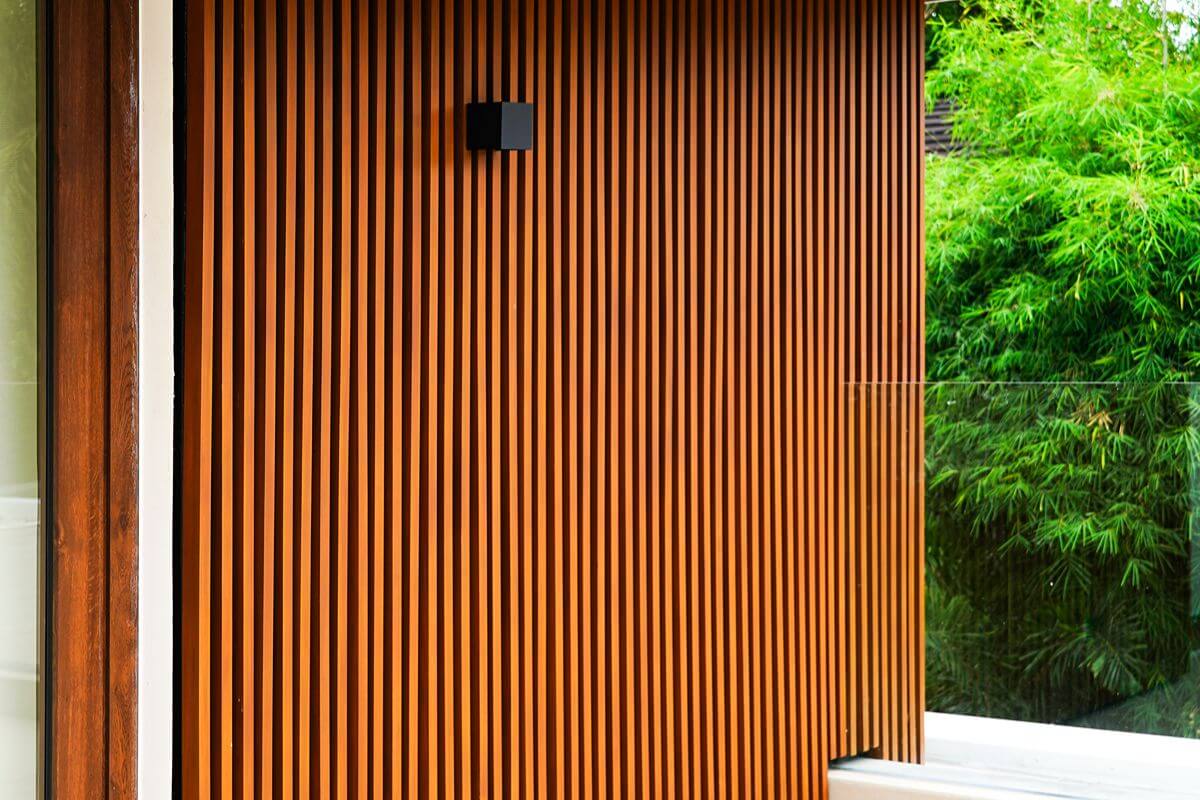
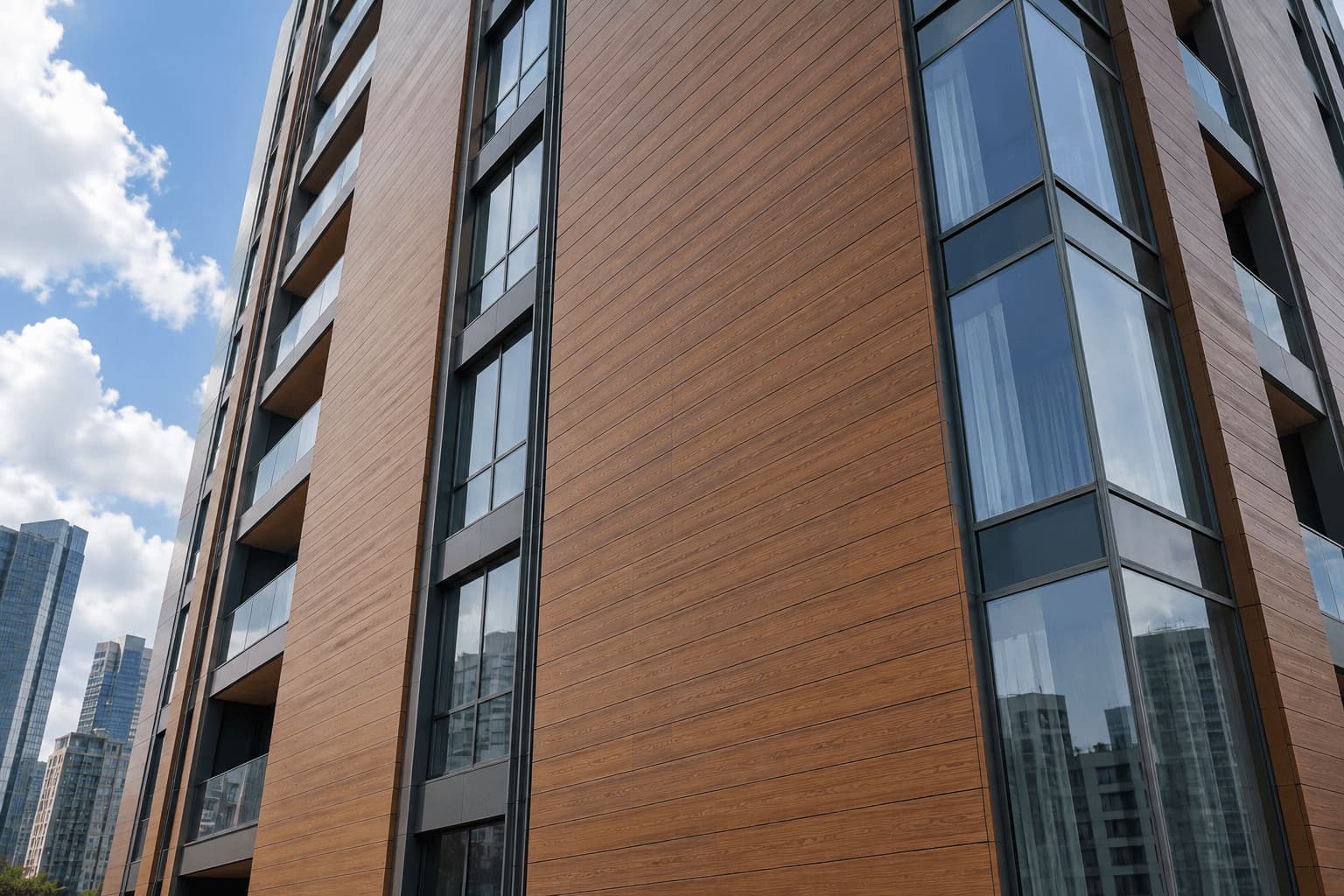
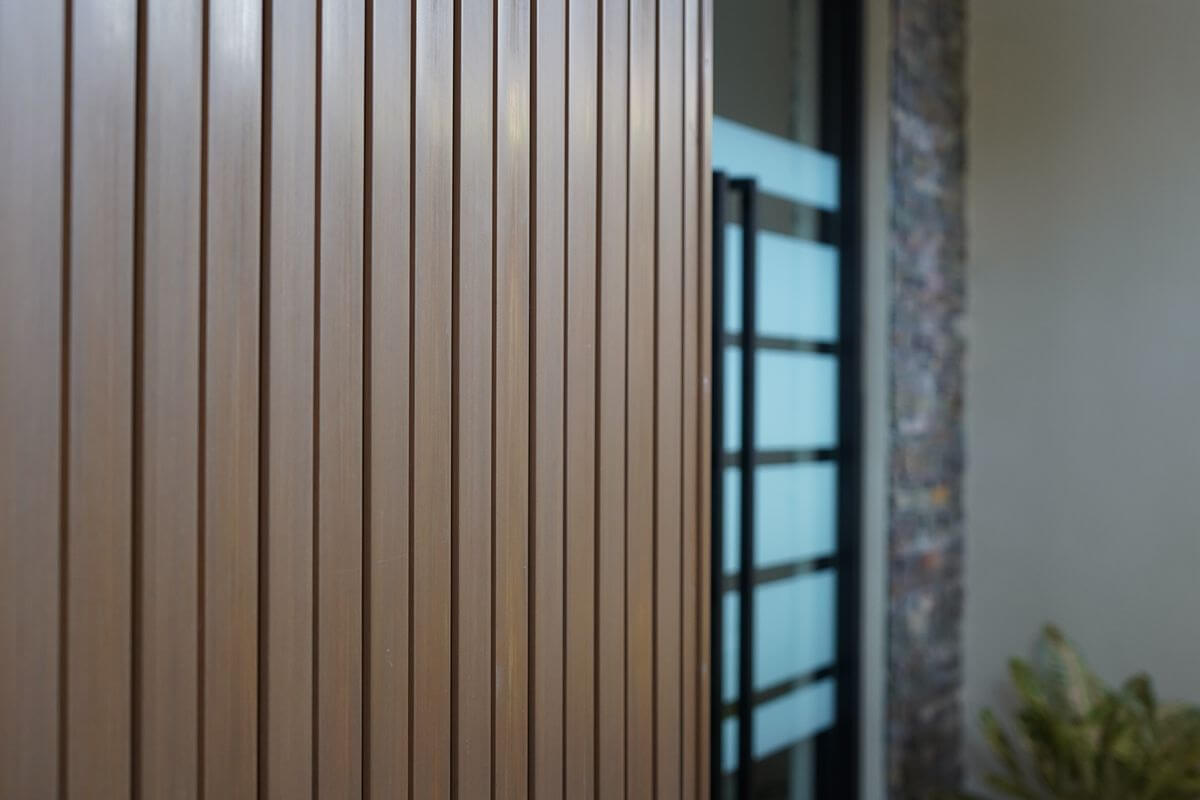
5 Ways Wall Cladding Protects Your Home From Mold Growth
What are the different ways wall cladding protects your home from mold growth?
- Sheds bulk rainwater
- Creates a rainscreen drainage gap
- Prevents interior condensation
- Enhances wall ventilation
- Shields against vapor migration
Overview
- Wall cladding protects Philippine homes from extreme humidity and mold by shedding rainwater, utilizing a rainscreen drainage gap, and preventing interior condensation.
- Through continuous ventilation and regulated vapor migration, it keeps building envelopes dry.
- GRM Biowood offers premium, low-maintenance WPC systems designed to secure long-term structural integrity and aesthetic value.
High-end Philippine homes face extreme humidity and rainfall that often push exterior materials beyond their limits, leading to frequent damage and mold growth. Consequently, many homeowners now rely on wall cladding systems to prevent these issues and protect their building envelopes.
There are many ways wall cladding protects your home from mold growth. Since mold issues often originate within wall systems, wall cladding can serve as a controlled barrier that protects your structures from water exposure. Let’s discuss how these solutions protect more than just your home’s aesthetic value.
Sheds Bulk Rainwater
Rainwater only needs to remain in contact with exterior walls long enough to find vulnerable entry points. Exterior wall cladding serves as the building’s first protective layer, intercepting wind-driven rain and directing it away from the structural wall before moisture can seep into porous materials. This greatly reduces the amount of water that reaches the parts of the home where mold typically develops.
Effective cladding relies on proper architectural design, not just surface coverage. Engineered overlaps and drainage details must channel water downward to prevent pooling at critical intersections. Minimizing moisture exposure keeps the underlying wall dry, preserving the home’s structural integrity and protecting premium exterior finishes.
Creates a Rainscreen Drainage Gap
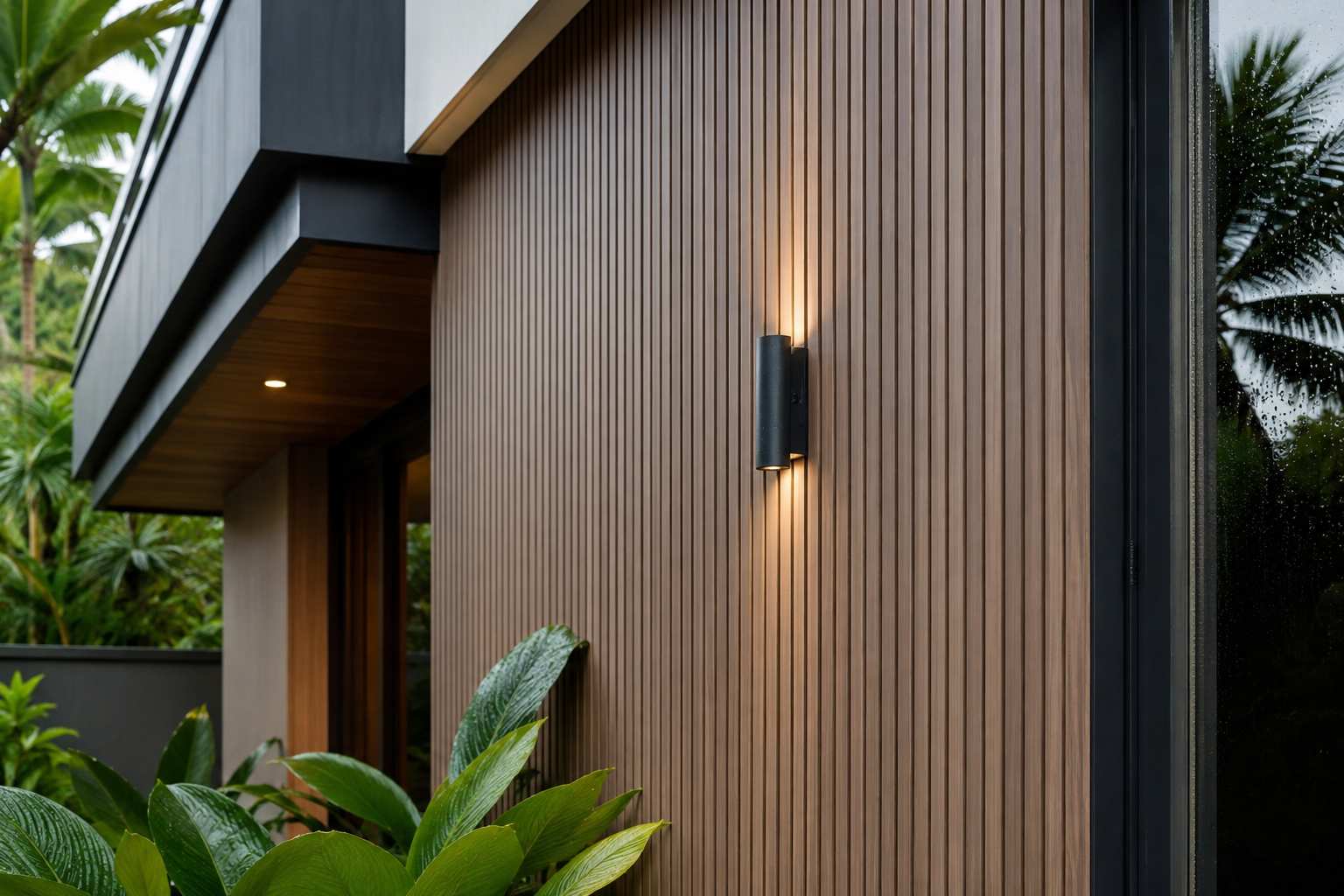
Wall claddings have effective moisture-control features that most homeowners never see, and that is the rainscreen drainage gap. This creates a narrow cavity between the cladding and the structural wall, allowing the exterior to function as a ventilated system. Even if rainwater passes through the outer layer during severe rain, it has a designated path to drain away rather than get trapped inside the wall.
This simple gap also changes how the entire wall responds to the Philippines’ climate. Continuous airflow helps residual moisture evaporate much faster than it would in a tightly sealed assembly. This greatly reduces the damp conditions that allow mold to spread.
Prevents Interior Condensation
A well-designed wall cladding system helps prevent interior condensation by reducing temperature differences and keeping wall assemblies more thermally stable. When exterior wall layers remain at similar temperatures, water vapor is less likely to condense into liquid within concealed spaces where moisture accumulates.
This becomes especially valuable in air-conditioned homes, where warm, humid outdoor air regularly comes into contact with cooler wall surfaces. By minimizing hidden condensation, the cladding helps protect insulation and interior finishes from long-term moisture exposure. This also eliminates the common conditions that allow mold to develop behind walls.
Enhances Wall Ventilation
Continuous airflow behind the exterior surface keeps wall assemblies drier by allowing residual moisture to evaporate. Ventilated cladding systems create an air cavity that promotes natural ventilation, helping to remove moisture left behind by everyday environmental exposure. By reducing the time moisture remains in the wall, the system makes it much harder for mold to grow.
Drying is just as important as preventing water intrusion. Consistent ventilation prevents damp pockets from forming behind the façade while reducing unnecessary stress on exterior materials. This contributes to a healthier building envelope that performs more reliably throughout long wet seasons.
Shields Against Vapor Migration
Limiting the movement of water vapor through exterior walls helps keep hidden building components sufficiently dry to prevent mold growth. A properly designed cladding system works with weather-resistant barriers to regulate moisture movement through the exterior, preventing excessive vapor from reaching concealed areas. This creates a more stable moisture balance that protects parts of the home where mold often grows.
Unlike rainwater, water vapor migrates through building materials as indoor and outdoor temperatures shift. Unmanaged vapor can condense on cooler internal surfaces, creating hidden dampness. The cladding system helps maintain a drier, healthier wall assembly year-round by allowing excess moisture to escape while blocking unwanted vapor intrusion.
Where to Get Protective Wall Cladding For Rainy Seasons in the Philippines
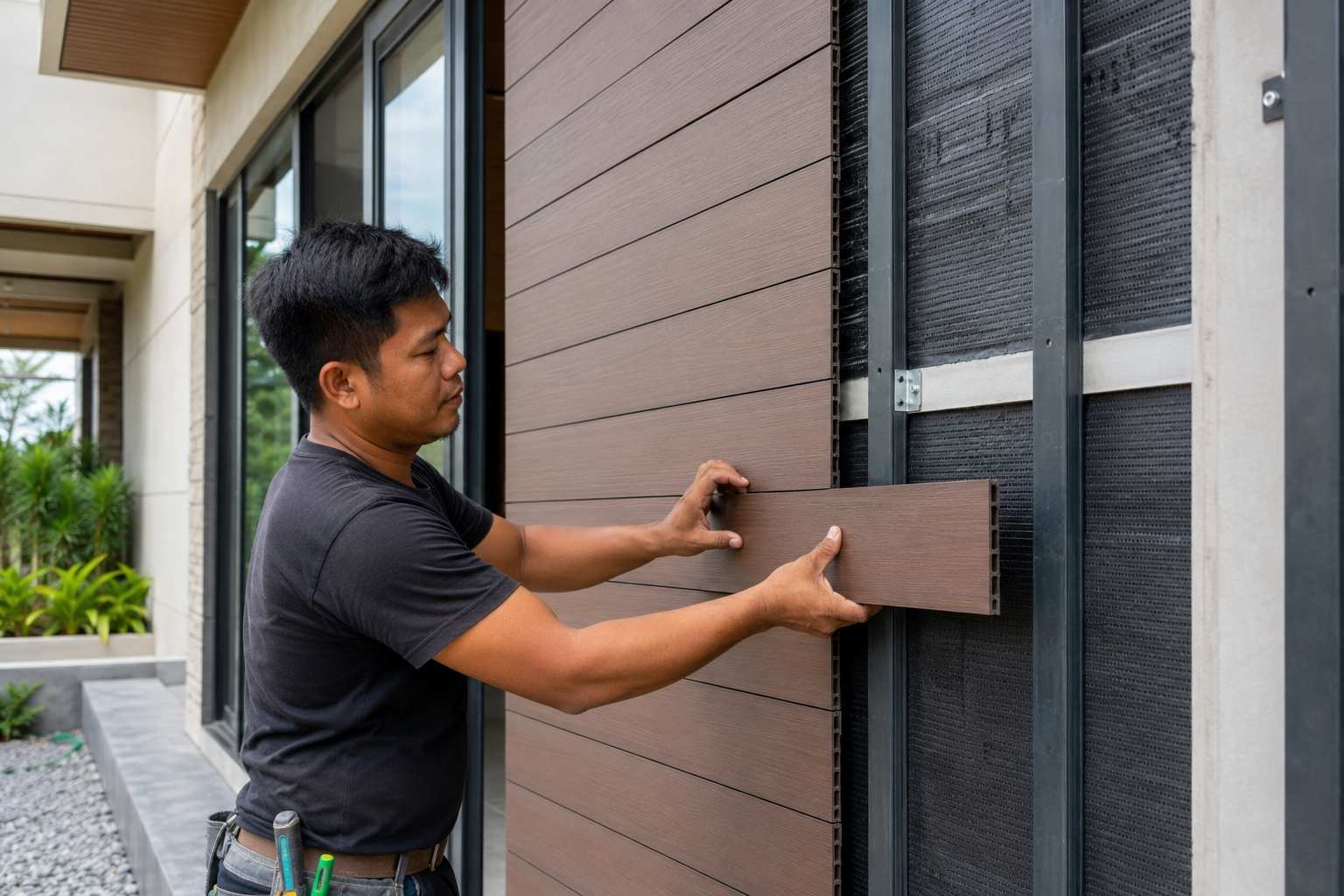
If you’re looking for wall cladding that can withstand the Philippines’ rainy and humid climate, GRM Biowood offers a reliable solution engineered for long-term exterior performance. Our wood-plastic composite (WPC) wall cladding is designed to resist moisture and maintain structural stability even with prolonged exposure to harsh weather.
We also provide a complete cladding system supported by a wide selection of profiles, finishes, and installation components to suit different architectural styles and project requirements. From product selection to technical guidance, our team helps homeowners choose solutions that meet their need for both aesthetics and lasting performance.
Key Takeaway
Knowing the ways wall cladding protects your home from mold growth helps homeowners evaluate exterior materials based on long-term performance. A well-designed wall cladding system manages moisture through multiple protective mechanisms and, with the right material selection, helps preserve the structural integrity and longevity of high-end residential properties.
GRM Biowood offers premium WPC wall cladding that provides exceptional moisture resistance and durability in harsh weather over the years. Our systems ensure long-term performance and high-end aesthetics for Philippine homes. Contact us today to find the right cladding system for your property.