Where to Install WPC Wall Cladding for Maximum Durability
Overview
- Strategic placement and proper installation of WPC wall cladding enhance durability across exterior facades, humid interiors, outdoor structures, and high-traffic spaces.
- Selecting suitable materials and ensuring ventilation, support, and weather resistance helps reduce maintenance, prevent damage, and maintain long-term performance, making WPC a reliable solution for diverse environments in the Philippines.
Environmental exposure can significantly affect the performance of wall cladding, with factors such as heat, moisture, and daily wear contributing to gradual deterioration over time. Knowing where to install WPC wall cladding for maximum durability is essential to protecting both its aesthetics and structural integrity.
Proper placement and installation help extend panel lifespan, reduce maintenance, and ensure reliable performance in demanding conditions. This article outlines key methods and location considerations to support long-lasting WPC installations.
Exterior Facades and Cladding
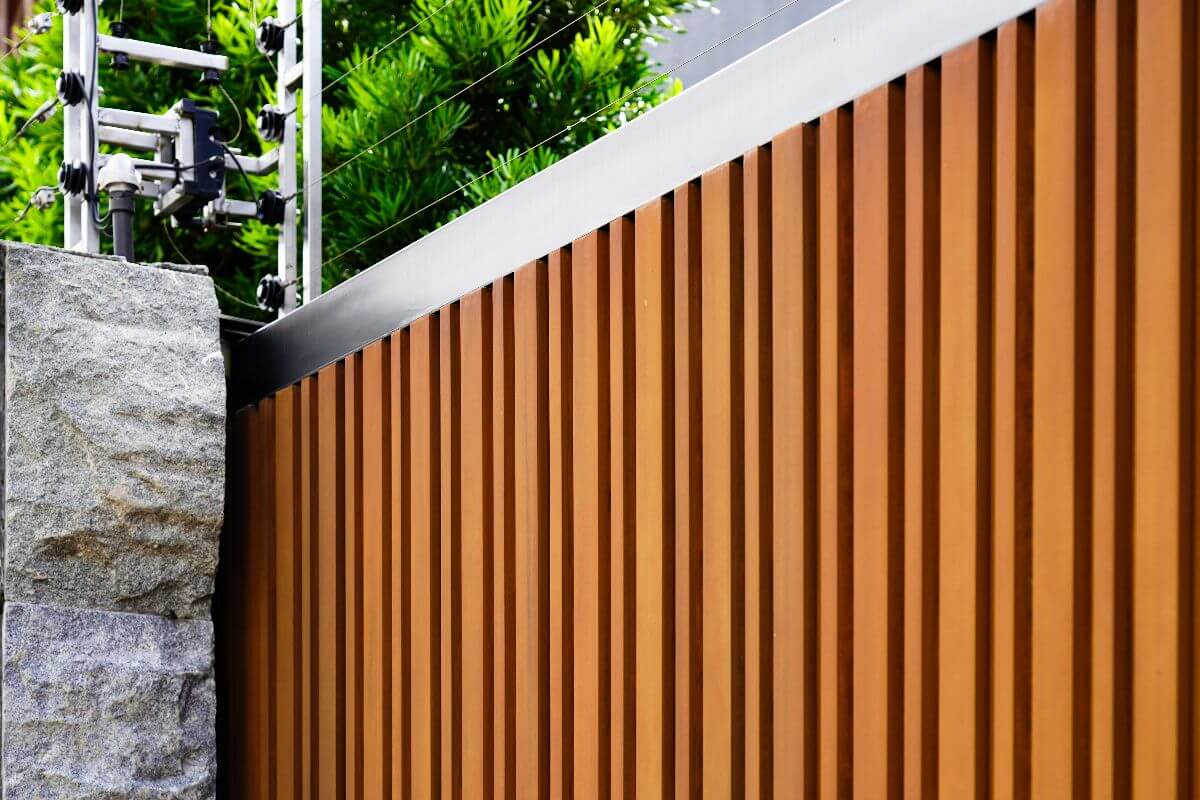
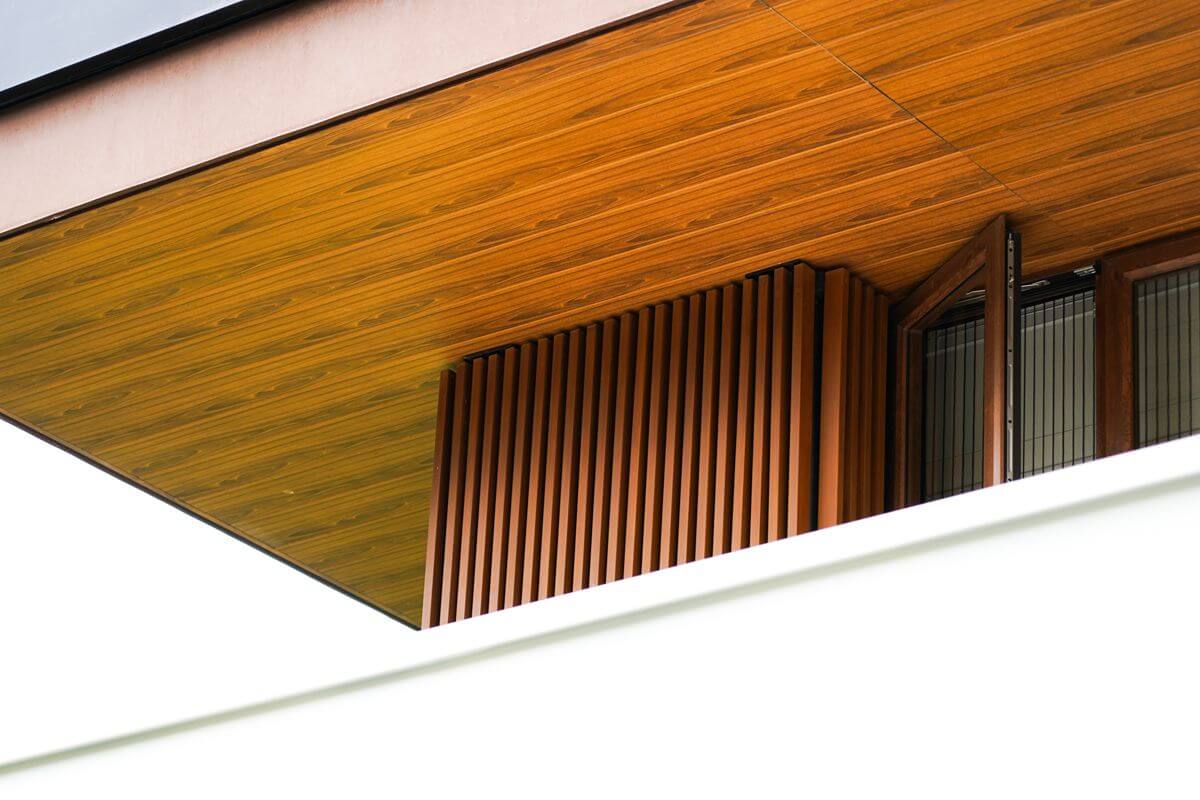
Exterior facades remain one of the most effective applications for WPC wall cladding. In the Philippines, building exteriors are exposed to varying conditions such as intense sunlight, high humidity, heavy rainfall, and occasional strong winds. Without proper planning, these factors can accelerate wear and affect long-term performance.
Strategic Placement
Positioning cladding under eaves or within recessed facades helps limit direct exposure to harsh weather. This approach preserves both the material’s condition and the intended architectural design.
Subframe and Structural Support
A reliable subframe system is essential for durability. Aluminum or hot-dip galvanized steel battens are preferred over untreated timber, as they offer better resistance to moisture and environmental stress.
Installation and Detailing
Correct installation improves performance over time. Stainless steel fasteners and proper expansion gaps allow panels to adjust to temperature changes and prevent structural strain. Reinforced corners using coated aluminum trims add protection against impact and weather-related damage.
Material Advantage
Using GRM Biowood WPC wall cladding further enhances durability when paired with proper installation. These panels are designed to withstand humidity, UV exposure, and environmental stress while maintaining their wood-like appearance without cracking, rotting, or fading.
High-Humidity Indoor Areas
Spaces such as bathrooms, laundry rooms, and indoor spa areas are regularly exposed to moisture and condensation, which can gradually damage traditional wood panels. WPC cladding provides a more stable alternative, maintaining its appearance even in consistently damp conditions.
In many Philippine homes, indoor areas also experience elevated humidity levels that can accelerate material deterioration. These conditions make moisture-resistant cladding essential for maintaining both durability and long-term visual appeal.
Installation Considerations
Proper installation plays a key role in performance. Panels should be installed with adequate spacing and ventilation to prevent moisture buildup behind the wall system. The use of corrosion-resistant fasteners and sealed edges further protects the cladding from prolonged exposure to humidity.
Material Benefits
Engineered panels are designed to resist moisture, mold, and termite activity while retaining a natural wood-like finish. This ensures that high-humidity spaces remain both visually appealing and hygienic.
With proper ventilation and detailing, WPC cladding can withstand both indoor moisture and coastal air conditions, making it a reliable solution for humid interiors and shoreline properties.
Outdoor Structures
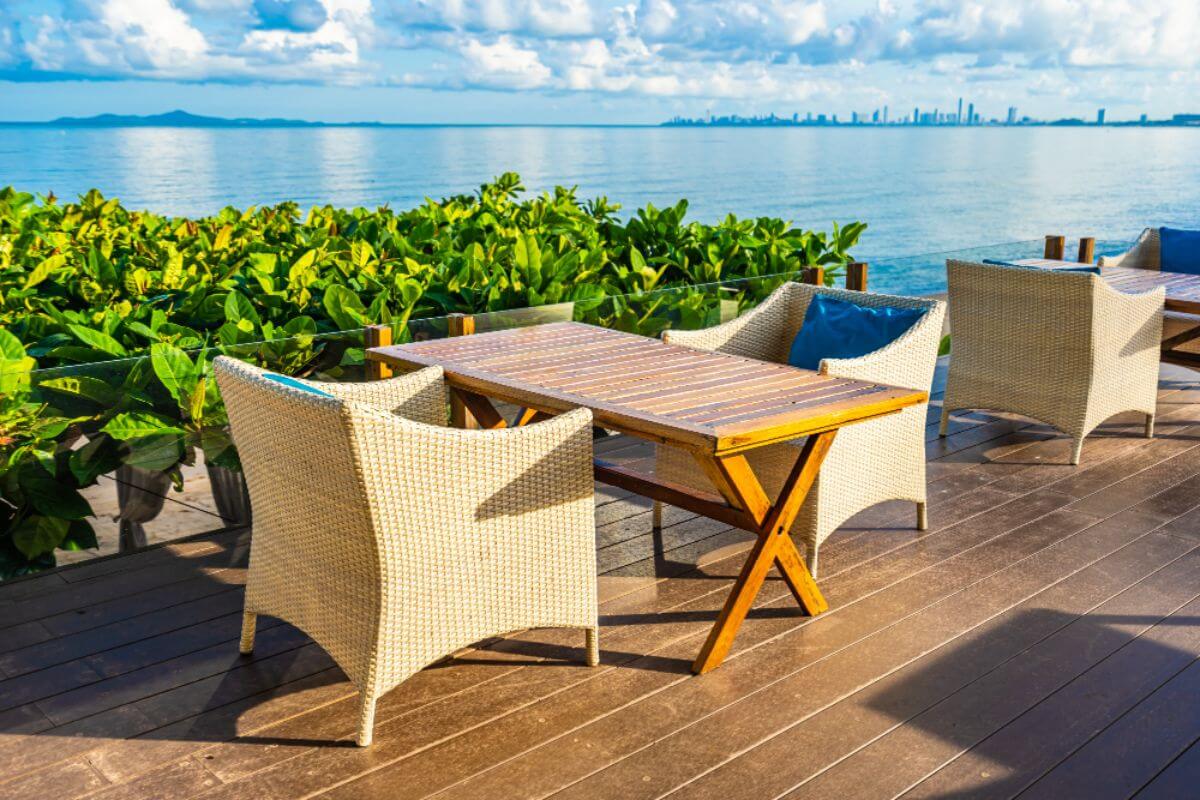
Outdoor structures are exposed to varying environmental conditions. These factors can affect the durability of wall cladding, making proper material selection essential for long-term performance.
Material Selection
Panels designed for outdoor use should offer resistance to UV exposure, moisture, and pests. GRM Biowood WPC panels are engineered with thermal stability, termite resistance, and protection against environmental wear, helping prevent fading, cracking, warping, and mold growth.
Installation Considerations
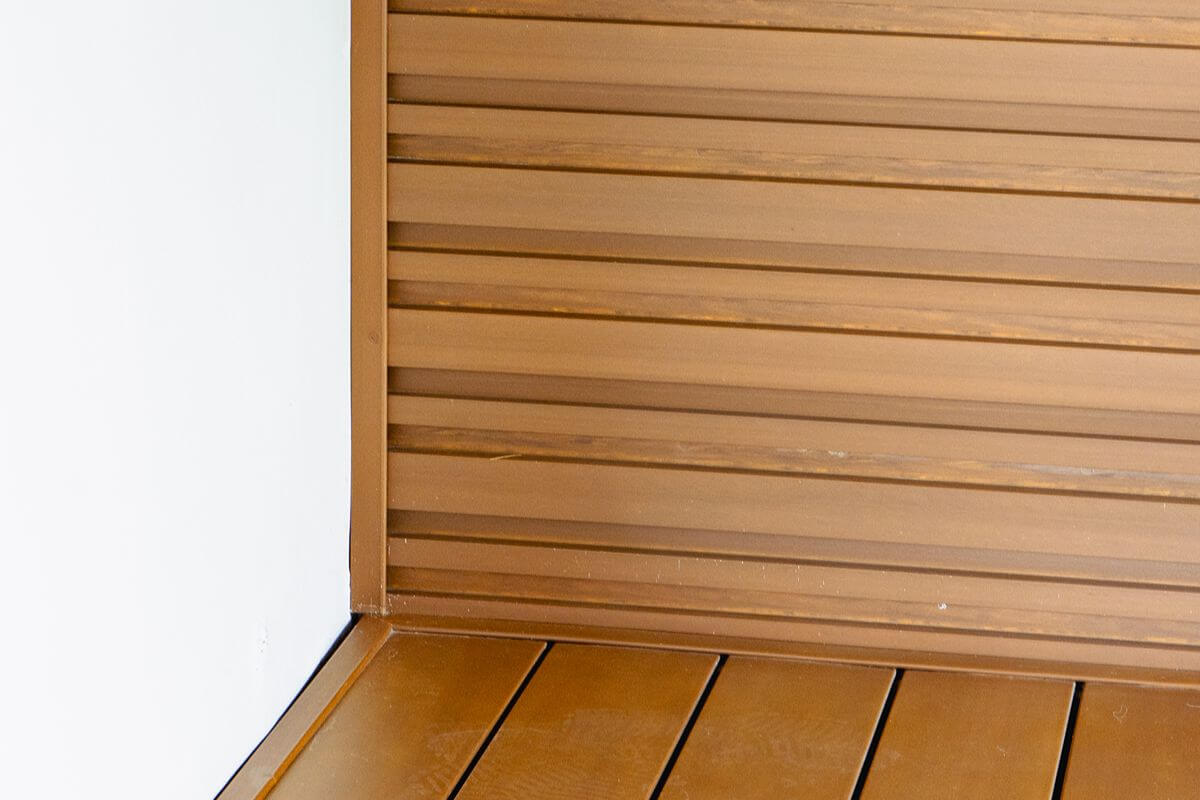
Durability is further improved through proper installation. Corrosion-resistant stainless steel fasteners, sealed joints, and ventilation gaps behind panels help prevent moisture buildup and structural issues. Horizontal installation supports efficient water runoff, while thicker panels with protective layers provide added resistance against impact and weather exposure.
Best Placement
Cladding performs best on vertical surfaces such as building facades, balconies, pergola sides, and outdoor feature walls. Areas like overhangs and terraces also benefit from improved airflow and drainage, reducing prolonged exposure to moisture.
High-Traffic Commercial Spaces
In shopping centers, lobbies, restaurants, and similar spaces, wall cladding must withstand constant contact and frequent cleaning. Panels are exposed to scratches from carts, abrasions from foot traffic, and regular contact with cleaning solutions, all of which can quickly degrade lower-quality materials.
WPC panels designed for heavy-use environments maintain a smooth, resilient surface that resists chipping, moisture, and daily abrasion. Their reinforced construction keeps panels securely in place and allows them to withstand repeated stress in high-traffic areas.
Proper installation is equally important. Adequate support, precise alignment, and appropriate spacing behind the panels help prevent warping or loosening while allowing ventilation to reduce hidden moisture buildup.
With durable materials and thoughtful installation, commercial interiors can remain visually appealing and low-maintenance, even under the constant demands of busy spaces.
Key Takeaway
For renovation firms and architects seeking to optimize project longevity, knowing where to install WPC wall cladding for maximum durability is crucial.
Using high-quality panels from GRM Biowood ensures resistance to salt, humidity, and UV exposure, while strategic placement and proper installation maximize lifespan and reduce maintenance.
For expert guidance and tailored solutions, contact us today to protect your coastal and high-humidity projects with durable WPC wall cladding.