What are the Common Mistakes to Avoid When Installing Louver Ceilings?
What are the common mistakes to avoid when installing louver ceilings?
- Neglecting site conditions
- Inaccurate measurements
- Inadequate planning for fixtures
- Installation and structural mistakes
- Material and environmental mistakes
- Finishing and maintenance pitfalls
Overview
- Installing louver ceilings may seem straightforward, but mistakes in site assessment, measurements, fixture planning, or installation can compromise stability, aesthetics, and lifespan.
- This guide explores six common errors and offers practical solutions to prevent them.
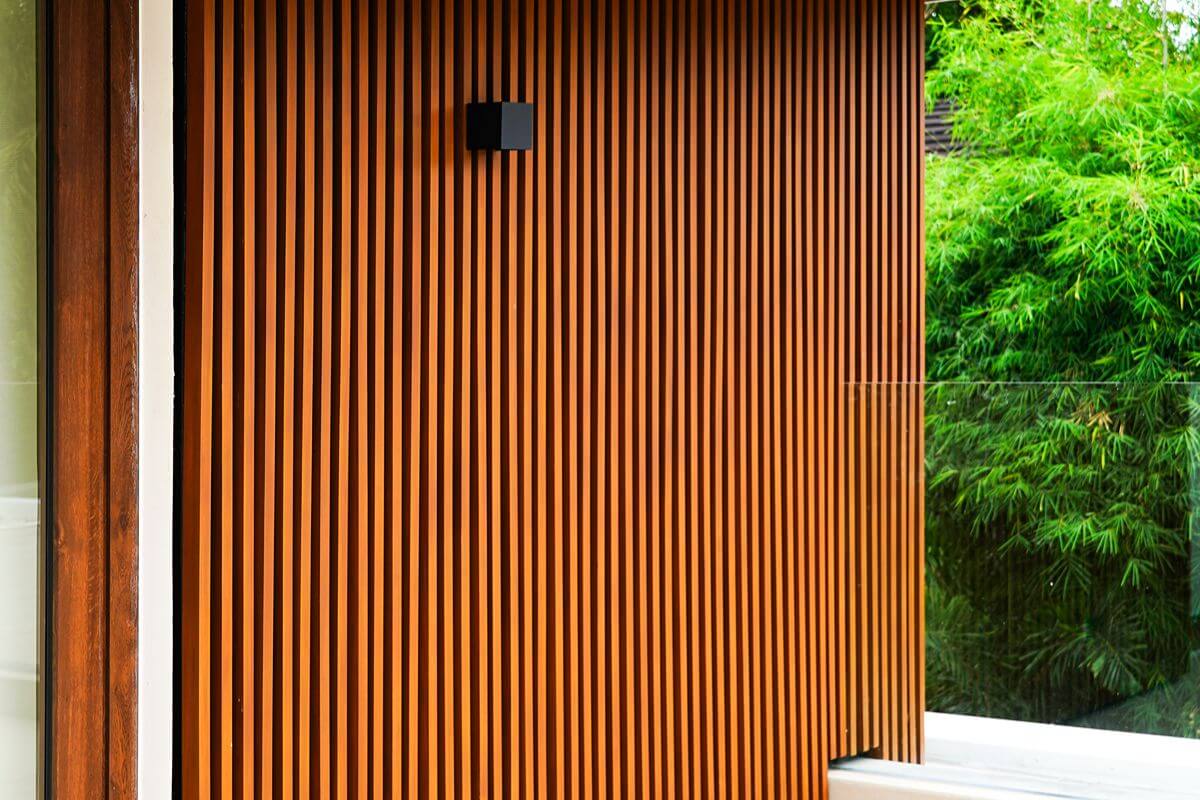
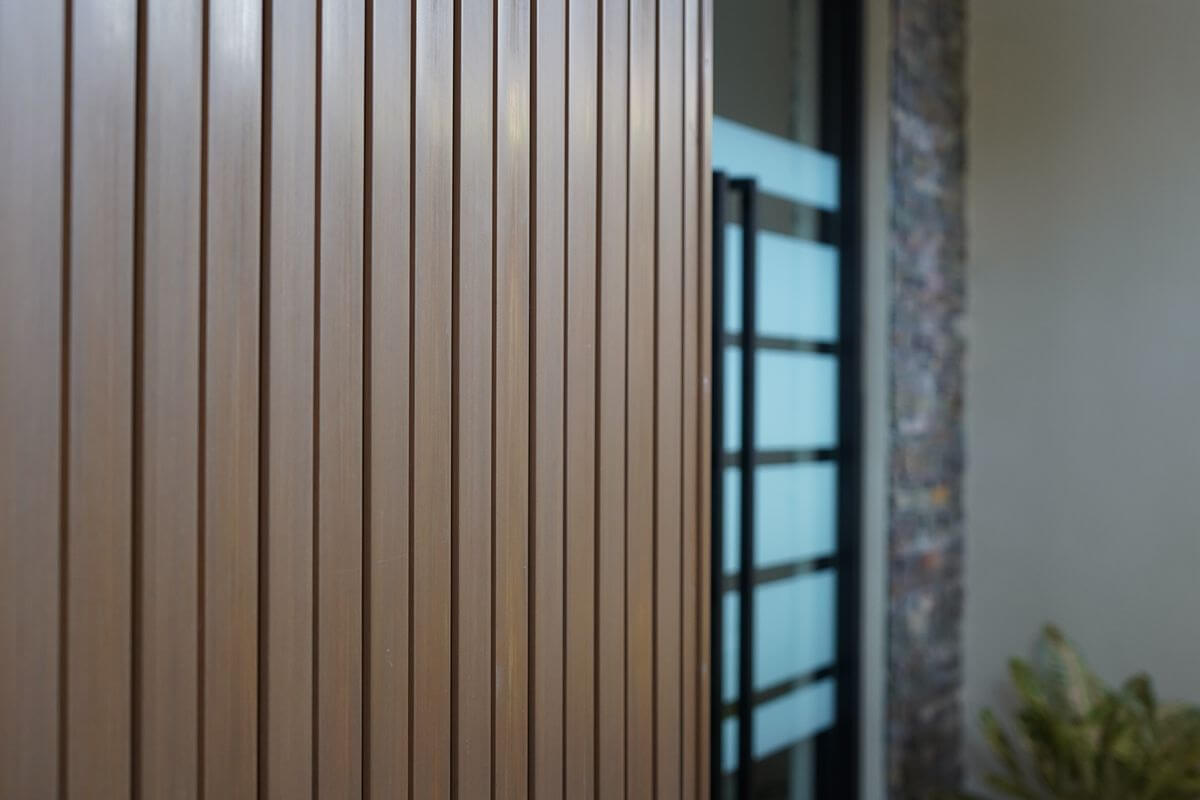
- GRM Biowood WPC louver ceilings provide moisture resistance, thermal stability, and easy maintenance, helping renovation projects achieve reliable performance.
When installing louver ceilings, even small mistakes can affect project efficiency, aesthetics, and long-term sustainability. Common errors, such as misaligned panels, faulty fastening, or wrong materials, can increase costs and reduce the overall lifespan of a ceiling.
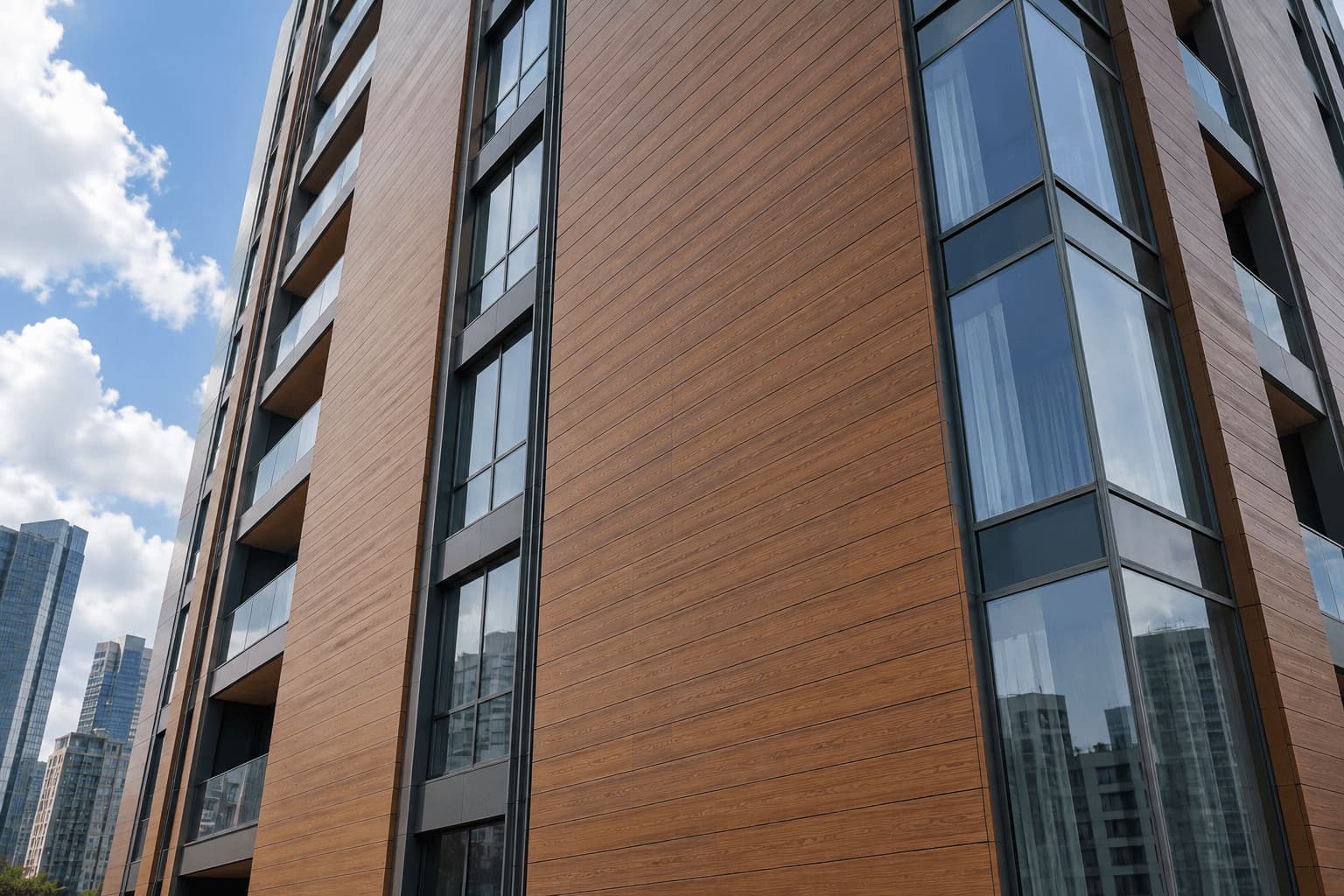
Understanding the common mistakes to avoid when installing louver ceilings can ensure a smooth installation. Selecting reliable solutions, such as Wood Plastic Composites (WPC) louver ceilings, improves performance while supporting sustainable ceilings.
This article explores six common mistakes and practical ways to prevent them, helping your projects achieve both beauty and durability.
Neglecting Site Conditions
Failing to account for site conditions can lead to unexpected ceiling problems that require extensive rework. For instance, installing panels in a high-humidity bathroom without proper ventilation can lead to warping or mold growth. When this happens, it often leads to another installation or costly rework.
Early site assessment identifies risks such as moisture buildup, poor airflow, or temperature fluctuations. This prevents unnecessary adjustments and costly corrections.
At GRM Biowood, louver ceilings are made from wood-plastic composite (WPC), ideal for high-humidity environments. Biowood has low water absorption and resists warping and mold better than traditional wood.
Inaccurate Measurements
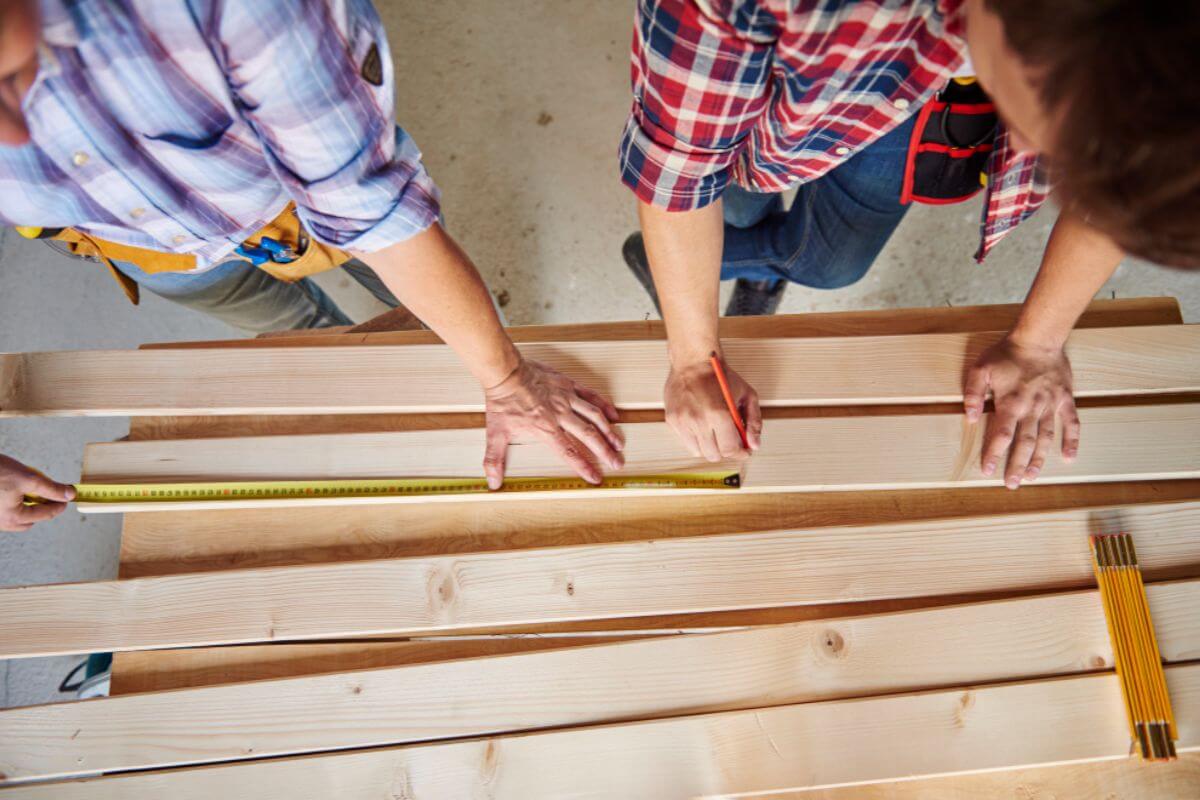
Poorly fitting panels disrupt visual flow and structural alignment, diminishing the ceiling’s overall appearance. Renovation firms need precise measurements to ensure panels integrate seamlessly and look professional.
Panels that are misaligned or incorrectly sized can disrupt lighting, ventilation, and fixture placement, which compromises both function and aesthetics. Accurate measurements help installers maintain correct spacing and alignment for a smooth ceiling design.
Reliable measurement tools and careful dimension checks guarantee panels fit correctly with surrounding structures. Properly installed WPC louver panels further preserve visual consistency.
Inadequate Planning for Fixtures
Inadequate planning for fixtures during louver ceiling installation can disrupt electrical, plumbing, and safety systems. Such disruptions may lead to potential code violations or compromises to ceiling functionality.
Coordinating fixture locations early ensures proper integration with lighting, HVAC, and sprinkler systems while maintaining airflow and safety compliance. Careful planning avoids awkward retrofits, prevents oversized cuts, and preserves the ceiling’s structural integrity.
Furthermore, verifying dimensions and mapping all mechanical and electrical components before installation helps maintain efficient workflows and long-term performance of the louver ceilings.
Installation and Structural Mistakes
Incorrect installation practices can compromise the structural stability of louver ceilings, leading to uneven panels, sagging, and unnecessary stress on the support system. Maintaining proper leveling, support alignment, and fastening is essential to ensure a stable and durable framework.
Key installation issues to avoid include:
- Uneven leveling of subframes or walls – Causes panel misalignment, especially across longer spans. Proper leveling keeps panels flush and maintains overall ceiling stability.
- Incorrect or insufficient support placement – Places uneven stress on panels and suspension points. Correct support distribution ensures balanced load handling and structural integrity.
- Missing thermal expansion gaps – Leads to warping or pressure between panels as temperatures change. Adequate spacing allows natural movement without affecting alignment.
- Overloading the structure – Exceeding load limits increases stress on panels and suspension systems, resulting in sagging. Proper load control maintains long-term stability.
- Incompatible fasteners – Can cause loosening or damage over time. Using the correct fasteners ensures secure installation and consistent performance.
Careful attention to these details helps preserve structural integrity and ensures long-term performance of louver ceiling systems.
Material and Environmental Mistakes
Choosing inappropriate materials or overlooking environmental conditions can reduce the lifespan of louver ceilings. Panels may warp, corrode, or degrade when exposed to environmental conditions (moisture and sunlight). Selecting materials that match site conditions ensures durability and low-maintenance performance.
- Using improper materials, such as standard wood, can lead to swelling and mold in high-humidity areas. GRM Biowood WPC louvers, with low water absorption and mold resistance, provide a more durable alternative.
- Poor drainage in outdoor or wet areas can cause water pooling, increasing weight and risking corrosion. A proper 1:40 to 1:80 gradient helps prevent this and protects the structure.
- Ignoring thermal expansion can also stress joints and fasteners as panels expand and contract with temperature changes. Allowing proper spacing helps maintain stability and prevents damage.
Finishing and Maintenance Pitfalls
Even well-installed louver ceilings can underperform if finishing and maintenance are neglected. Poor joint finishing, limited access, or skipped cleaning can reduce lifespan and functionality. Planning these details early helps preserve panel performance, appearance, and long-term reliability.
- Poor Joint Finishing: Inconsistent gaps can create visible lines or cracks over time. Using color-matched caulk, BioWood’s clip system, or sanding and sealing ensures uniform expansion joints and seamless blending.
- Neglecting Future Access: Fixed louvers can block HVAC, plumbing, or wiring routes if not properly installed. Removable sections or hinged panels with at least 150mm clearance maintain accessibility for future maintenance.
- Skipping Cleaning: Salt, dust, and debris accelerate wear on metal tracks and clips, especially in coastal areas. Brushing louvers quarterly with mild soap, rinsing, and lubricating clips helps maintain performance and extend the lifespan of WPC louvers.
Key Takeaway
Understanding the common mistakes to avoid when installing louver ceilings is essential for achieving durable, low-maintenance, and visually seamless results.
At GRM Biowood, our WPC louver ceilings offer moisture resistance, thermal stability, and long-lasting performance to help your projects maintain both function and aesthetics.
For expert guidance or to explore suitable WPC solutions, contact us now!