Maintenance Tips for Long-Lasting Wood Louver Doors
Overview
- Wood louver doors offer elegance and warmth, but traditionally require high maintenance. GRM Biowood’s high-performance composite doors simplify care with their durability, resistance to moisture and termites, and UV stability.
- Regular dusting, cleaning, hardware checks, and prompt minor repairs keep doors looking beautiful while reducing time, cost, and stress for homeowners and designers.
Wood louver doors represent a commitment to sophistication and classic architectural design. They infuse any space with texture and warmth. However, for years, industry professionals and homeowners alike have assumed that preserving this look demands constant, costly, and time-consuming upkeep.
We are here to challenge that notion. The truth is, securing the longevity of these beautiful features requires only simple, consistent care.
Furthermore, finding effective maintenance tips for long-lasting wood louver doors is crucial. However, choosing high-performance composite materials, such as our signature wood-plastic composite at GRM Biowood, eliminates the most burdensome and expensive tasks.
This article provides the foundational care steps for projects demanding both luxury and structural integrity.
Cleaning and Dusting
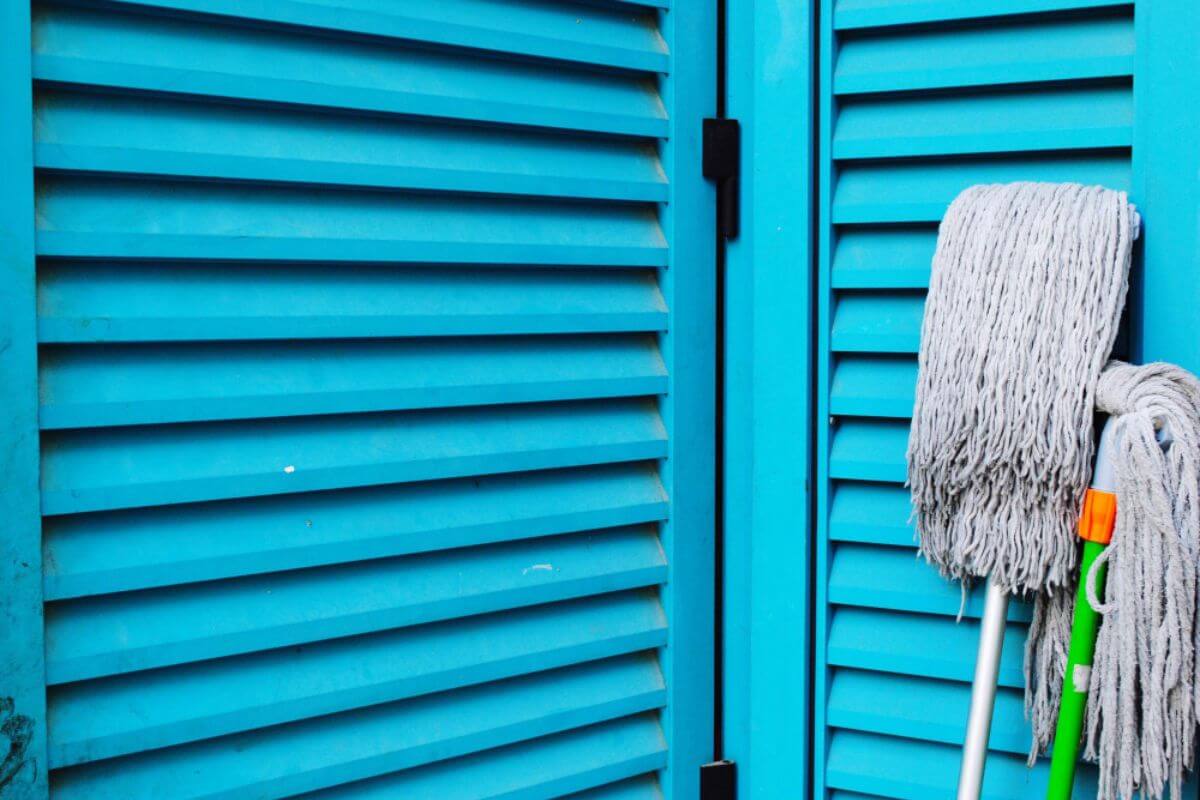
Keeping doors clean doesn’t have to be complicated. Dust naturally accumulates in the slats of louver doors, which can affect both appearance and operation.
Regular cleaning preserves their elegance while preventing long-term wear. Biowood’s smooth, water-resistant surface makes this process even simpler.
Maintain Dust-Free Louvers Weekly:
Use a microfiber cloth or a vacuum with a soft brush attachment to remove surface dust and debris. This quick routine prevents buildup between slats and ensures proper airflow for interior spaces.
Perform Gentle Deep Cleaning Monthly or As Needed:
Occasionally, doors benefit from a deeper wipe-down using a mild solution using pH-neutral soap and warm water.
Dampen a soft, lint-free cloth and wring it out thoroughly—it must be barely damp, as excess water is detrimental to wood finishes. Wipe along the grain of the wood, drying the door immediately afterward with a second, dry cloth.
This dual-action process cleans without allowing moisture to penetrate.
What to Avoid
Never use harsh, abrasive chemicals, ammonia-based cleaners, or scouring pads. These products aggressively strip the protective sealant or paint, making the wood vulnerable to moisture, warping, and fading.
Instead, opt for specialized wood-cleaning products that nourish the surface.
Moisture and Environmental Control
Wood reacts to its environment, but you can mitigate potential issues. Humidity fluctuations, temperature changes, and prolonged sunlight exposure can cause traditional wood to warp, swell, or fade.
Biowood’s composition ensures superior stability, but a few preventive measures help your doors maintain their aesthetic and structural integrity.
Regulate Humidity for Stable Doors
In areas of high moisture, such as bathrooms, laundry rooms, or coastal locations, employ a dehumidifier or ensure proper ventilation.
Fluctuations in relative humidity cause wood to swell or shrink, leading to misaligned slats and stiffness in the operation of the door.
Seal Edges to Prevent Water Penetration
The edges of a door slab are often the most porous. Ensure all six sides of the door: the front, back, and all four edges (top, bottom, and sides) are completely sealed with the finish or paint.
This simple, often overlooked step is the primary defense against moisture infiltration at the door’s core.
Protect from the Sun
Direct, sustained sunlight, particularly the UV component, degrades the finish, causing fading, cracking, and eventual peeling.
For doors with high sun exposure, apply a UV-resistant clear coat and reapply as the finish shows wear.
For developers and architects, thoughtful overhangs or exterior screening can also mitigate this sun damage.
Hardware and Operational Maintenance
The functionality of louver doors depends not just on the material but also on the condition of their hardware. Regular attention ensures smooth operation and prevents long-term wear.
Lubricate Hinges and Locks for Effortless Use
Apply a silicone-based lubricant annually or when needed. This keeps hinges and locks moving smoothly and quietly, preventing squeaks and friction.
Inspect and Tighten Hardware Regularly
Periodically check screws, bolts, and fasteners. Tighten any that have loosened over time to maintain structural integrity and prevent rattling.
Practice Gentle Use
Avoid slamming doors or hanging heavy objects on the louvers. Even with durable biowood doors, forceful handling can affect alignment and operation. Encouraging careful use ensures longevity and maintains premium aesthetics.
Prompt Repairs and Refinishing
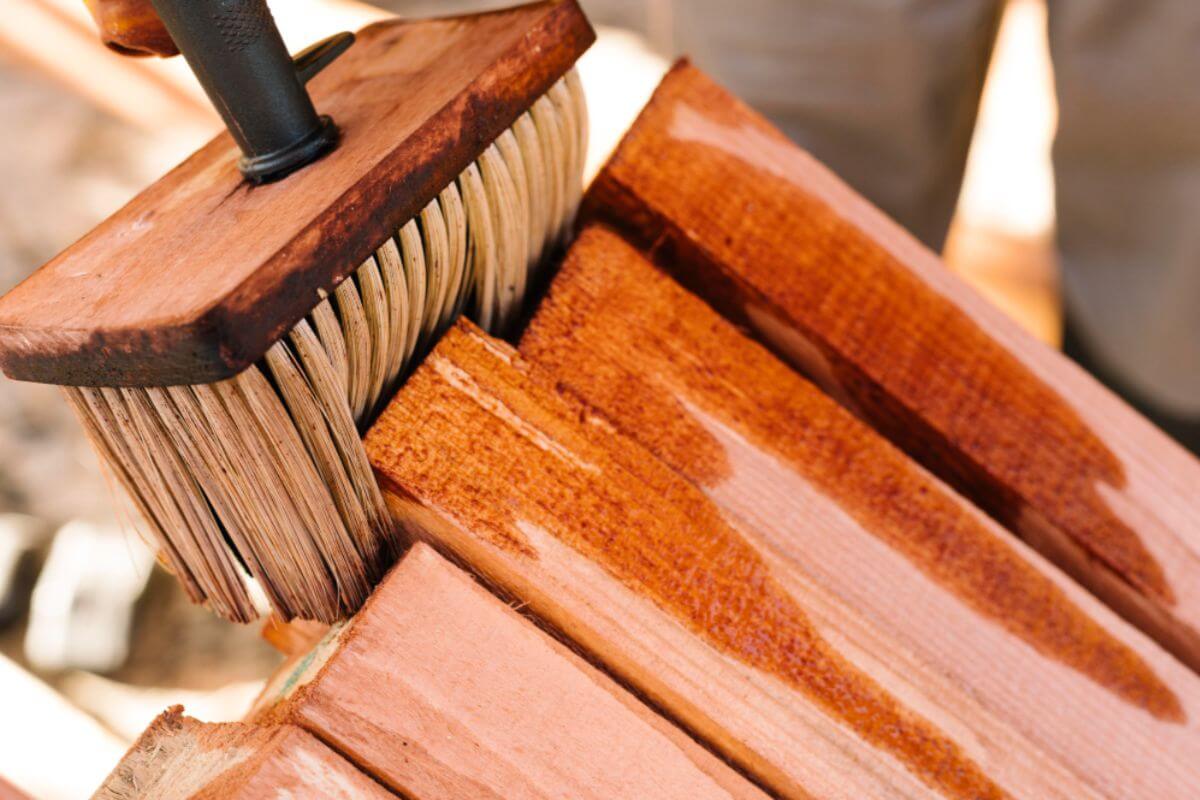
Small issues are easier to manage early. Addressing minor cracks, chips, or loose slats prevents problems from escalating.
Repair Cracks or Chips Immediately
Fill minor imperfections with wood filler and sand smooth. This prevents further splitting or surface damage.
Reattach or Replace Loose Slats
If a louver slat becomes loose or detached, use a strong wood adhesive to reattach it promptly. Clamp the area gently until the adhesive sets fully to restore the slat’s original position and structural integrity.
Refinish Periodically to Restore Protection
For traditional wood doors, the protective finish (varnish, paint, or sealant) must be inspected and reapplied every 1–2 years, or immediately when wear is noted. This maintenance cycle is the single greatest burden of natural timber.
Key Takeaway
True longevity for wood louver doors relies on durable materials and proper care. GRM Biowood offers termite-resistant, weather-stable, low-maintenance doors.
Following simple maintenance tips for long-lasting wood louver doors protects your investment while minimizing time, cost, and effort, keeping your doors elegant and functional for years.
Contact us at GRM Biowood today to explore our range of sustainable doors and panels, request technical sheets, or consult on a tailored solution for your next project.