4 Reasons Why Interior Wood Wall Cladding Elevates Branded Store Design in the Philippines
What are the reasons why interior wood wall cladding elevates branded store design in the Philippines?
- Establishes brand identity
- Improves store acoustics
- Adapts to tropical climates
- Conceals wall imperfections and utilities
Overview
- Interior wood wall cladding elevates Philippine retail design by establishing brand identity, softening store acoustics, and concealing utility lines.
- By choosing GRM Biowood’s durable, moisture-resistant WPC cladding, developers ensure commercial interiors withstand tropical humidity, maintain a polished aesthetic, and provide an adaptable foundation that attracts premium, long-term tenants.
A store’s interior serves as a physical extension of its identity, instantly communicating brand values to customers. Strategic design and intentional material selection are essential to crafting this initial touchpoint and reinforcing a memorable customer experience.
Industry experts recognize the distinct reasons why interior wood wall cladding elevates branded store design in the Philippines, a trend developers use for premium retail fit-outs. Local retailers must increasingly design spaces that foster deep customer connections while consistently supporting their corporate identity.
Through GRM Biowood’s sustainable product range, brand managers find an efficient method to balance aesthetics with physical durability. Here is how specialized cladding structures transform commercial interiors.
Establishes Brand Identity
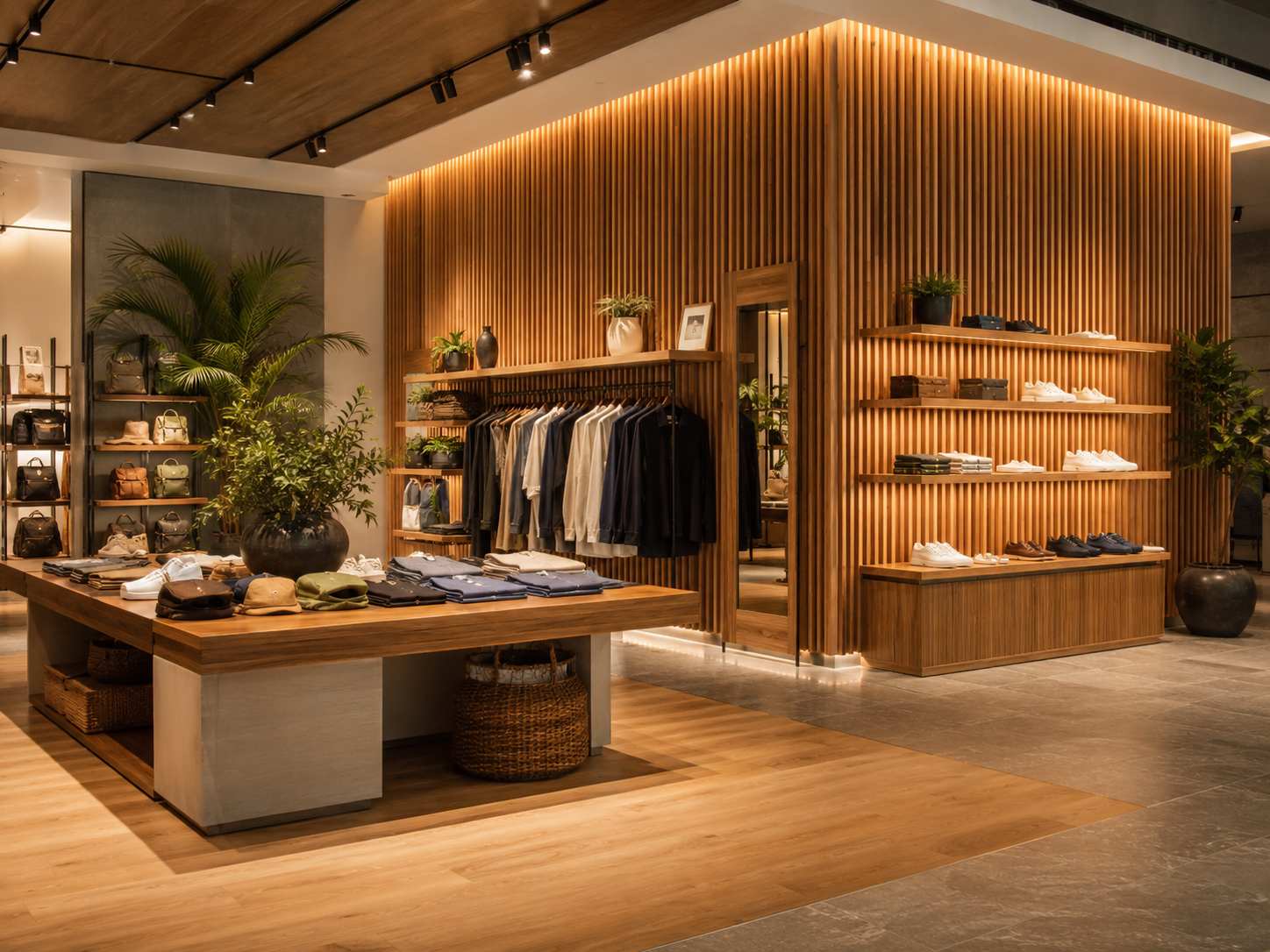
Retail interiors must fully embody a brand’s personality, using elements such as wood wall cladding to foster an immediate sense of warmth. While merchandising communicates the immediate message, the perimeter finishes dictate the customer environment. Implementing interior cladding ensures a welcoming, memorable atmosphere that aligns with the brand’s core values.
The inherent appeal of wood lends itself to numerous commercial concepts, making properties highly attractive to diverse tenants, including specialty cafes and premium retail brands. Specifying these enduring finishes allows developers to deliver commercial spaces with a strong, adaptable design foundation.
Improves Store Acoustics
One of the most helpful qualities of wall cladding is that it enhances customers’ comfort while browsing or interacting with staff. Retail interiors often use hard materials like glass and concrete that reflect sound. While they help achieve a unique aesthetic, they create echoes that make the store’s interior feel busier. Introducing wood wall cladding helps soften these reflections, resulting in spaces that feel more inviting and easier to stay in.
A more comfortable acoustic environment also supports the daily operations within the store. Customers are more likely to enjoy spending time in noise-free environments, especially in showrooms and wellness spaces. Selecting interior finishes that enhance both aesthetics and customer comfort allows retailers to deliver greater value to their market beyond visual appeal alone.
Adapts to Tropical Climates
Interior finishes in the Philippines must perform consistently, even amid year-round humidity. These conditions gradually affect materials that readily absorb moisture, causing them to swell or lose their original appearance over time. Choosing wall cladding that suits tropical environments, such as wood-plastic composite (WPC), helps retail interiors remain visually consistent and protected against premature failure.
This is especially valuable for property developers managing spaces intended for long-term occupancy. Durable interior finishes help preserve the quality of leased units, allowing branded stores to maintain a polished appearance throughout the tenancy. By specifying materials suited to local conditions, developers can create commercial spaces that sustain long-term building value.
Conceals Wall Imperfections and Utilities
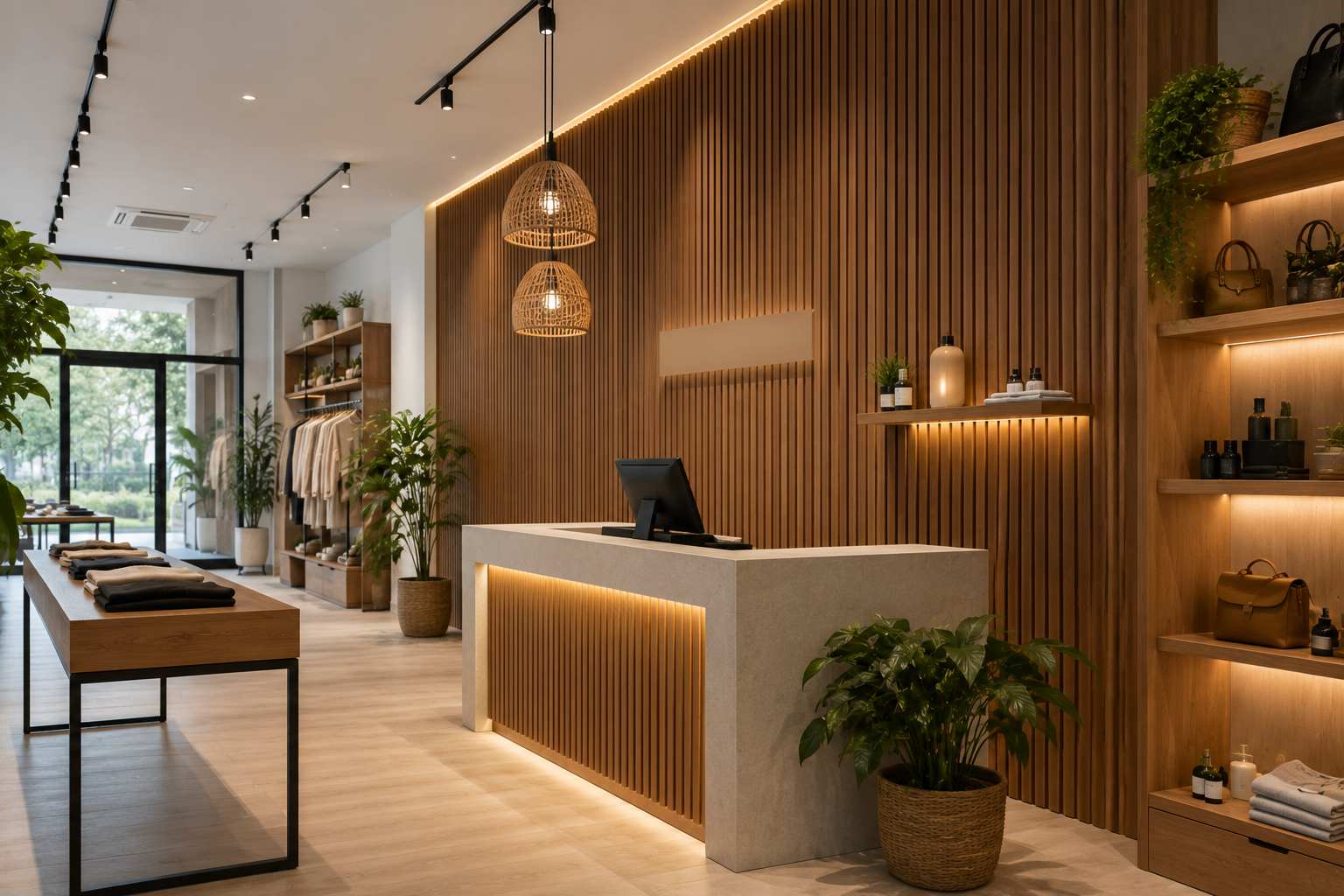
Covering uneven walls and exposed structural elements with architectural cladding prevents imperfections in the building from disrupting a curated store environment. The resulting clean surfaces act as a premium backdrop, ensuring product displays remain the true focal point. For example, a luxury cosmetics brand can utilize seamless wood-look walls to mask irregular perimeter boundaries, anchoring the space with a unified design theme that spotlights high-value inventory.
This system also grants developers greater layout flexibility when retrofitting spaces to meet changing tenant demands. Concealing electrical wiring, plumbing lines, and media cables within the cladding framework removes the need for structural wall modifications during turnover. A prime example is a multi-brand retail unit that can easily reroute its point-of-sale wiring to accommodate a completely new floor plan, accelerating construction timelines and reducing tenant fit-out expenses.
Make Impactful Branded Store Designs With Wall Cladding Solutions From GRM Biowood
GRM Biowood’s WPC wall cladding solutions help Philippine developers design warm, sophisticated retail interiors that attract premium tenants. Combining the authentic appeal of timber with exceptional durability, these systems ensure commercial spaces maintain a polished appearance over the long term.
A diverse selection of finishes and profiles gives architects the flexibility to accommodate distinct retail concepts. Blending authentic aesthetics with lasting performance, our sustainable cladding adds value throughout the property’s lifespan.
Key Takeaway
The reasons why interior wood wall cladding elevates branded store design in the Philippines become more evident in how it helps create stronger first impressions. A well-selected cladding system contributes to a welcoming, strong environment and reinforces a brand’s identity. For developers, these advantages create retail spaces that remain attractive to tenants for years to come.
GRM Biowood provides WPC wall cladding solutions that combine natural wood with specially engineered composite plastic to create lasting retail interiors. Contact us today to bring warmth and elegance to your retail spaces with our biowood solutions.