How to Assess Authentic Biowood Products in the Philippine Market?
How to identify authentic biowood products in the Philippine market?
- Authorized distributor
- Product testing & certification
- Physical inspection
- Request samples
Overview
- Authentic biowood is essential for safe, durable, and sustainable construction in the Philippines.
- With many misleading products in the market, verifying authorized distributors, conducting physical inspections, and requesting samples are key steps.
- These practices help ensure quality, prevent costly issues, and guide you in selecting reliable biowood materials for long-term project performance.
The authenticity of biowood products is a highly important factor when planning residential, commercial, or architectural projects in the Philippines. This directly determines the sustainability, safety, and overall performance of your project; however, not all products on the market can deliver the same level of quality and reliability.
As demand for eco-friendly building materials continues to rise, more suppliers are labeling their products as “biowood.” However, not all of these claims are credible. For this reason, understanding how to assess authentic biowood products in the Philippine market is essential, as it helps protect you from misleading suppliers and ensures your investment delivers long-term value.
Authorized Distributor
To ensure authenticity, it is important to source biowood from authorized distributors that work with established manufacturers backed by proven track records and recognized certifications. This helps maintain consistent quality and ensures compliance with sustainability standards.
At GRM Biowood, we work closely with trusted manufacturing partners to deliver reliable biowood solutions. Our wood-plastic composite materials for ceilings, decking, and other applications are carefully sourced to ensure durability, authenticity, and long-term performance.
Product Testing and Certification

Product testing and certification are important because they provide verified proof that biowood materials meet established standards for quality, safety, and sustainability. Without them, product claims remain unvalidated and may not reflect actual performance.
Through proper testing, materials are evaluated for strength, density, moisture resistance, and durability—factors that are especially important in the Philippines’ humid environment. Certifications also confirm compliance with industry and environmental standards, reducing the risk of defects or premature failure.
For example, a developer may install uncertified biowood panels that appear durable at first but begin to warp or weaken after exposure to humidity. In contrast, certified materials have undergone testing to ensure they can withstand these conditions, helping prevent costly repairs and project delays.
Physical Inspection
Not all products labeled as “biowood” in the Philippine market meet the physical standards of authentic materials. While they may appear similar, differences in color, density, surface finish, edge quality, and consistency can indicate poor quality and affect structural integrity.
For this reason, conducting a physical inspection before installation is essential. Use the following steps as a guide:
- Edges and Surface – Run your fingernail along the surface and edges. Authentic biowood is smooth, has no fiber pull-out, and features clean extrusion lines, while unauthentic panels feel rough with crumbly edges.
- Flex / Strength – Place the panel on two supports with a measured span in between and apply gentle pressure at the center to observe bending. Authentic biowood is rigid yet sandable with no delamination, while unauthentic panels are brittle or overly flexible, and layers may separate.
- Density – Place a small panel sample in water. Authentic biowood sinks slowly, while unauthentic panels float quickly.
- Color Uniformity – Place 5–10 panels flat and scan from edges to face under natural north-facing daylight or a D65 standard lamp. Panels pass authenticity if the base tone is uniform; blotches, greenish tints, or a plastic sheen indicate unauthentic material.
Tip: These checks help confirm authenticity, durability, and suitability for Philippine conditions, protecting your investment and ensuring project quality.
Request Samples

Purchasing biowood materials without requesting and inspecting samples can be risky, even when dealing with an authorized distributor. Variations in color, finish, and structural integrity may occur due to shipping, storage, or handling, which can affect both the appearance and durability of your project.
To reduce these risks, it is important to request samples and evaluate them firsthand. This allows you to assess key qualities such as finish, consistency, and overall performance, while also checking if the materials align with your design and can withstand the Philippines’ humid conditions.
Additionally, a distributor’s ability to provide samples promptly reflects their reliability and readiness to meet project timelines, helping you avoid delays once construction begins.
Common Indicators of Authenticity
Origin: Biowood products are sourced from trusted manufacturers and supplied through their authorized distributors.
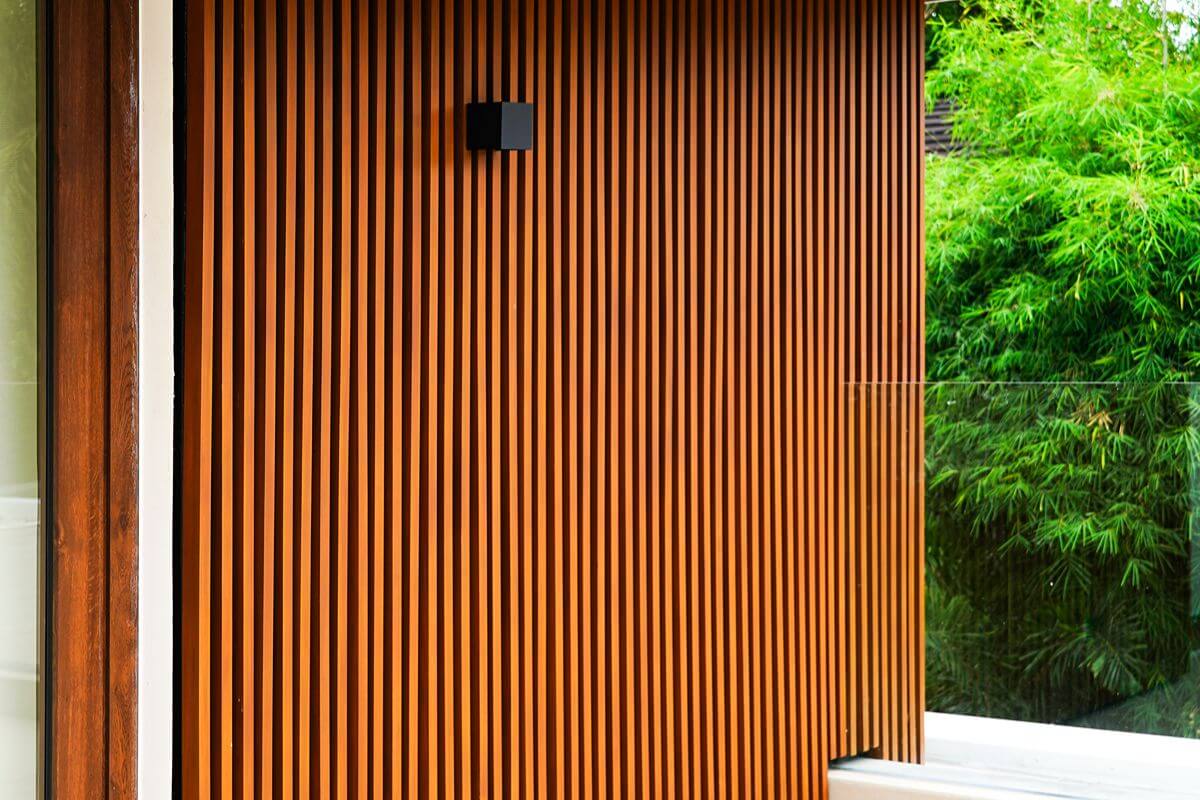
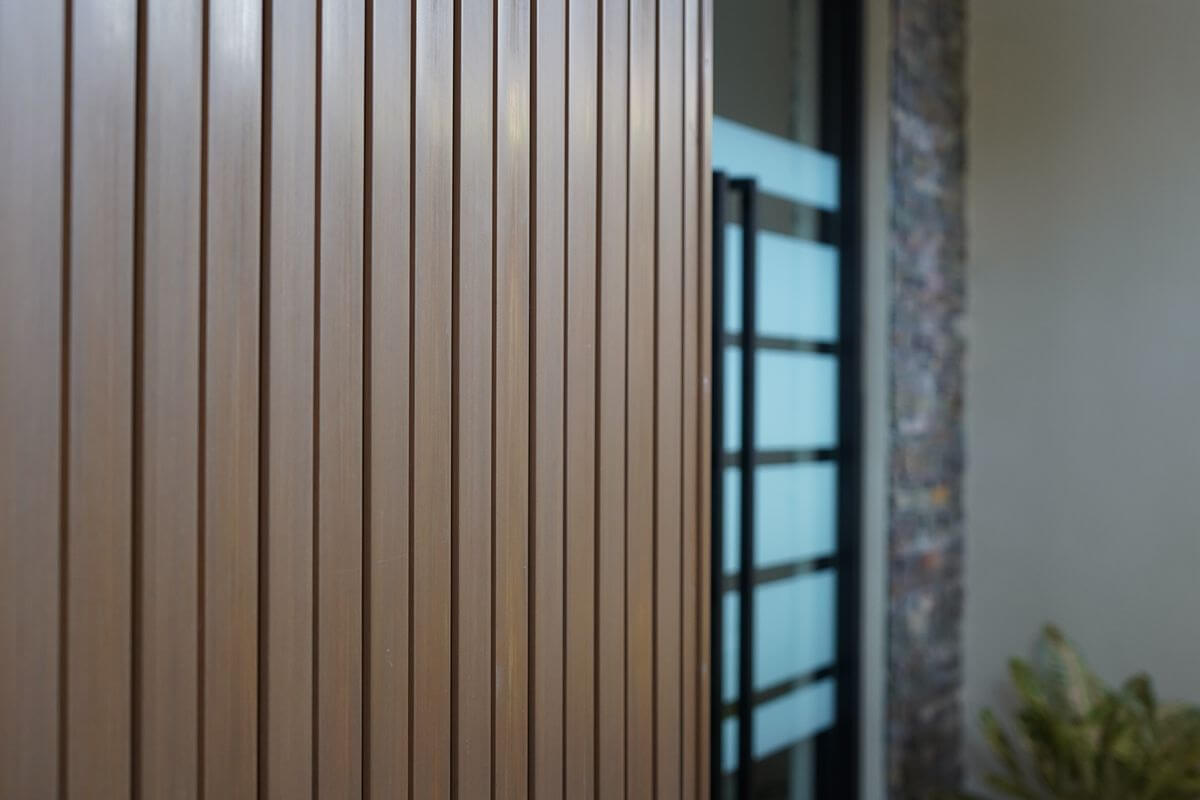
Look: Check the surface finish, color uniformity, and edges. Authentic biowood has a smooth, consistent finish, clean extrusion lines, and natural, uniform color.
Feel: Test the density, rigidity, and texture. Authentic panels feel solid, rigid, yet sandable, and show no fiber pull-out or delamination.
Key Takeaway
Ensuring biowood authenticity is key to achieving safe and high-performing projects. By verifying suppliers, inspecting materials, and requesting samples, you can understand how to assess authentic biowood products in the Philippine market and avoid costly mistakes.
At GRM Biowood, we deliver certified, high-quality biowood solutions you can rely on.
Contact us today to learn more or request samples.