GET A FREE CATALOG
How Biowood Philippines Helps Create Eco-Friendly Homes
How does biowood in the Philippines help create eco-friendly homes?
- Reduces deforestation and promotes sustainable sourcing
- Low carbon footprint and energy-efficient production
- Durable and long-lasting
- Versatile for multiple applications
- Climate-appropriate for the Philippines
Overview
- Biowood, a wood-plastic composite made from recycled fibers and polymers, offers an eco-friendly alternative that combines the aesthetics of natural wood with enhanced durability.
- It reduces deforestation, lowers carbon footprint, and resists termites, moisture, and UV damage, making it ideal for decking, cladding, and furniture.
- Climate-appropriate and versatile, Biowood supports energy efficiency, long-term cost savings, and environmentally responsible living.
The demand for sustainable building materials is reshaping how we design and build homes. In tropical countries like the Philippines, traditional wood often struggles to withstand heat, humidity, and rain, leading to faster wear, more frequent maintenance, and greater environmental impact.
Fortunately, innovations in composite timber now make it possible to build greener and longer-lasting spaces. But how exactly does biowood in the Philippines help create eco-friendly homes?
In this article, we’ll explore how wood composite products bridge sustainability and performance, offering the natural look of timber with the strength and longevity of modern materials.
What Is Biowood?
Biowood is a premium wood-plastic composite crafted from recycled wood fibers and thermoplastic polymers. Unlike traditional timber, it reduces reliance on freshly cut trees, easing pressure on natural forests.
At GRM Biowood, we provide a versatile range of products for decking, cladding, and furniture, blending visual appeal with eco-conscious design.
How It Helps Build Eco-Friendly Homes

Using Biowood allows homeowners and builders to make choices that are better for the environment without compromising durability or style. Here are some of the ways it supports eco-friendly, resilient, and versatile home design.
Reduces Deforestation And Promotes Sustainable Sourcing
Biowood products use up to 70% reconstituted wood, such as pine wood powder, and recycled wood fibers. This reduces reliance on freshly cut timber, helping to conserve forests and protect local biodiversity.
By choosing Biowood, homeowners and builders actively support sustainable sourcing practices, while still achieving the natural look and feel of timber in their homes.
Low Carbon Footprint And Energy-Efficient Production
The production of Biowood uses less energy compared to conventional materials like steel, concrete, or even treated wood.
By repurposing wood scraps, sawdust, and UPVC resin, the manufacturing process also reduces waste that would otherwise end up in landfills.
The combined effect is a lower embodied energy and carbon footprint, making homes built with Biowood greener and more environmentally responsible.
Durable And Long-Lasting
Biowood is engineered to withstand common challenges in the Philippines, including termites, moisture, rot, UV exposure, and even fire.
Its resilience means less frequent replacement and lower long-term waste compared to conventional timber.
This durability translates into cost savings for homeowners and a smaller environmental impact over the life of the building.
Versatile For Multiple Applications
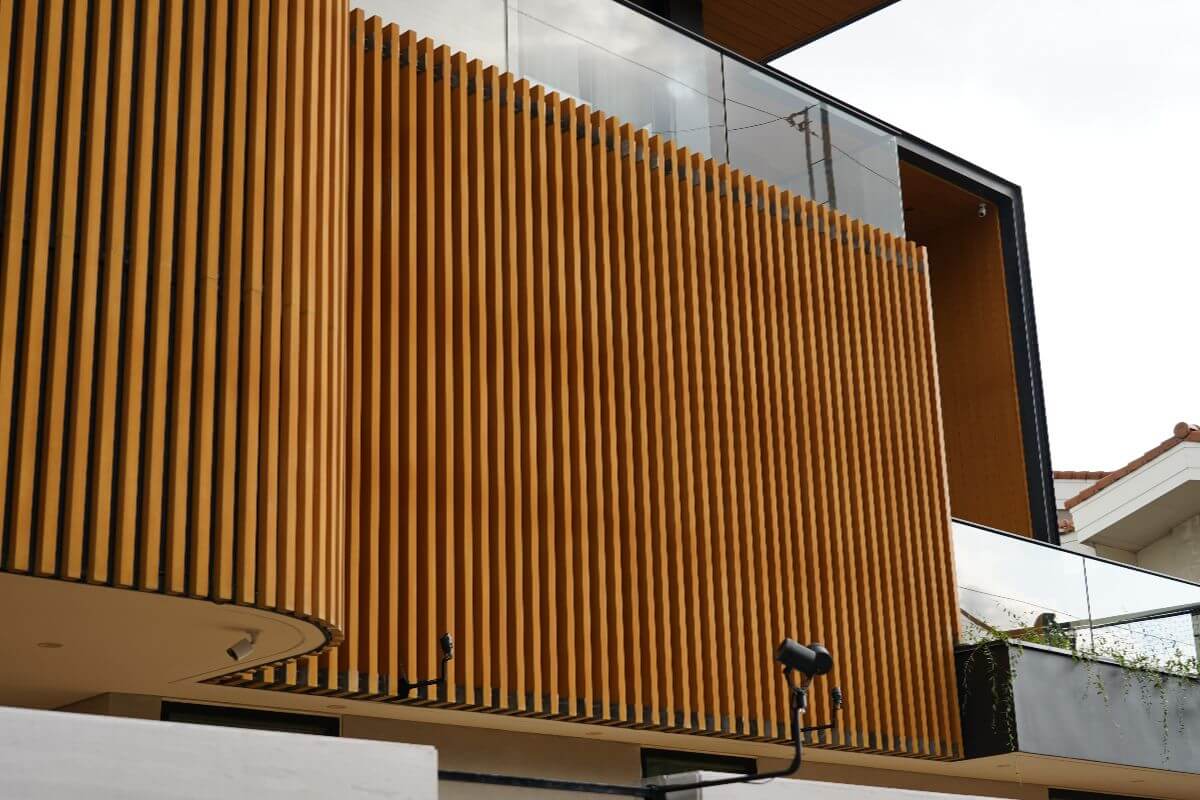
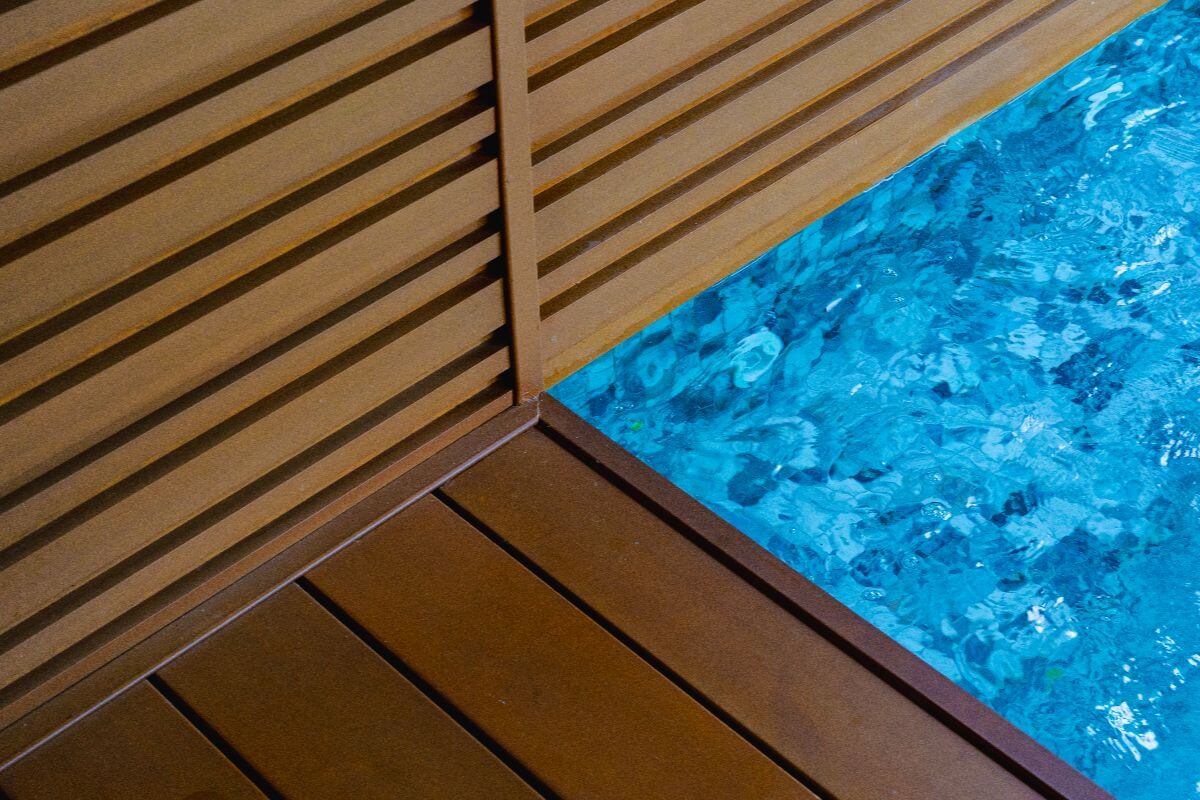
From outdoor decking and fencing to wall cladding and furniture, Biowood adapts to a wide range of design needs.
Its versatility reduces the need to source multiple materials for different purposes, minimizing construction waste. At the same time, it allows homeowners to create cohesive, durable, and stylish spaces using a single sustainable material.
Climate-Appropriate For The Philippines
Engineered for tropical climates, this wood-plastic composite resists swelling, cracking, and warping from heat, humidity, and heavy rainfall. Its thermal properties help regulate indoor temperatures, promoting energy efficiency. The result is durable, comfortable, and environmentally conscious homes that require fewer replacements and lower energy use.
Why It Matters for Your Home and Lifestyle

Using sustainable, durable materials ensures your home withstands the harsh Philippine climate without frequent repairs, saving time, energy, and resources. Its chemical-free composition promotes cleaner indoor air, while thermal performance helps keep rooms naturally cooler, reducing reliance on air conditioning. Choosing these materials also reflects a commitment to environmentally conscious living.
Things To Keep In Mind
- Upfront Cost vs. Long-Term Value: Biowood may have a higher initial price than untreated timber, but its durability, low maintenance, and longevity make it a cost-effective investment over time.
- Proper Installation is Key: Ensuring correct installation prevents issues like water pooling, warping, or uneven surfaces. Hiring experienced installers or following manufacturer guidelines maximizes performance and lifespan.
- Maintenance Requirements: While low-maintenance, Biowood benefits from occasional cleaning to remove dirt, debris, and surface stains. This helps preserve its appearance and prevents long-term wear.
- Aesthetic Expectations: Biowood closely mimics natural wood, but slight variations in color or texture may occur due to its composite nature.
- Environmental Considerations: Biowood is recyclable at the end of its life and free from harmful chemicals, but disposing of or recycling it properly ensures maximum environmental benefit.
- Application Suitability: Although versatile, it’s important to choose the right Biowood product for each application (decking, cladding, furniture, etc.) to ensure optimal performance and safety.
Key Takeaway
Understanding how Biowood in the Philippines can help create eco-friendly homes shows that sustainability and design can coexist seamlessly. Using this durable wood alternative ensures your home withstands the tropical climate, minimizes environmental impact, and promotes healthier, more comfortable living for you and your family.
Consult with GRM Biowood today for tailored product recommendations and technical support.