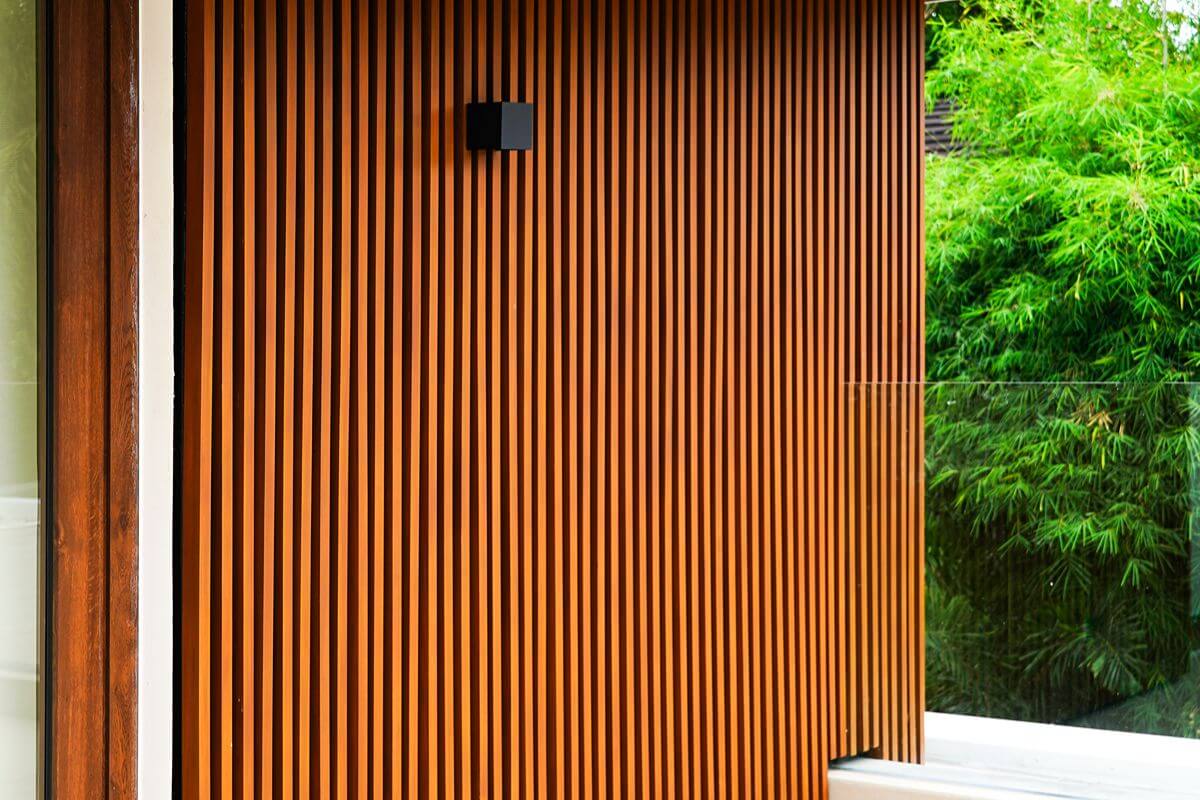
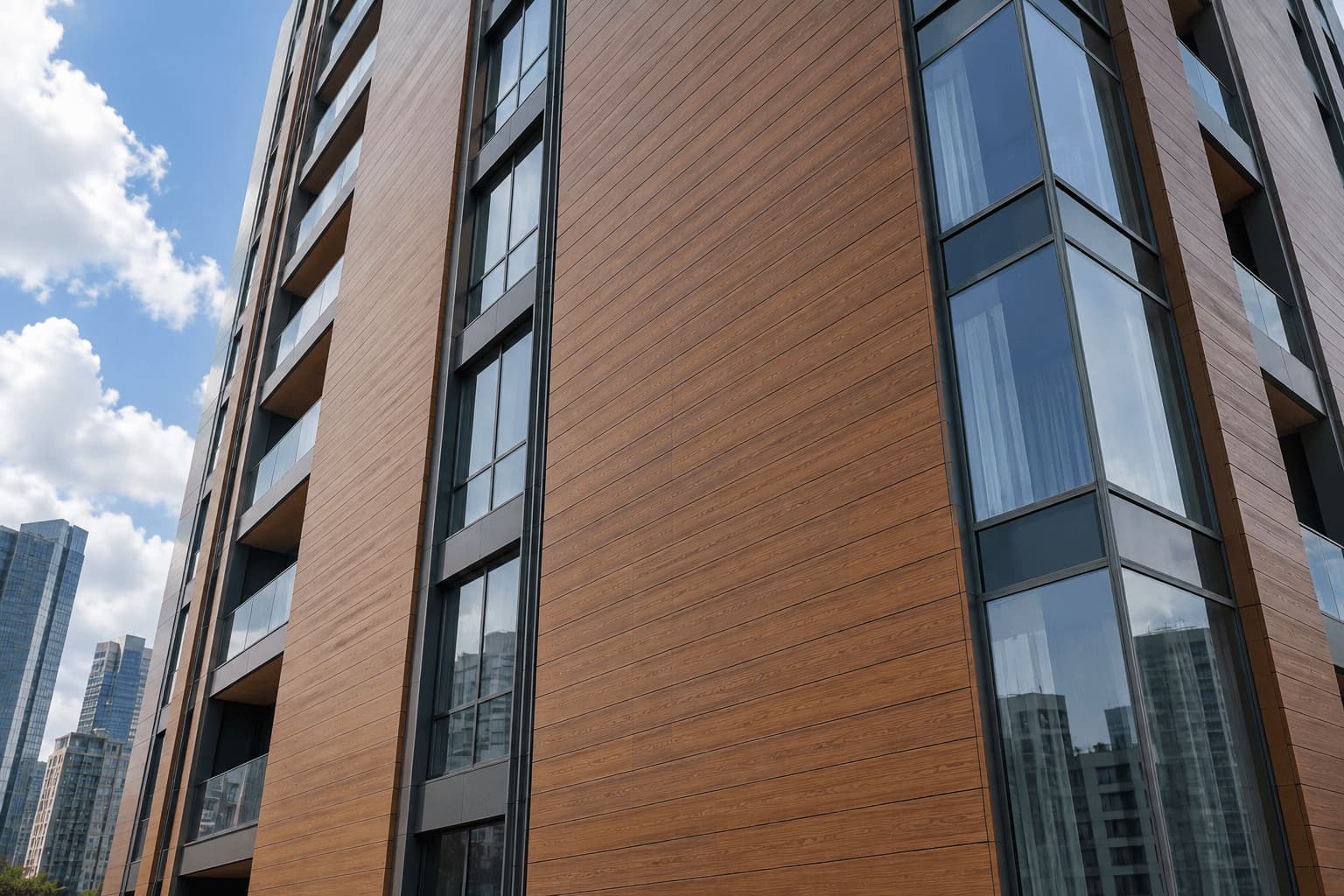
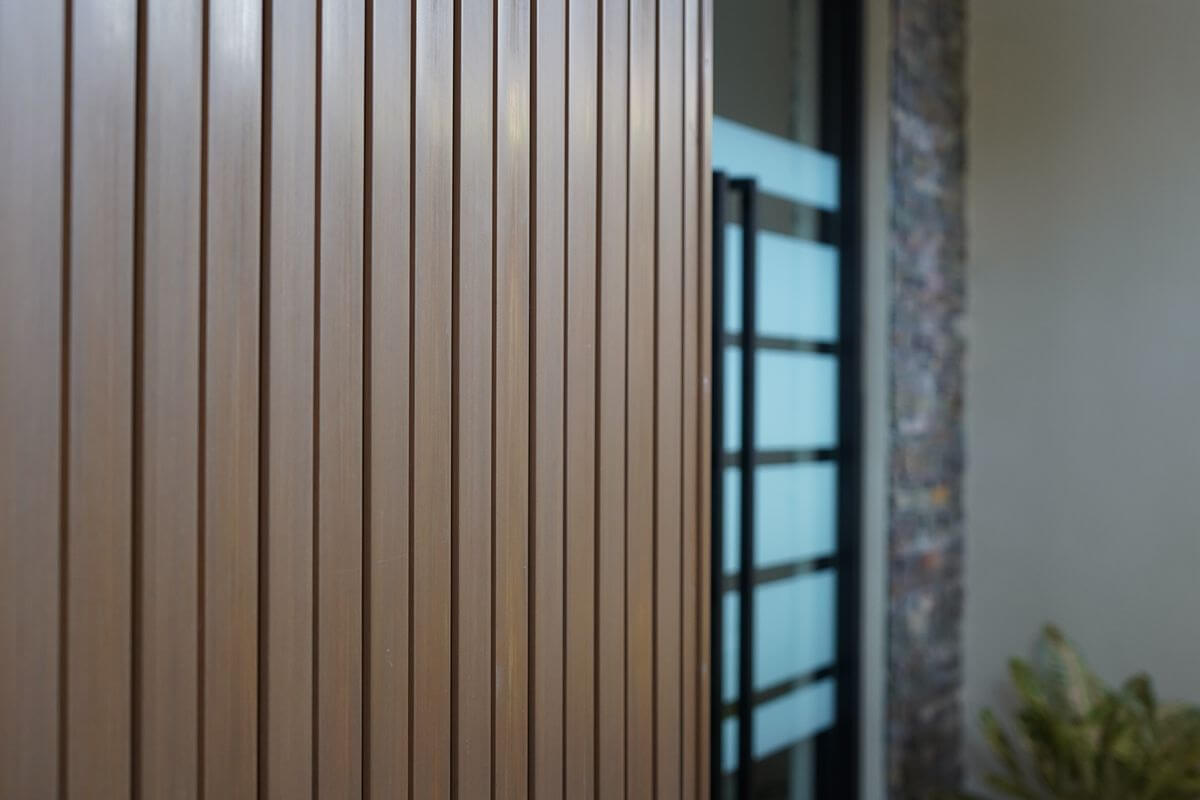
Why Natural Materials Raise Wall Cladding Prices—and How Composite Wood Offers a Cost-Efficient Alternative
Overview
- Natural timber cladding drives up costs due to strict sourcing laws, organic shifting, and endless maintenance cycles.
- In contrast, GRM Biowood’s composite wood offers a cost-efficient alternative.
- Its engineered durability, standardized installation, and low-upkeep design eliminate recurring expenses, allowing architects to achieve premium aesthetics and long-term financial predictability.
While natural wall cladding offers premium warmth and a connection to nature, its rising financial and sustainability challenges are driving architects toward alternative materials that preserve the desired aesthetic.
Understanding why natural materials raise wall cladding prices and how composite wood offers a cost-efficient alternative is essential to material selection in modern projects. Looking beyond appearance reveals the real factors that influence the true cost of a facade system.
At GRM Biowood, we help architects specify sustainable composite wood solutions that find the perfect balance between design flexibility and lasting value. Let’s discover what makes it a compelling alternative to traditional wood.
Why Natural Materials Drive Up Prices
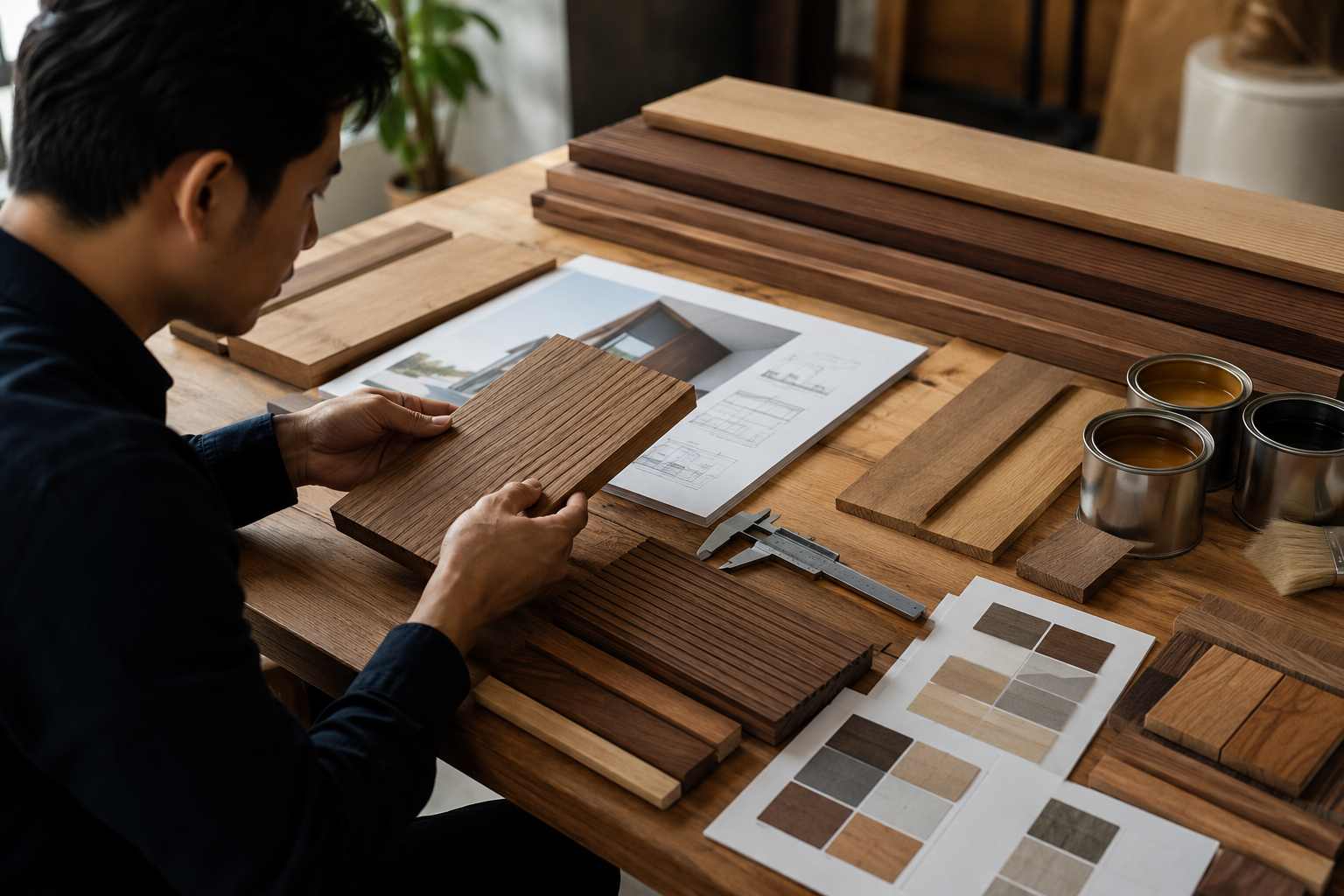
Natural wall cladding costs are influenced by several factors that require a substantially larger investment. Since they’re relatively high-maintenance and harder to acquire, they tend to drive up costs far more than engineered alternatives do.
Security and Sourcing
Obtaining quality raw timber is more complicated than it seems. Premium wood species rely on finite forest resources subject to environmental regulations and harvesting restrictions. In the Philippines, many suppliers of natural materials must comply with restrictions set by the Revised Forestry Code (Presidential Decree No. 705), which aim to prevent the illegal cutting of naturally grown trees on public forest land.
The need for responsible sourcing adds another layer of investment that architects must consider. Certified timber must comply with legal harvesting requirements and documented chain-of-custody processes, which increase production and administrative expenses. Even after procurement, achieving consistent quality often requires additional grading and material selection, further driving up project costs.
The Cost of “Living” Materials
The organic nature that makes natural timber visually appealing also makes it expensive. Because wood behaves as a living material—constantly shifting with changes in moisture and temperature—it demands complex architectural detailing and extensive, long-term maintenance planning.
Architects often compensate for these issues through more specialized fixing systems and carefully engineered installation methods. Depending on the project’s location, additional treatments may also be necessary to maintain its resistance to pests and fungal growth. These preventive measures protect the material but also increase the overall investment required for reliable long-term performance.
Bottomless Maintenance
The long-term expense of natural wall cladding rarely comes from a single major repair; instead, it accumulates over years of ongoing maintenance. Exposure to sunlight and rain gradually changes the appearance and condition of timber, making regular upkeep necessary to preserve both its aesthetics and structural integrity.
Maintaining natural cladding typically involves periodic cleaning or refinishing depending on the timber species. These recurring maintenance cycles require costly material replacements that continue throughout the building’s lifespan. These ongoing commitments often become just as significant as the initially specified budget.
How Composite Wood Offers a Cost-Efficient Alternative
Unlike natural wood, composite wood reduces the financial uncertainties associated with natural wall cladding. Instead of allocating large portions of the budget to maintenance over the building’s lifespan, composite alternatives help architects achieve greater budget certainty through their durability and lower lifecycle requirements.
Zone Recurring Maintenance
Composite wood’s main financial advantage is its engineered design, which eliminates the heavy upkeep required by natural timber. Built to withstand environmental exposure with minimal intervention, it allows architects to specify refined facades that look pristine without creating long-term maintenance obligations for building owners.
Instead of budgeting for ongoing upkeep, clients can redirect resources toward other building improvements while maintaining their desired architectural finish for years to come.
Superior Durability
By combining wood fibers with advanced polymer technology, composite materials resist moisture and warping far more effectively than conventional timber. Their engineered stability helps maintain both structural integrity and visual consistency even in changing weather conditions.
What makes composites so valuable is that their dimensional stability preserves clean façade lines and uniform panel alignment throughout years of exposure. They help create wall cladding solutions that not only support long-term architectural appeal but also reduce the likelihood of premature repairs.
Standardized Installation
Unlike timber, where moisture content variations require costly adjustments, composite wood panels are manufactured with uniform profiles and precise tolerances. This consistency simplifies planning and ensures high-quality results across large façade systems and different use cases.
Predictable dimensions also contribute to better coordination between designers, fabricators, and installation teams. With fewer unexpected adjustments during construction, projects are less likely to experience delays caused by material inconsistencies or excessive rework.
Long-Term Total Cost
While composite wood may not always be the lowest upfront investment, it significantly reduces many recurring expenses that persist after construction. The material’s lower maintenance requirements and longer-lasting performance create a more predictable and economical ownership experience in the long run.
For architects seeking to balance aesthetics, sustainability, and responsible resource allocation, composite wood offers a solution that supports all three objectives simultaneously.
Get Cost-Efficient Wall Cladding Options From GRM Biowood
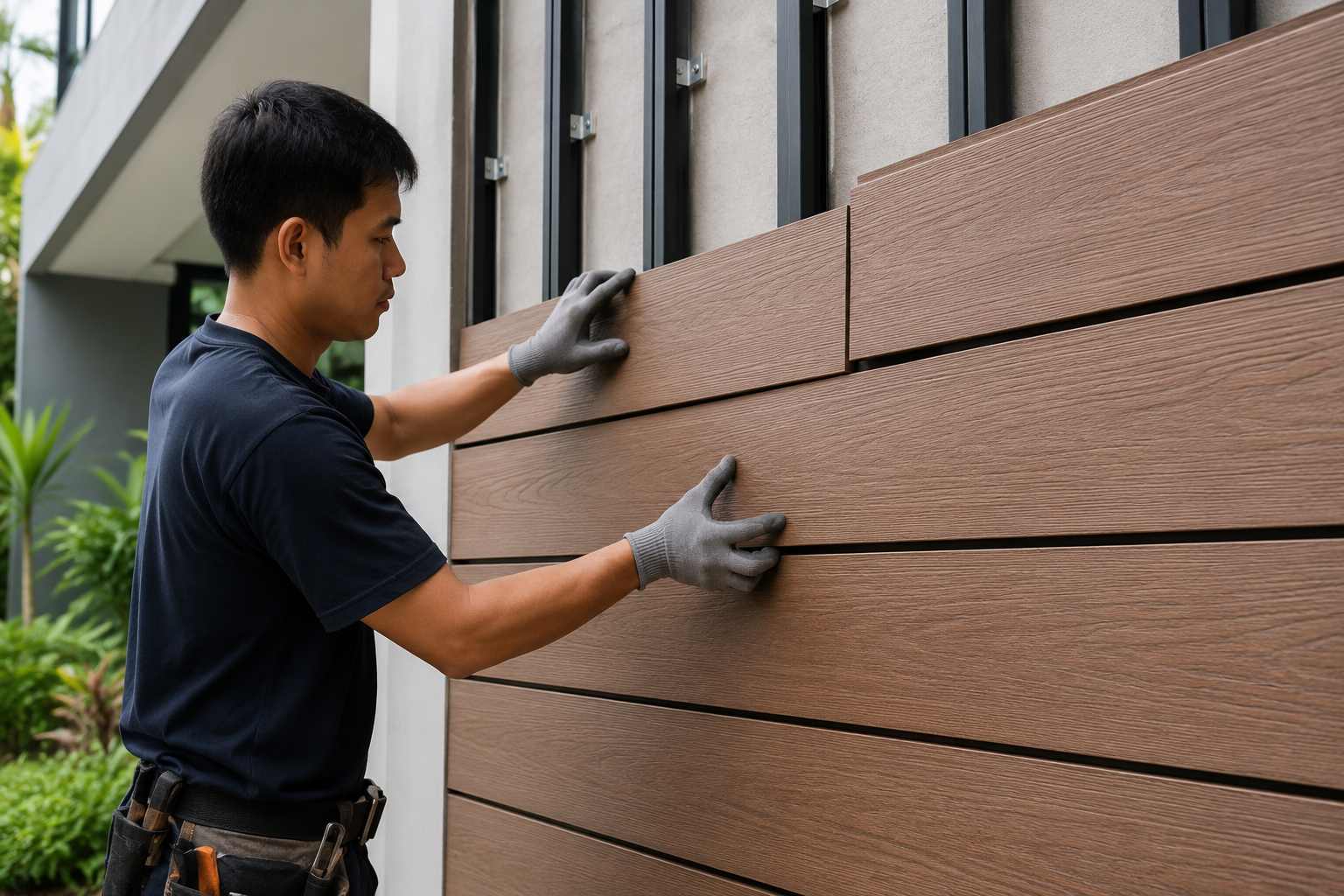
Creating sustainable architecture should never require compromise on impactful design, and GRM Biowood is committed to helping architects achieve both. Our premium composite wood wall cladding systems combine the timeless appearance of natural timber with reliable performance that meets modern architectural demands.
Designed for a wide range of developments, we manufacture high-quality composite materials that deliver consistent quality and design flexibility across a wide range of applications. With sustainable material innovation and technical expertise, GRM Biowood helps architects create beautiful spaces with lasting practicality.
Key Takeaway
Knowing why natural materials raise wall cladding prices and how composite wood offers a cost-efficient alternative allows architects to make decisions that enforce sustainability and lifecycle value throughout the project. When every specification contributes to both environmental responsibility and financial efficiency, material selection becomes a strong strategic advantage in building design.
GRM Biowood supports design professionals with composite wood wall cladding systems that are engineered for modern architectural developments. Contact us today to explore cost-efficient wall cladding solutions tailored to your next architectural project.