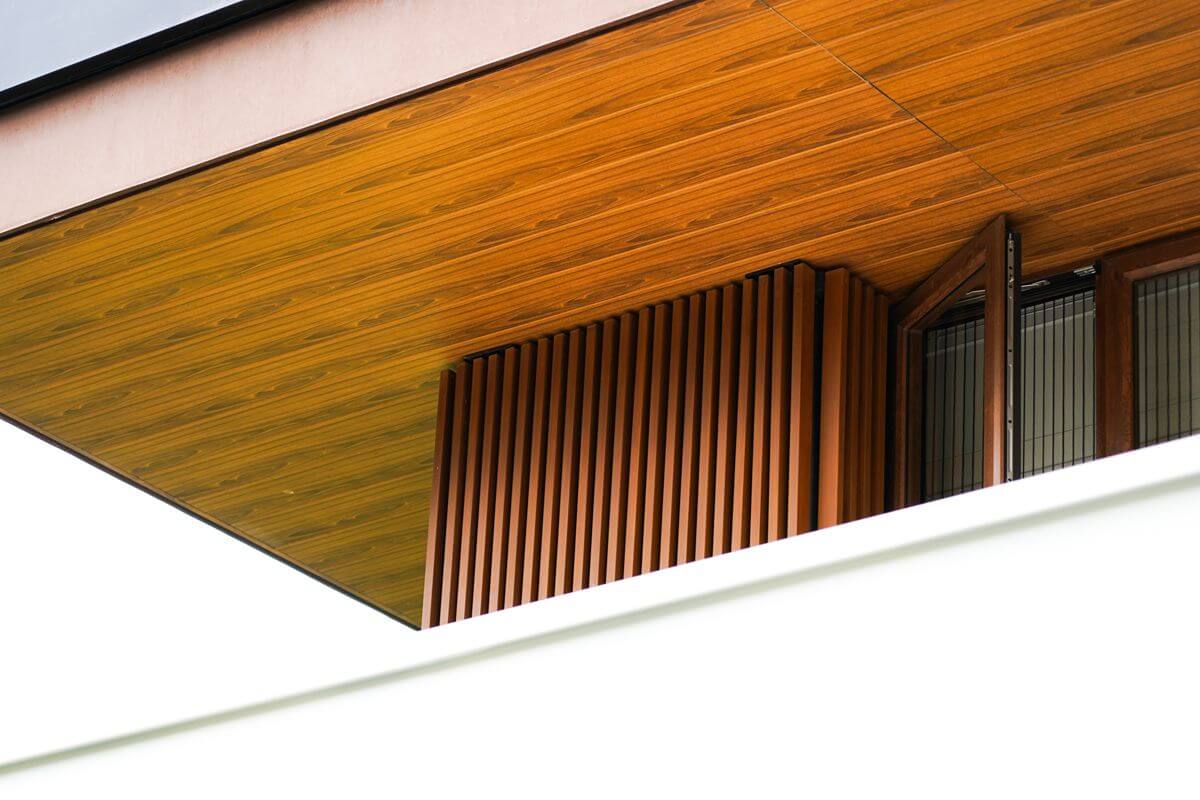
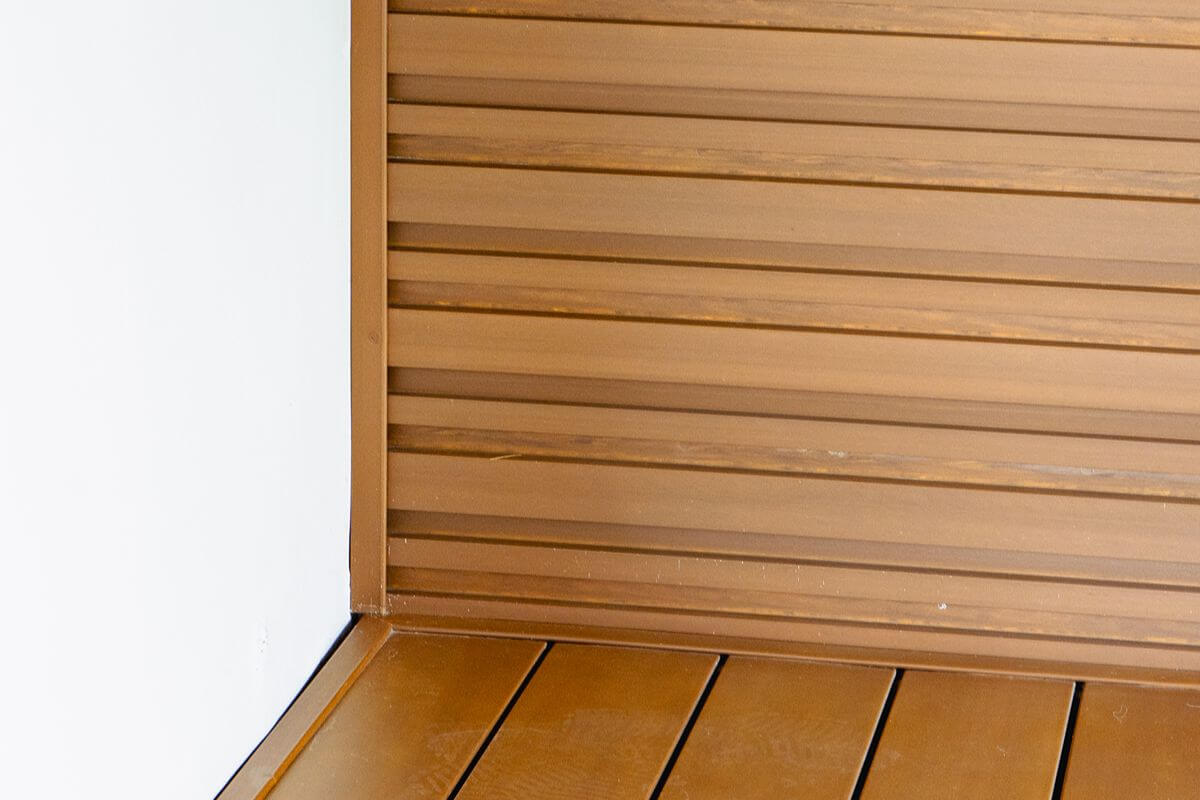
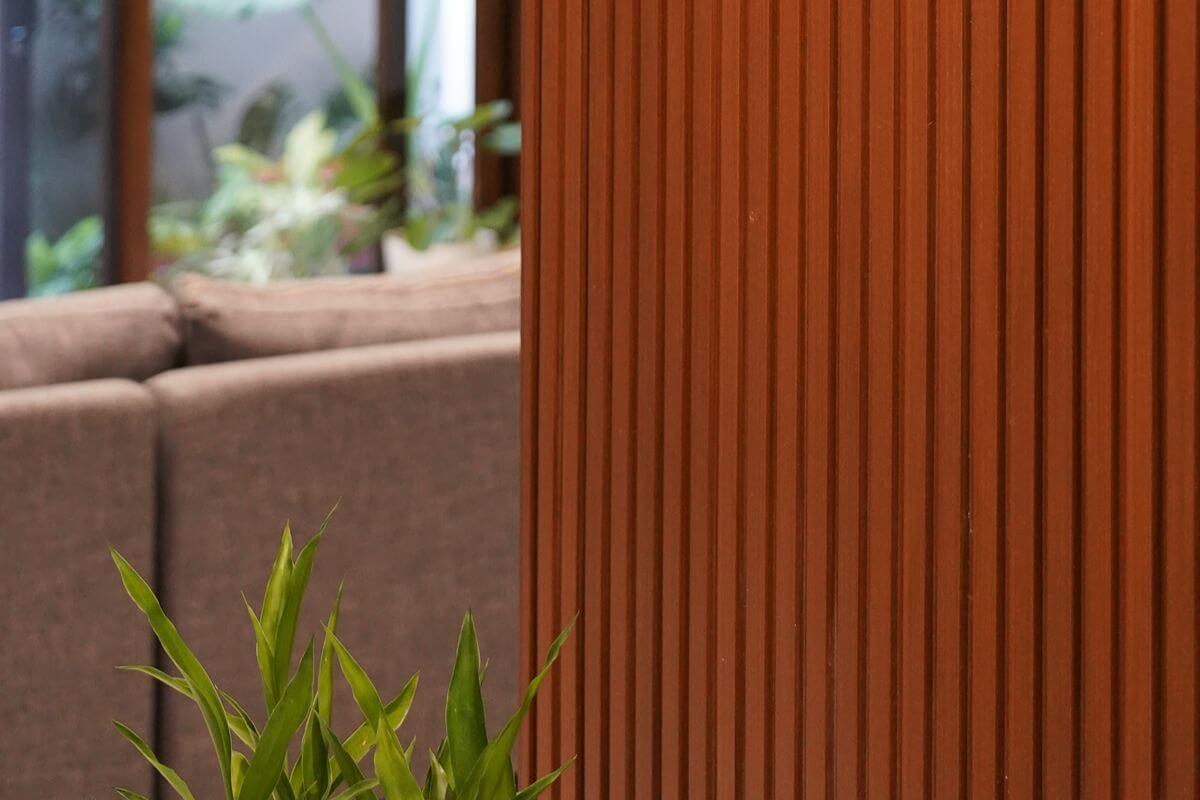
Why Wood Plastic Composite Wall Cladding Prevents Mold Growth Better Than Traditional Materials in the Philippines
Overview
- Wood-plastic composite (WPC) wall cladding prevents mold growth in the Philippines’ humid climate due to its zero moisture absorption, termite resistance, and crack resistance.
- Unlike traditional timber, WPC requires minimal maintenance, providing long-term structural protection.
- GRM Biowood offers premium WPC cladding panels engineered for reliable, elegant tropical home designs.
Exterior wall materials face relentless exposure to the Philippines’ ever-changing environmental conditions, making moisture management a critical consideration for any home upgrade. As a result, materials such as wood-plastic composite wall cladding have become a popular choice for wall cladding. But what exactly makes it ideal for humid conditions?
There are several reasons why wood-plastic composite wall cladding prevents mold growth better than traditional materials in the Philippines. Its ability to resist moisture and maintain durability with minimal upkeep makes it stand out as a reliable option for home design, for both its practicality and visual appeal.
GRM Biowood offers WPC wall cladding designed to withstand harsh environments while maintaining the refined appearance expected from premium residential properties. Let’s explore what makes it a preferred choice among households.
Why WPC Outperforms Traditional Materials
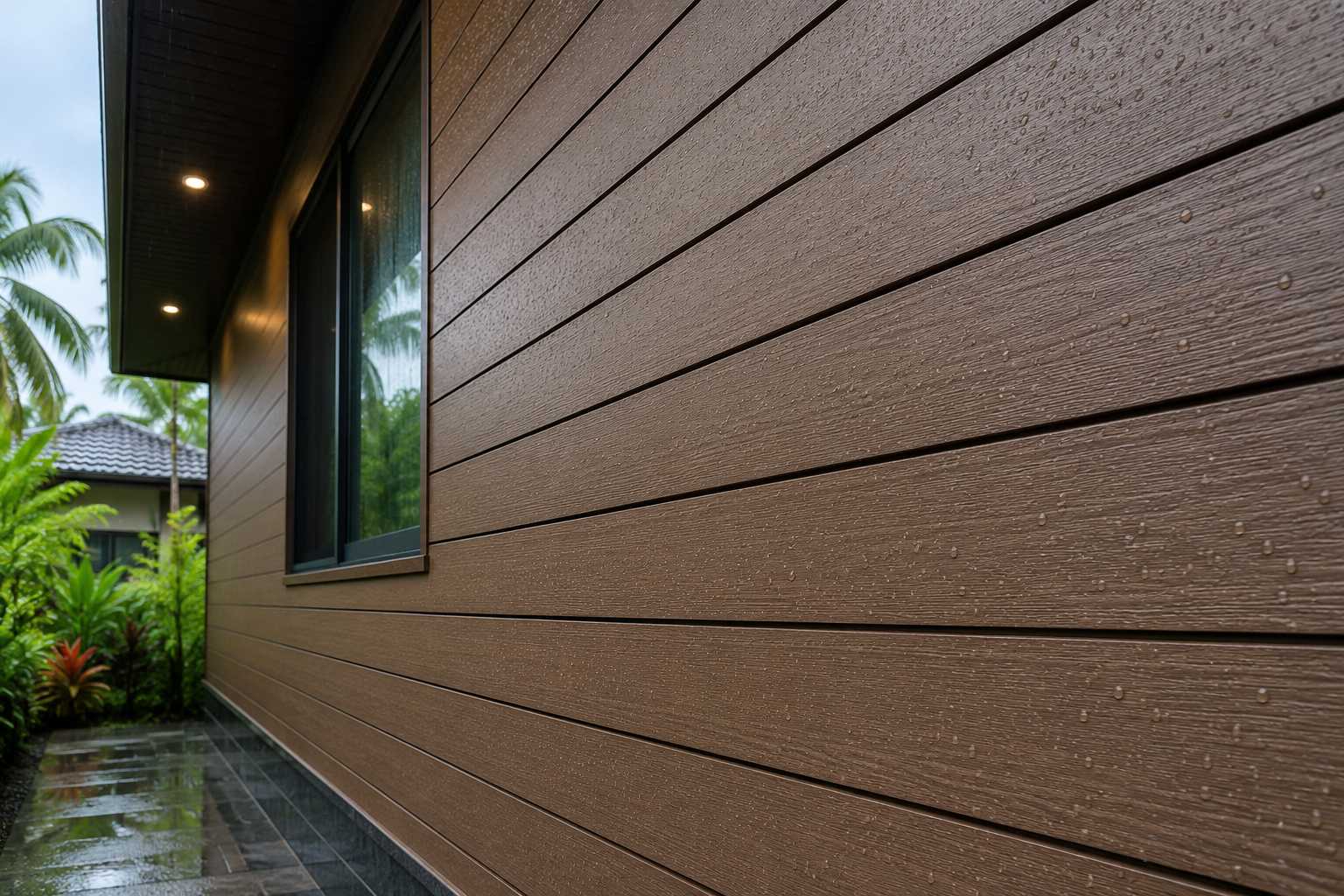
WPC significantly outlasts traditional materials due to its engineered composition and specific resistance mechanisms. It combines moisture resistance and stability into a single exterior system that minimizes the conditions mold requires to grow.
Zero Moisture Absorption
Moisture cannot fuel mold growth if it has nowhere to accumulate within the cladding. Unlike natural timber, wood-plastic composite is engineered to resist water absorption, preventing prolonged dampness that often develops after repeated rainfall. This significantly minimizes the opportunity for mold colonies to establish themselves on or behind the wall’s surface.
When cladding absorbs little to no moisture, less water migrates toward the structural wall, insulation, and framing behind it. Maintaining a consistently drier building envelope helps preserve both the home’s appearance and its long-term structural integrity despite the country’s tropical climate.
Inedible to Mold and Termites
Material composition is as crucial as moisture resistance in preventing biological decay. Because WPC contains no organic material for mold or termites to feed on, homeowners face significantly lower risks of fungal growth and pest damage.
This characteristic becomes highly valuable in warm, humid environments where mold spores and termites are most active throughout much of the year. By eliminating one of the essential conditions for biological infestation, WPC contributes to a cleaner, more durable exterior wall system. Homeowners can create facades that maintain their performance without relying on repeated chemical treatments.
No Cracking or Splintering
Maintaining a continuous protective surface is essential to keeping moisture out of the wall assembly. WPC resists cracking and splintering far better than many traditional materials, allowing the cladding to preserve its weather-resistant barrier over years of environmental exposure. Fewer surface defects mean fewer pathways for water intrusion.
Conventional materials degrade under constant sun, temperature shifts, and seasonal weather. While initial hairline cracks seem minor, they quickly become pathways for deep moisture intrusion. Because WPC retains its structural integrity over time, it consistently protects the building envelope without developing these age-related vulnerabilities.
Low Maintenance Requirements
Long-term mold prevention depends on consistent performance, not constant upkeep. Wood-plastic composite requires minimal maintenance because it does not require frequent sealing, staining, or repainting to maintain its moisture resistance. Homeowners spend less time addressing weather-related deterioration and more time enjoying their outdoor spaces.
Minimal upkeep eliminates delayed repairs that often mask hidden moisture damage. While traditional wood relies heavily on surface coatings to withstand wear and tear, WPC’s durability is engineered directly into the material itself. This inherent resistance ensures the cladding performs reliably between routine inspections without constant maintenance.
How Traditional Materials Perform in Harsh Environments
Natural wood. Fiber cement boards. Plywood-based cladding. Traditional exterior materials are still commonly used in Philippine homes, but they depend heavily on coatings and maintenance to remain stable. Over time, their susceptibility to moisture and surface degradation becomes more apparent.
Susceptible to Moisture
Many conventional cladding materials gradually absorb or retain moisture when exposed to high humidity. Once water penetrates porous surfaces, drying becomes slower, allowing damp conditions to persist for extended periods. This creates an environment where mold growth becomes increasingly likely if moisture remains unmanaged.
Natural wood is especially vulnerable because it readily absorbs water through exposed fibers and surface imperfections. Without timely intervention, water damage can spread beyond the cladding into the underlying wall assembly.
Prone to Cracking
Years of environmental exposure cause older materials to crack from constant expansion and contraction. These fractures compromise the wall’s protective barrier, letting rainwater seep deep into the assembly. Once moisture penetrates these damaged areas, severe, hidden deterioration can progress long before it becomes visible on the surface.
Patching isolated cracks only fixes immediate damage, as recurring structural movement creates ongoing maintenance demands. As the exterior ages, keeping it weather-resistant requires increasingly frequent inspections and repairs—making long-term upkeep a vital factor when comparing material performance.
Vulnerable to Mechanical Impact
Falling branches, accidental contact during maintenance, wind-driven debris—these can damage brittle materials and leave them with visible defects such as chips or fractures. These may compromise the wall’s ability to prevent moisture intrusion, especially on days with heavy rain or humidity.
Mechanical damage often accelerates other forms of deterioration by exposing previously protected layers. If repairs are delayed, damaged sections can become localized points where mold and moisture problems begin developing behind the exterior finish.
To summarize:
| Material | Moisture & Mold Resistance | Termite Resistance | Upkeep Required |
|---|---|---|---|
| Wood Plastic Composite (WPC) | High, non-porous, and resistant to rot | 100% immune | Minimal; only routine cleaning |
| Traditional Timber | Low; easily rots and absorbs water | Low; highly susceptible | High; needs regular sealing/painting |
Why Should You Choose GRM Biowood’s WPC Wall Cladding Panels?
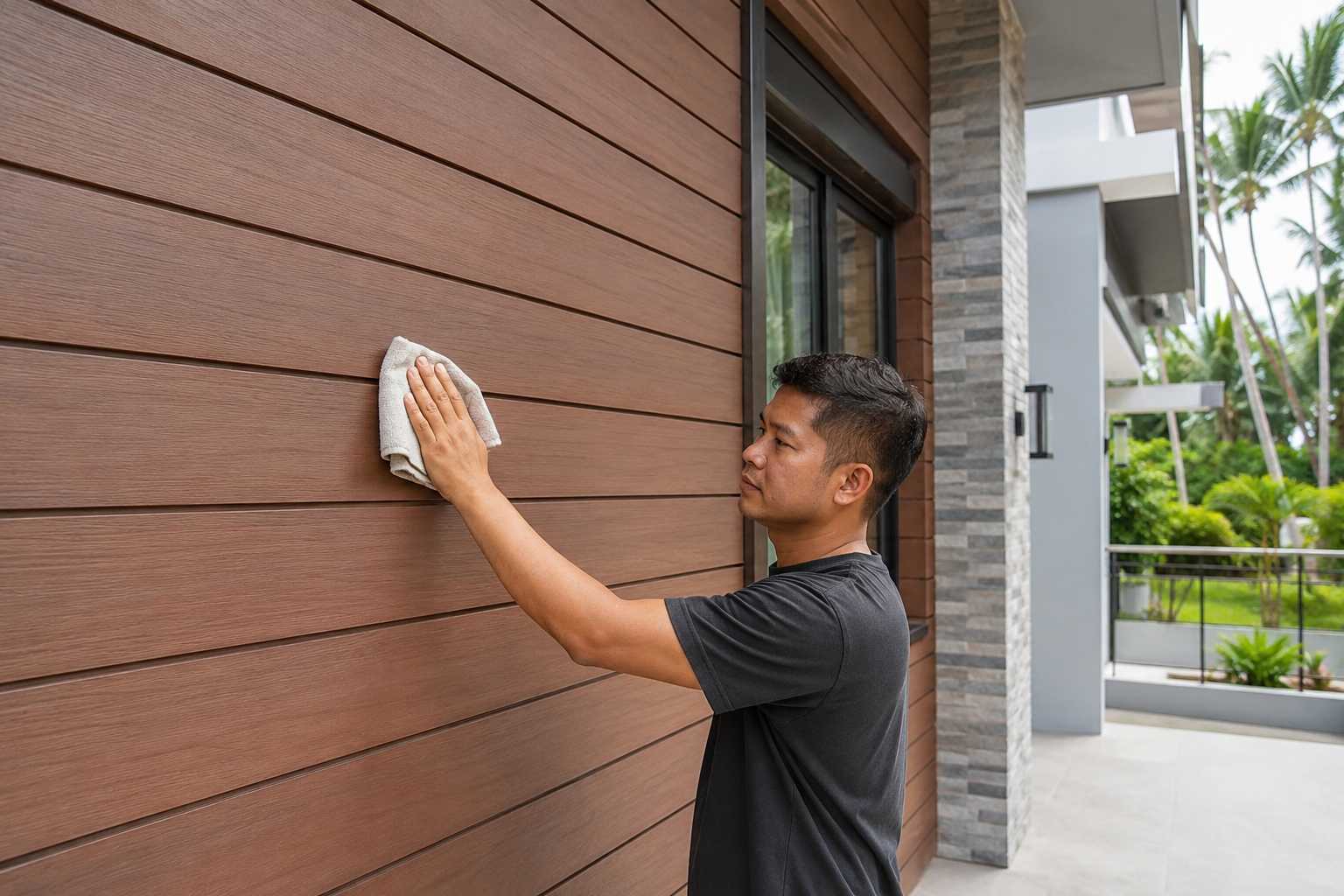
GRM Biowood Philippines offers premium WPC wall cladding engineered to give tropical homes both architectural elegance and lasting weather protection. This low-maintenance, moisture-resistant system supports healthier building envelopes across a wide array of customizable profiles and finishes. Ultimately, it allows homeowners to achieve their desired design vision without compromising on long-term exterior durability.
Key Takeaway
Choosing exterior wall cladding should involve evaluating how effectively a material manages moisture throughout its service life. Understanding why wood plastic composite wall cladding prevents mold growth better than traditional materials in the Philippines is the key to protecting not only the façade but also the long-term health of the entire building.
For homeowners seeking architectural elegance and dependable performance, GRM Biowood Philippines offers WPC wall cladding engineered for humid climates. Contact us today to find the perfect cladding solution for your home.