What Are The Factors Affecting The Cost Of Installing Exterior Wood Louvers In The Philippines?
Overview
- Installation costs for exterior wood louvers are influenced by various factors such as wood type, design complexity, installation challenges, hardware and finishing, and market demand or location.
- Premium options like GRM Biowood’s WPC louvers provide long-term value by resisting water, termites, and warping, simplifying installation, and reducing maintenance.
- This article breaks down these key considerations to help you budget smartly and make informed decisions for residential or commercial projects.
Budgeting for exterior wood louvers can be tricky, especially when unexpected costs arise during installation. Without knowing the key variables, homeowners and property developers risk overspending or compromising on quality.
The solution lies in understanding the factors affecting the cost of installing exterior wood louvers in the Philippines. These include material choice, design complexity, and labor or installation requirements. By planning around these considerations, you can achieve a durable, stylish, and cost-effective result.
In this article, we break down what drives costs to help you make informed decisions for any residential or commercial project.
Wood Type and Quality
Some cheaper louver options may save money at first, but can warp, rot, or attract termites over time. Why risk constant repairs when you can choose a higher-quality louver that lasts much longer?
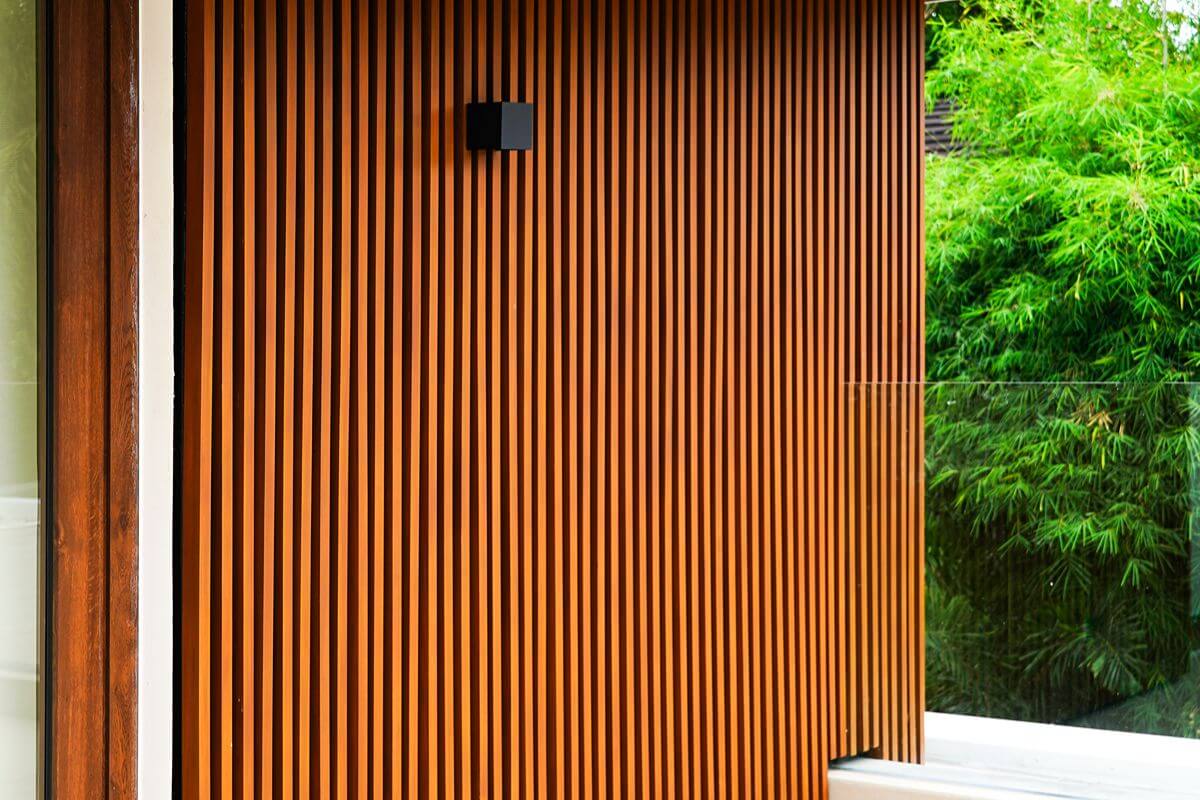
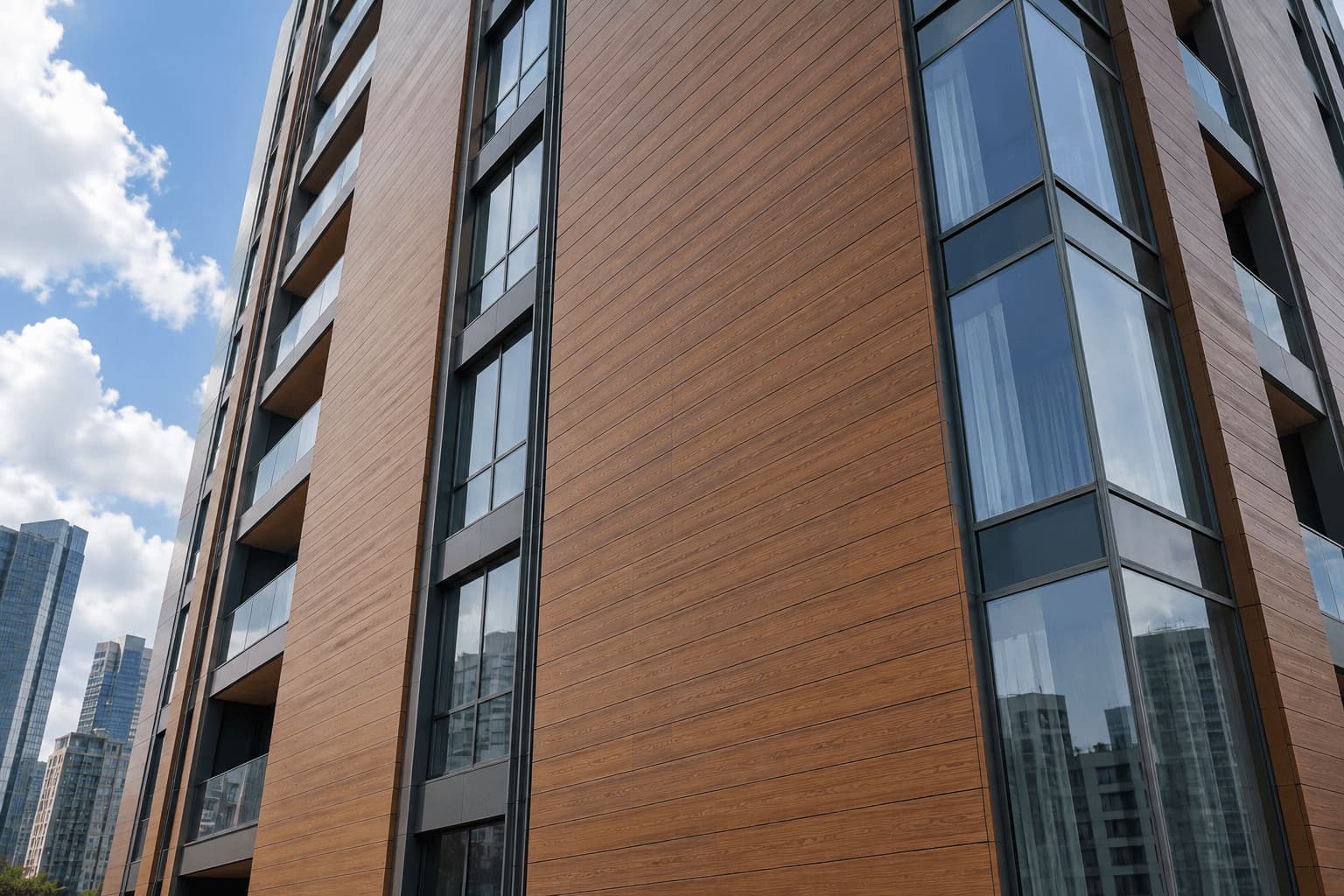
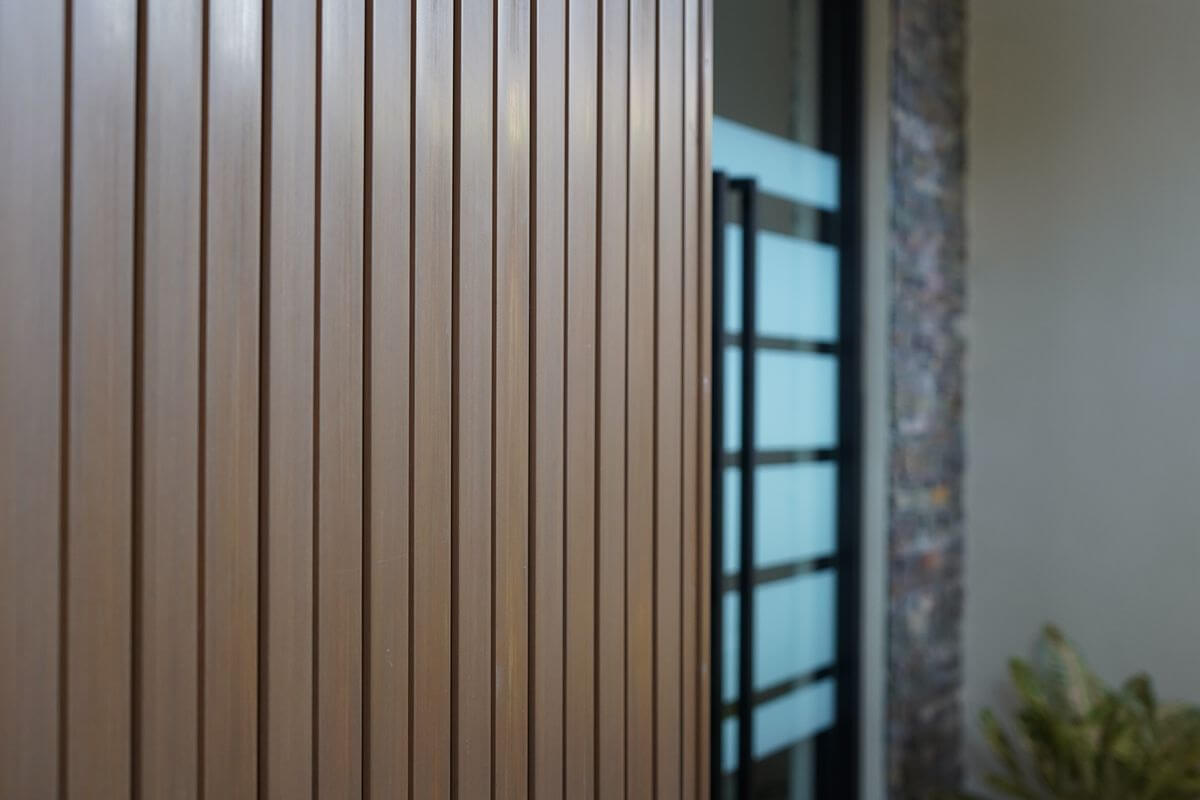
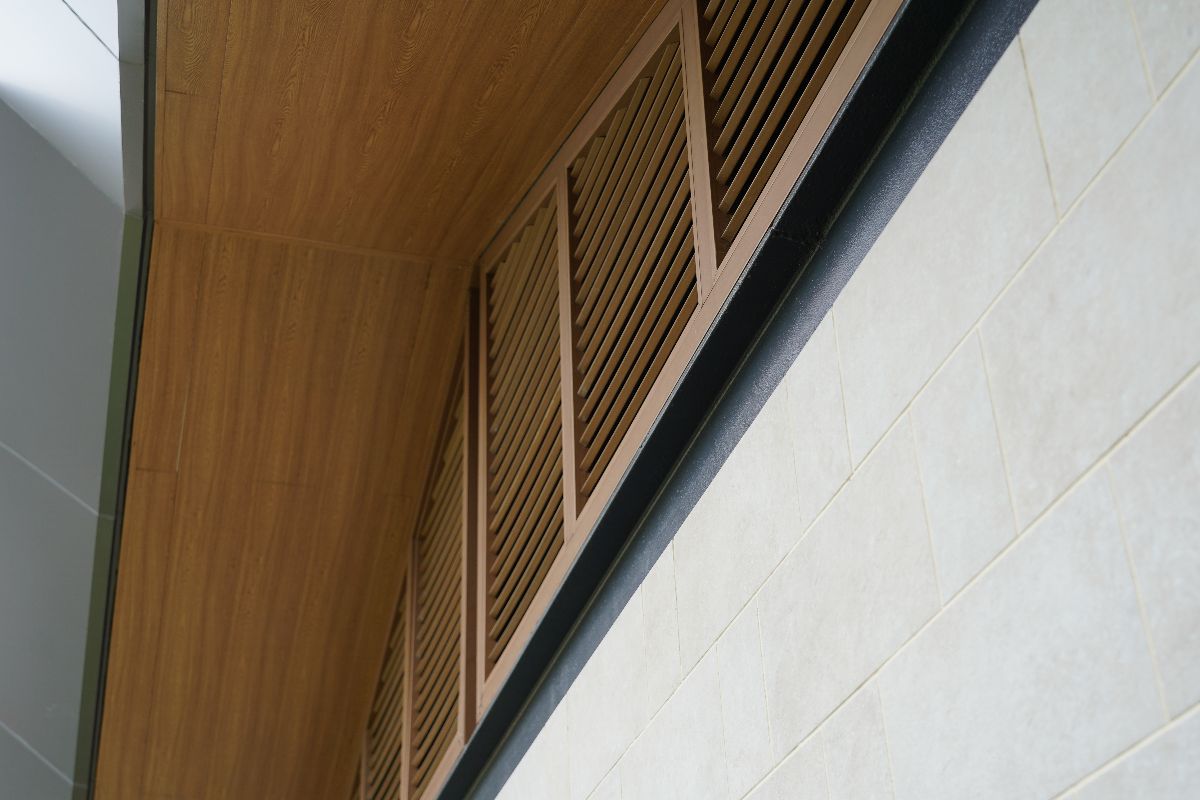
At GRM Biowood, wood louvers are made from wood-plastic composite (WPC), a durable material that looks like real wood but resists water, termites, and warping. They come in various sizes and are ideal for facades, shading, and ventilation in the Philippines’ humid conditions.
These wood louvers cost more than plain plywood or untreated wood, but the investment is worth it. You save on maintenance, avoid frequent replacements, and enjoy a long-lasting finish that withstands tropical weather.
Design Complexity
Basic fixed louvers are usually more affordable because they are easier and faster to install. However, custom patterns or adjustable louvers require more planning, precision, and labor, which can increase project costs.
Some limited wood louver manufacturers help manage these costs by offering standard sizes that fit most building designs. These ready-made profiles reduce the need for fully custom fabrication, so builders can install louvers with simple adjustments rather than building everything from scratch.
Materials such as wood-plastic composite are easier to cut and shape during fabrication. This makes it simpler to achieve curved or decorative designs while reducing excessive material waste.
Installation Difficulty
When louvers are installed on upper floors, irregular surfaces, or other hard-to-reach areas, the work becomes more complex and time-consuming. These situations often require additional safety measures, specialized equipment, and more careful alignment, which can increase labor expenses.
Access challenges are a major reason costs rise. For example, elevated installations may require scaffolding, boom lifts, or cherry pickers, along with safety harnesses and fall-protection equipment for workers. Tight corners, vaulted ceilings, or narrow spaces can also slow the process, as installers may need specialized tools and additional manpower to position long louver panels accurately.
GRM Biowood’s lightweight composite structure simplifies installation compared to heavier timber systems. Its dimensional stability helps maintain proper alignment and supports long-term performance, even in environments with fluctuating temperature and humidity.
Hardware and Finishing
Rust-resistant fasteners such as stainless steel screws, clips, or tracks are often recommended. While they can increase installation costs, they provide better protection against moisture and humidity.
For smooth adjustment and airflow, additional hardware, such as hinges, pivots, or motorized actuators, may be required. These mechanisms can increase the overall project cost compared to fixed wood louvers.
In addition to hardware, protective finishes—such as UV sealants or advanced coatings—can slightly increase installation costs. However, they help safeguard louvers against fading, mold, and water damage.
Some wood louvers, especially WPC, already come with built-in protective layers for enhanced durability. They require no extra finishing yet still provide reliable performance in humid Philippine conditions.
Market Demand and Location
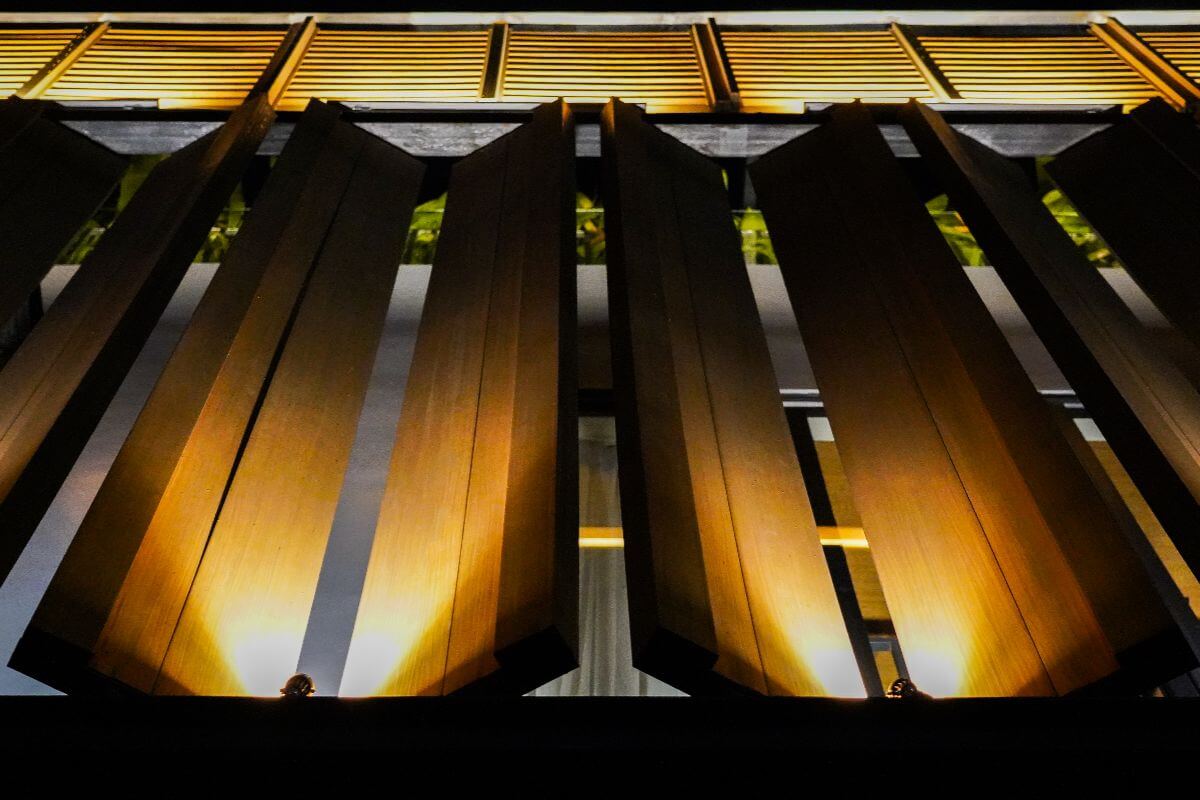
High-demand periods—such as renovations, new modern homes, or coastal developments—can strain local suppliers. This can result in 10–30% price markups during peak seasons.
Location-specific factors further influence costs. For example, coastal or upscale residential areas often need specialized transport, crane access, and compliance measures to ensure humidity-resistant installations. Modern designs in these areas frequently specify premium WPC louvers, which can increase material costs in competitive bids.
Early procurement and bulk purchases allow homeowners and developers to secure base pricing before demand spikes. This helps ensure both cost efficiency and timely project completion.
Key Takeaway
Understanding the factors affecting the cost of installing exterior wood louvers in the Philippines is essential for homeowners and developers who want durable, stylish, and low-maintenance results.
Choosing premium materials, planning for design complexity, and accounting for labor, hardware, and location-specific considerations can save time and money in the long run.
At GRM Biowood, we provide high-quality WPC louvers that combine reliability with aesthetic appeal. Contact us to learn how our solutions can help you achieve your ideal façade without compromise.