Installation Guide: Setting Up Automated Wood Louvers
Overview
- Automated wood louvers combine elegance, natural ventilation, and climate control for modern architecture.
- Proper planning, accurate measurements, durable materials, compatible motors, and smart controls ensure smooth operation, efficiency, and longevity.
- Professional installation is recommended for complex projects. GRM Biowood offers eco-friendly, low-maintenance wood-composite louvers for sustainable, high-performance spaces.
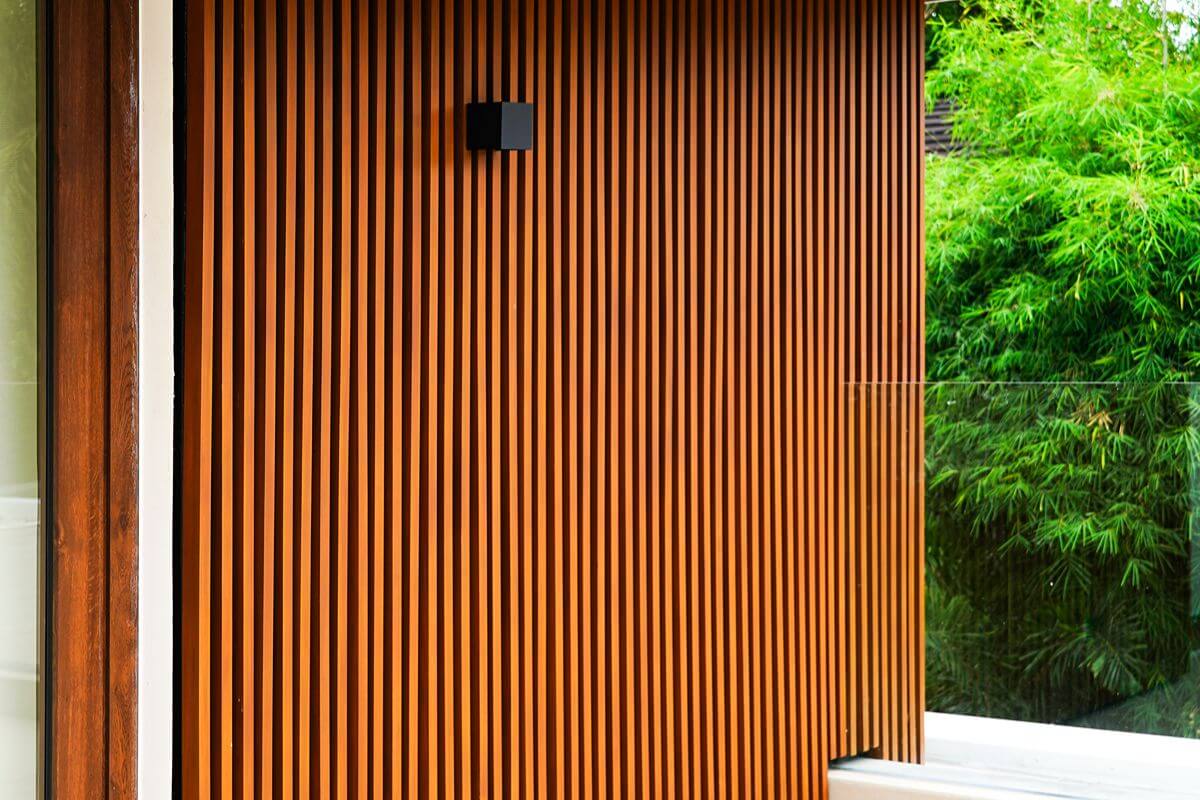
Modern architecture increasingly demands solutions that combine elegance, efficiency, and convenience. Automated wood louvers deliver all three, offering adjustable shading, natural ventilation, and smart climate control.
Understanding how to set up automated wood louvers ensures that these systems operate smoothly, maintain their aesthetic appeal, and perform reliably over time.
GRM Biowood offers durable, eco-friendly wood-composite louvers that provide timber’s warmth and texture while ensuring low maintenance and sustainable construction.
What You Need Before Installing Automated Wood Louvers

Before starting installation, proper planning and preparation streamline the process and prevent potential challenges.
Measurements and Planning
Accurate measurements are crucial before ordering louvers. Measure height, width, and depth, accounting for wall thickness, overhangs, and motor clearance. Proper planning ensures smooth pivoting and correct frame alignment.
Factor in wind, rain, and sun exposure to select suitable motors and protective housing for long-term durability.
Materials and Tools Checklist
A successful installation relies on the right tools and materials. Typical requirements include:
- Automated wood louver panels
- Motor assembly and mounting brackets
- Control system modules and wiring harness
- Drill, screws, and anchors suitable for structural surfaces
- Level, tape measure, and alignment tools
- Safety equipment: gloves, goggles, and harnesses for elevated work
Using high-quality materials reduces maintenance needs and ensures longevity.
Power and Control Requirements
Automated louvers need a reliable power source and compatible controls. Choose between integration with smart home systems or standalone timers and switches.
Ensure safe electrical access and verify voltage and load compatibility. Matching motors to the louver’s weight and size improves energy efficiency.
How to Select the Right Components for a Durable, Automated System
Choosing robust, compatible components ensures reliability, smooth operation, and reduced maintenance.
Choosing the Motor Type
Select a motor type based on the louver’s weight and intended motion:
| Motor Type | Best For | Pros | Limitations |
|---|---|---|---|
| Linear Actuator | Heavy or wide louvers | Strong, precise | Requires more space |
| Rotary Motor | Lightweight louvers | Fast, compact | Lower torque |
| Concealed Motor | Premium minimalist designs | Hidden hardware | Higher cost |
Weatherproofing and Durability Specs
Louvers, particularly those exposed to outdoor conditions, must withstand moisture, UV radiation, and temperature fluctuations. Choose motors with IP54 or higher, stainless-steel fasteners, and corrosion-resistant brackets.
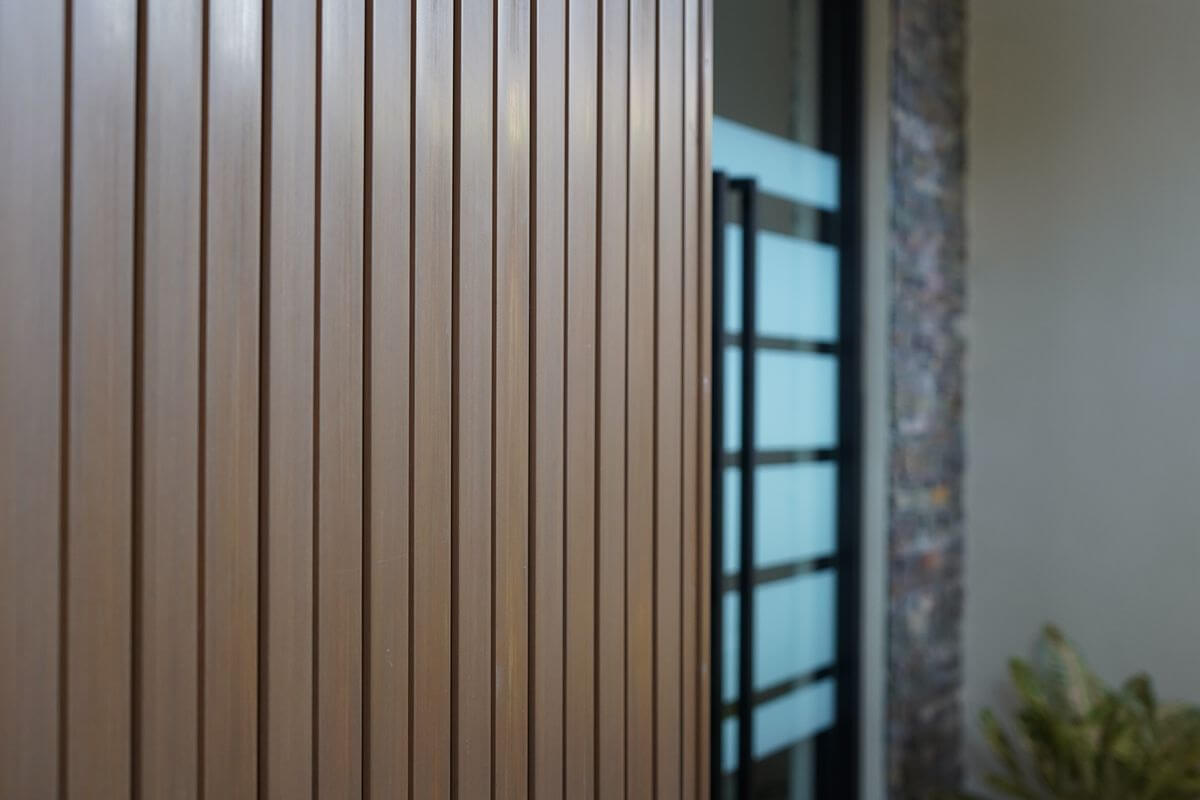
For the louvers themselves, a wood-composite solution offers termite resistance, moisture stability, and a long-lasting finish without the drawbacks of natural wood.
Compatible Control Systems
Control options vary from simple wall switches to advanced integration with building management systems (BMS) or smart home apps.
Evaluate your project requirements: do you need preset ventilation schedules, rain sensors, or remote operation? Compatibility with your chosen motor is key to seamless automation.
Preparing the Frame and Louvers for Automation
Proper preparation avoids strain on motors and mechanical components, ensuring longevity.
Structural Reinforcement Requirements
Ensure that frames can support both louver weight and motor torque. Reinforce weak studs or mounting surfaces, and use brackets or cross-beams as needed. Strong support prevents sagging and uneven movement over time.
Alignment and Pivot Preparation
Louvers must sit parallel with uniform spacing. Check manual rotation to confirm smooth movement before attaching motors. Pre-drilling pivot holes and aligning brackets carefully reduces wear and friction.
Ensuring Long-Term Smooth Movement
Lubricate pivot points and confirm that bearings or hinges operate quietly. Installing louvers with consistent spacing reduces friction and prevents wear.
Step-by-Step Installation Process
Once planning is complete and components are selected, the installation proceeds in a systematic sequence.
- Mounting the Louvers
Install the louver blades onto their pre-prepared frames using the designated pivot pins. Double-check the alignment and ensure all blades move freely by hand before introducing the mechanical linkage.
2. Installing the Motor Assembly
Mount the linear actuator or motor housing to the main structural frame. The motor must be positioned to align perfectly with the primary driving arm of the louver linkage system, ensuring the force is applied directly and without side-loading the motor shaft.
3. Wiring and Power Integration
Run the dedicated power and control wiring from the control unit to the motor. All exterior connections must utilize waterproof junction boxes and sealed cable glands to maintain the motor’s IP rating.
4. Securing Linkages and Final Alignment
Connect the motor’s drive arm to the linkage that simultaneously moves all louver blades. Use high-grade fasteners. The connection must be rigid, with no play, to ensure immediate and accurate response to control inputs.
5. Configuring Travel Limits and Motor Settings
This is the most critical step for automation. Using the control system interface:
- Set the Open Limit: Define the maximum extent of the blade’s rotation (e.g., 90 degrees).
- Set the Closed Limit: Define the point where the blades fully overlap to ensure complete closure.
These limits prevent the motor from over-rotating or stalling, which protects the motor and prolongs the lifespan of the entire system.
6. Setting Up Smart Controls and Automation
Integrate sensors and programming for automated schedules. Use sun-tracking, wind, or rain triggers to optimize comfort and reduce manual intervention. Always include manual overrides for safety and reliability.
When to Hire Professional Help

DIY installation works for small projects, but large or complex systems benefit from professional expertise. Experts ensure structural support, electrical safety, and precise alignment, reducing downtime and extending louver lifespan.
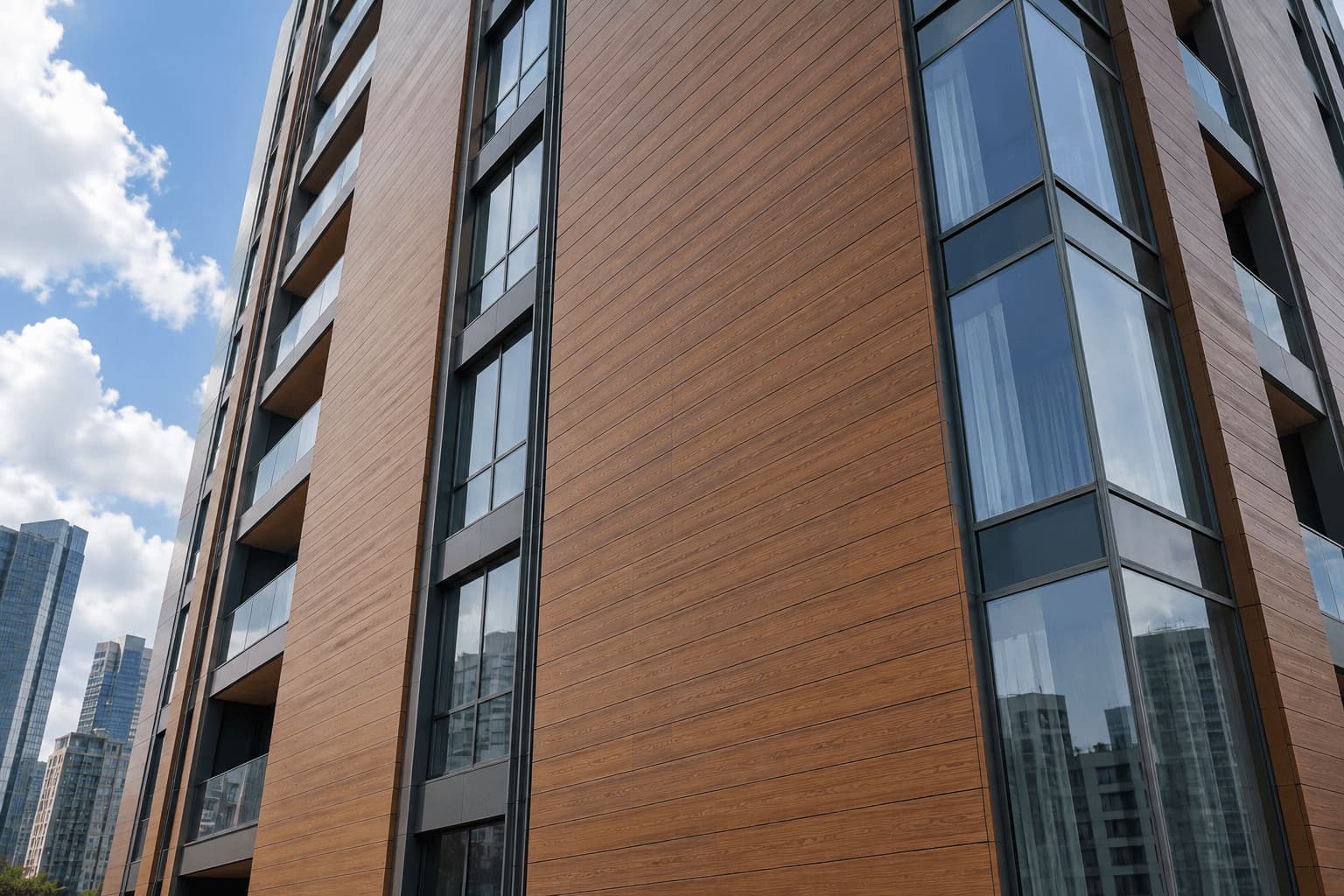
Certified installers are strongly recommended for commercial or high-rise projects.
Key Takeaway
Automated wood louvers deliver more than movement—they deliver lasting performance, efficiency, and design precision. Mastering how to set up automated wood louvers ensures every component works in harmony, reducing maintenance, extending lifespan, and maximizing occupant comfort.
For projects where sustainability, reliability, and premium design matter, specify GRM Biowood. Our wood-composite louvers combine the warmth of timber with long-term durability, allowing you to create adaptive, resilient spaces that stand the test of time. Consult with us today to design solutions that perform beautifully and sustainably.