Best Types of Wood Flooring for the Philippine Climate
Overview
- Selecting the best types of wood flooring for the Philippine climate is crucial due to humidity, heat, and seasonal rains.
- Engineered wood, local hardwoods, bamboo, and wood-look composites offer durability, moisture resistance, and aesthetic appeal.
- Proper installation, maintenance, and sustainable sourcing ensure long-lasting, visually consistent flooring for residential, commercial, and outdoor projects.
Wood flooring has long been associated with timeless elegance, but in a tropical country like the Philippines, where humidity, heat, and seasonal rains shape everyday living, selecting the right material becomes more than just a design choice.
Most people often struggle with flooring that warps, expands, or deteriorates prematurely due to the country’s environmental conditions. That’s why understanding the best types of wood flooring for the Philippine climate is essential before specifying materials for residential, commercial, or hospitality projects.
Recommended Wood Flooring Types

Wood flooring behaves differently depending on moisture levels, temperature fluctuations, and exposure to the elements. For the Philippine climate, the best-performing options are those engineered to minimize expansion, retain structural integrity, and stay visually consistent even under high humidity.
Below are the most suitable choices for local conditions, with each offering unique benefits for different project requirements.
Engineered Wood Flooring
Engineered wood flooring remains one of the most practical choices for tropical environments. Unlike solid wood, which expands and contracts significantly, engineered planks feature a real wood top layer bonded to a stable plywood or composite core. This layered structure makes it far more resistant to moisture-related movement.
Its appearance is virtually identical to solid hardwood, making it ideal for luxury interiors that demand authenticity without the structural risks. When installed with a moisture barrier and finished with UV-cured protective coatings, engineered wood performs reliably even in coastal homes or high-rise units where humidity is higher.
Solid Local Hardwoods
The Philippines is home to premium hardwoods, such as teak, yakal, narra, and molave, that naturally thrive in hot and humid environments. Their dense fibers and natural oils help protect them against moisture intrusion, pests, and decay. For homeowners seeking a premium, classic look, solid hardwood remains unmatched in warmth, richness, and longevity.
However, solid hardwood also demands commitment. Proper acclimation before installation is essential, as freshly delivered wood reacts quickly to ambient humidity. Professional sealing and routine maintenance, particularly in high-moisture areas, are necessary to prevent warping or surface damage.
For projects where solid hardwood is preferred, but the environment is especially moisture-prone, many designers specify Biowood in outdoor or semi-exposed areas. At GRM Biowood, our composite boards offer the look of natural timber but eliminate concerns over swelling, rotting, or termite activity.
Bamboo Flooring
Bamboo flooring has gained popularity for being both eco-friendly and performance-driven. Engineered bamboo (strand-woven or laminated) is particularly suitable for tropical climates because it is naturally moisture-resistant and structurally stable.
Bamboo also regenerates faster than traditional timber, making it a sustainable choice for green buildings. Its clean, contemporary aesthetic fits well with resort-inspired interiors, wellness spaces, and modern residential homes.
Because bamboo shares similar density and stability characteristics with hardwood, it performs well in humid environments, especially when paired with proper subfloor treatment and ventilation.
Wood-Look Alternatives
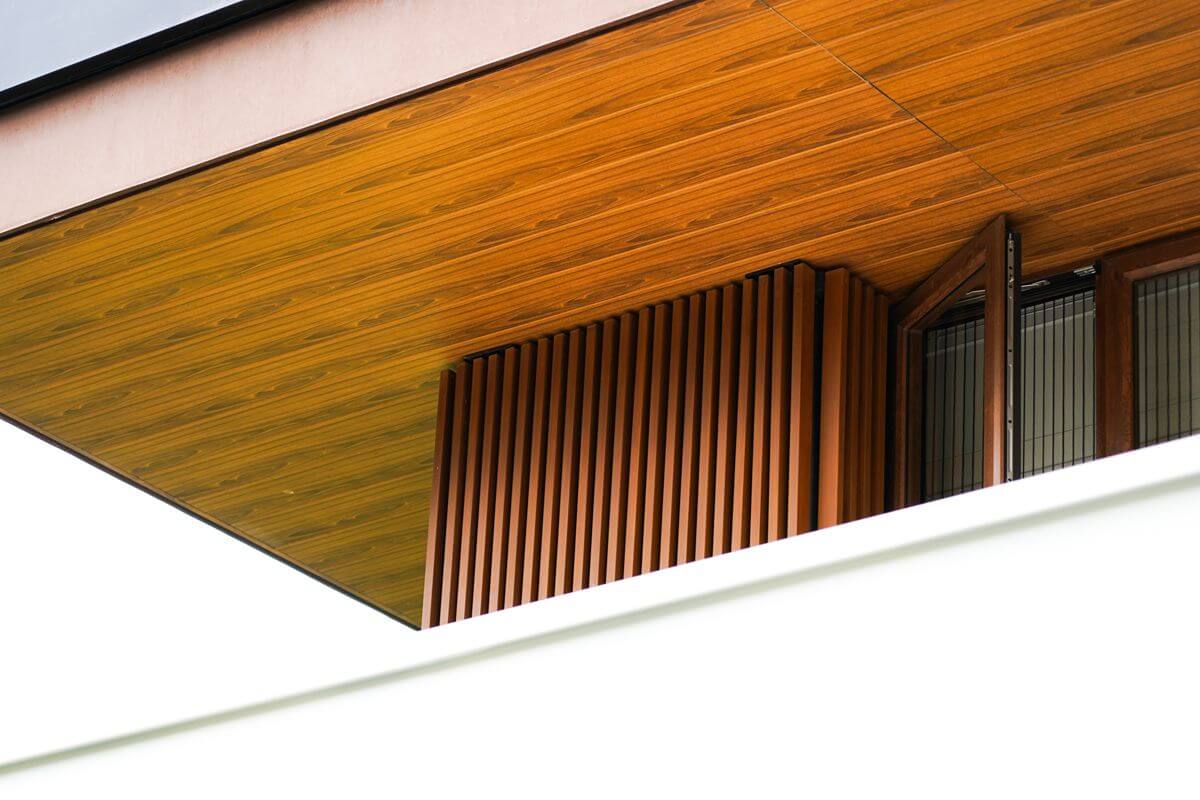
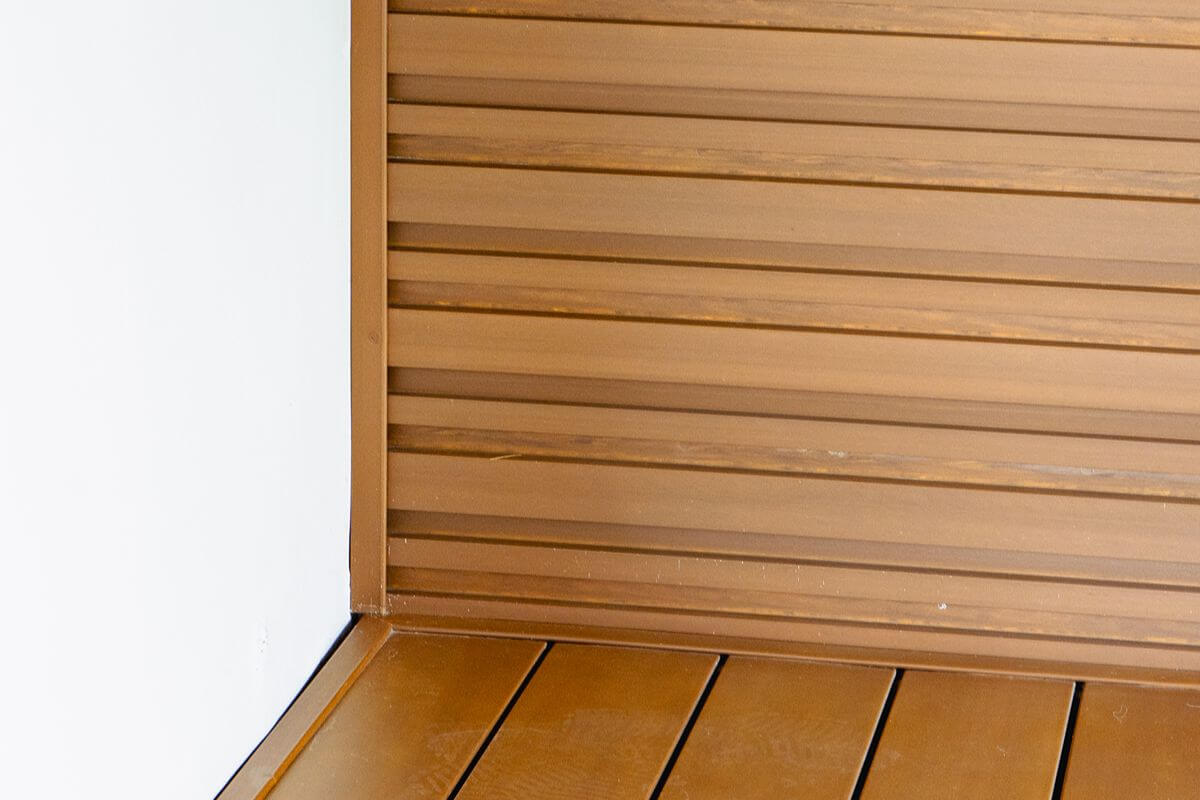
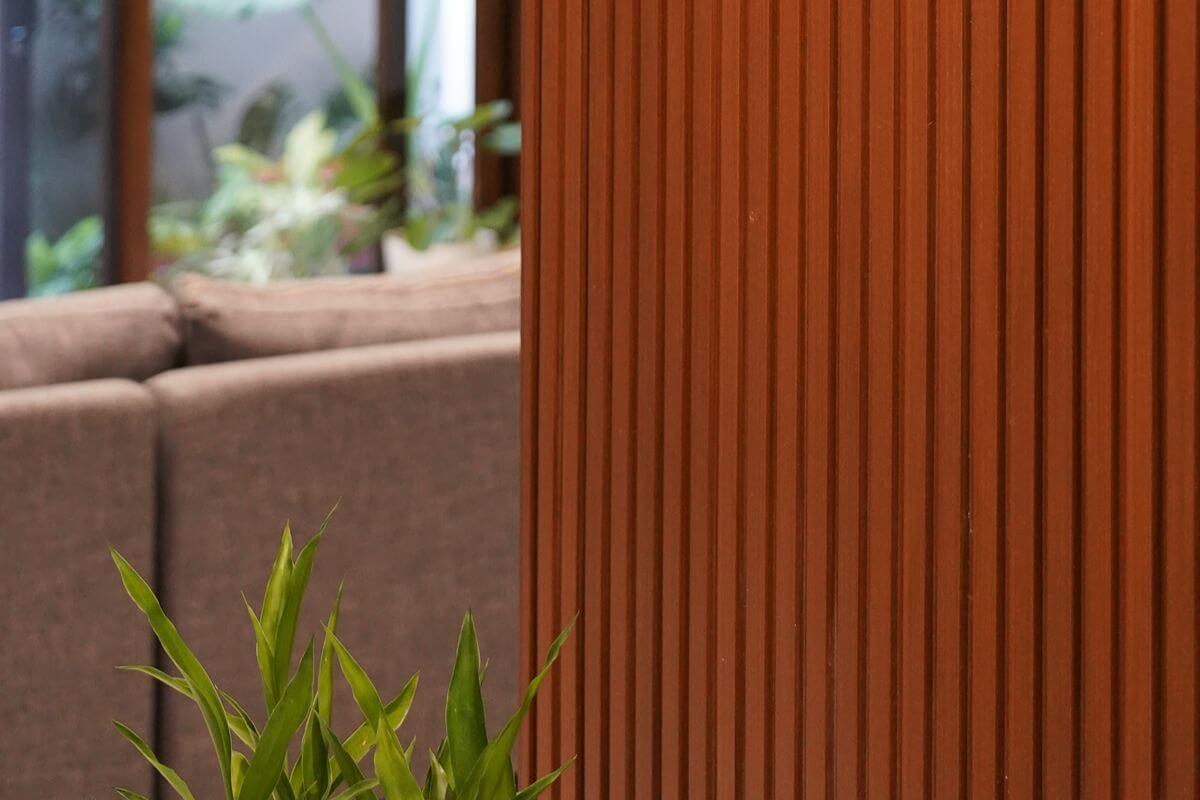
While natural wood offers unmatched warmth, some environments require materials that exceed the durability of organic timber. This is where wood-look engineered alternatives come in, especially Wood-Plastic Composite (WPC) materials.
At GRM Biowood, we specialize in sustainable WPC profiles made from 70% reconstituted wood and 30% polymer, engineered to withstand moisture, termites, and harsh outdoor exposure.
These products provide the natural appearance of wood without the typical drawbacks: no rotting, no warping, and significantly lower maintenance demands. Such alternatives are ideal for:
- Coastal homes facing salt air and high humidity
- Resort decks exposed to sun and rain
- Outdoor walkways, balconies, and architectural accents
- High-rise exterior features requiring long-term structural integrity
They offer the warmth of wood with the durability required for Philippine conditions—especially in high-moisture or high-temperature environments.
Key Considerations for Tropical Homes
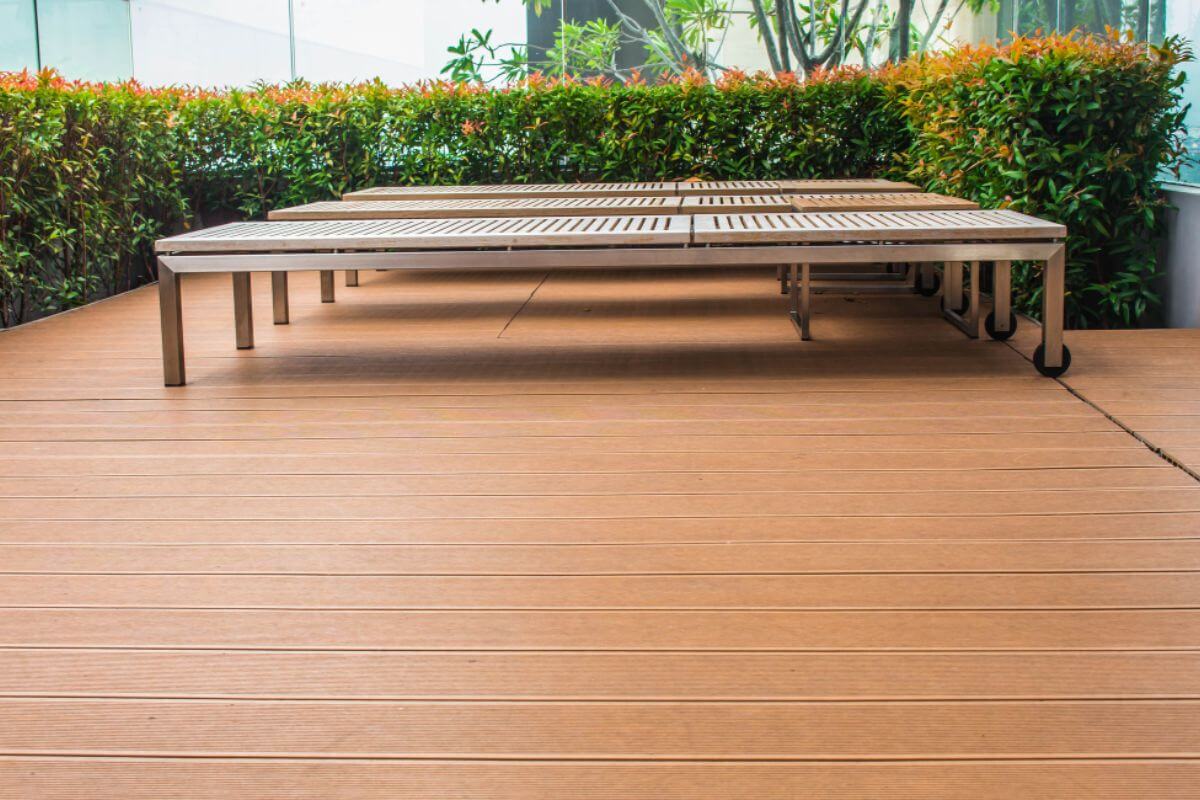
The long-term performance of wood flooring in the Philippines depends on proper preparation, professional installation, and regular maintenance, ensuring even climate-sensitive materials remain durable in challenging conditions.
- Humidity Levels: Constant humidity causes natural wood to expand or contract. Choose materials with stable core construction and ensure proper acclimatization before installation.
- Installation Method: Floating floors perform well in air-conditioned spaces, while glued-down systems help minimize movement in naturally ventilated areas.
- Maintenance Requirements: Some wood types require periodic sealing or moisture control. Consider your long-term upkeep capacity before deciding.
- Sustainability Standards: Materials certified by global green building councils help guarantee low emissions and environmentally responsible sourcing.
- Project Type and Usage: High-traffic or open-air spaces demand more durable composites, while controlled indoor settings can accommodate natural hardwood or engineered systems.
Key Takeaway
Choosing the best types of wood flooring for the Philippine climate means selecting materials that combine durability, aesthetic appeal, and sustainability.
At GRM Biowood, we help project teams build sustainably and confidently by providing eco-friendly, moisture-resistant solutions built for the tropics. Ready to elevate your project? Contact us today for a more personalized consultation.