Ways Exterior Cladding Elevate Structural Protection In Tall Buildings
What are unique ways exterior cladding elevates structural protection in tall buildings?
- Wind load resistance
- Moisture and water defense
- Thermal stress reduction
- Fire containment
- Earthquake flexibility
Overview
- Long-term structural resilience begins with weather-resistant exterior systems that safeguard building performance, enhance safety, and minimize maintenance.
- High-performance cladding balances structural protection with sustainable design, preserving a high-rise development’s value and integrity over its service life.
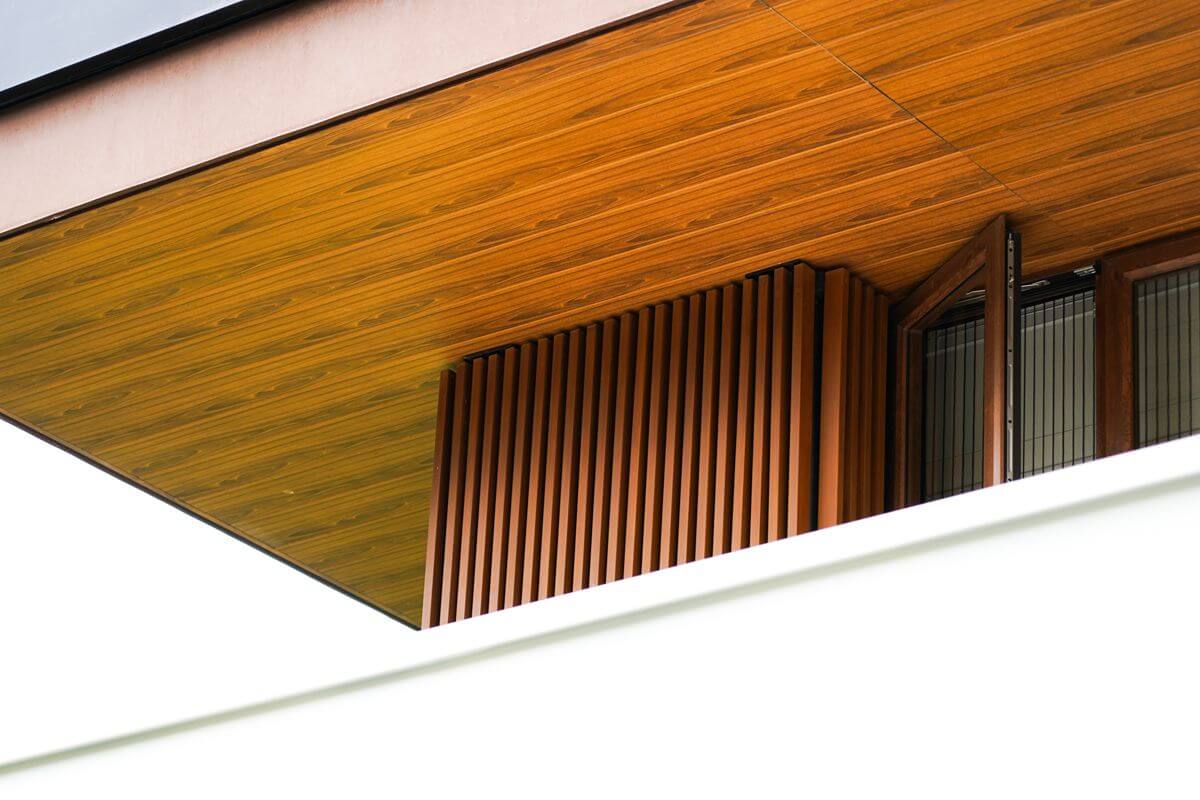
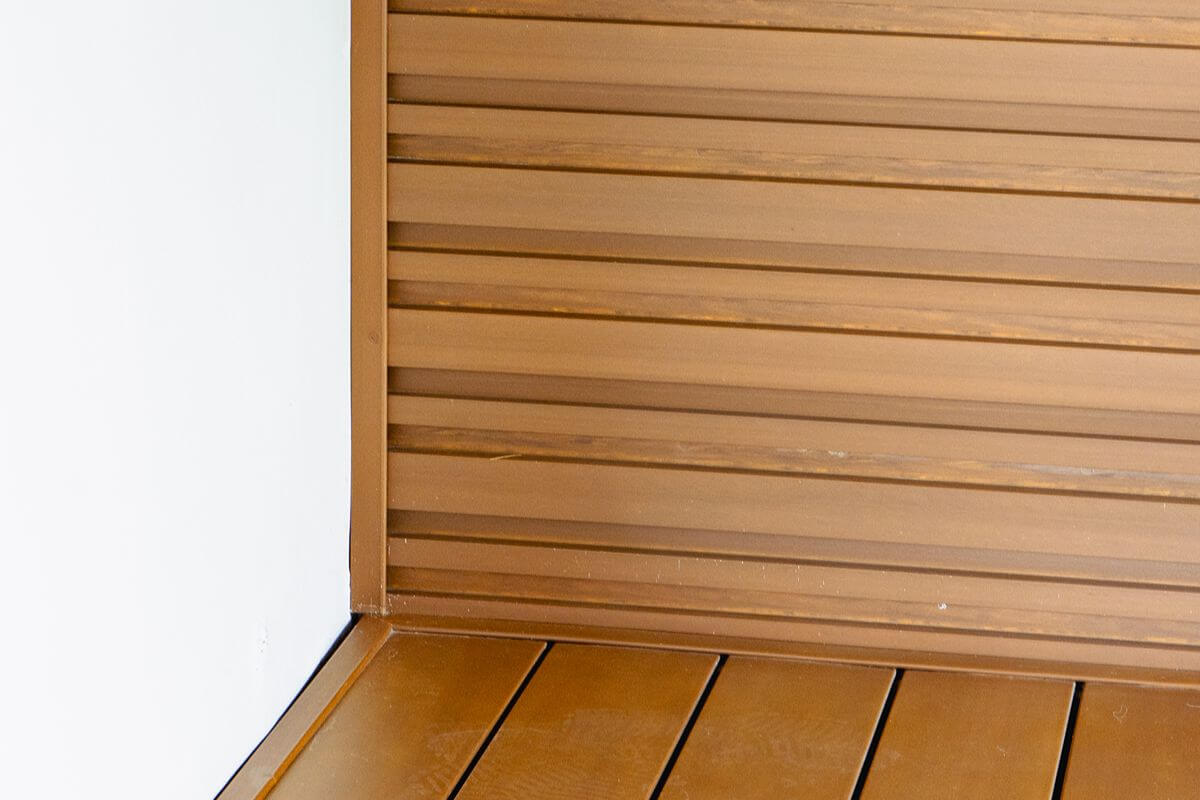
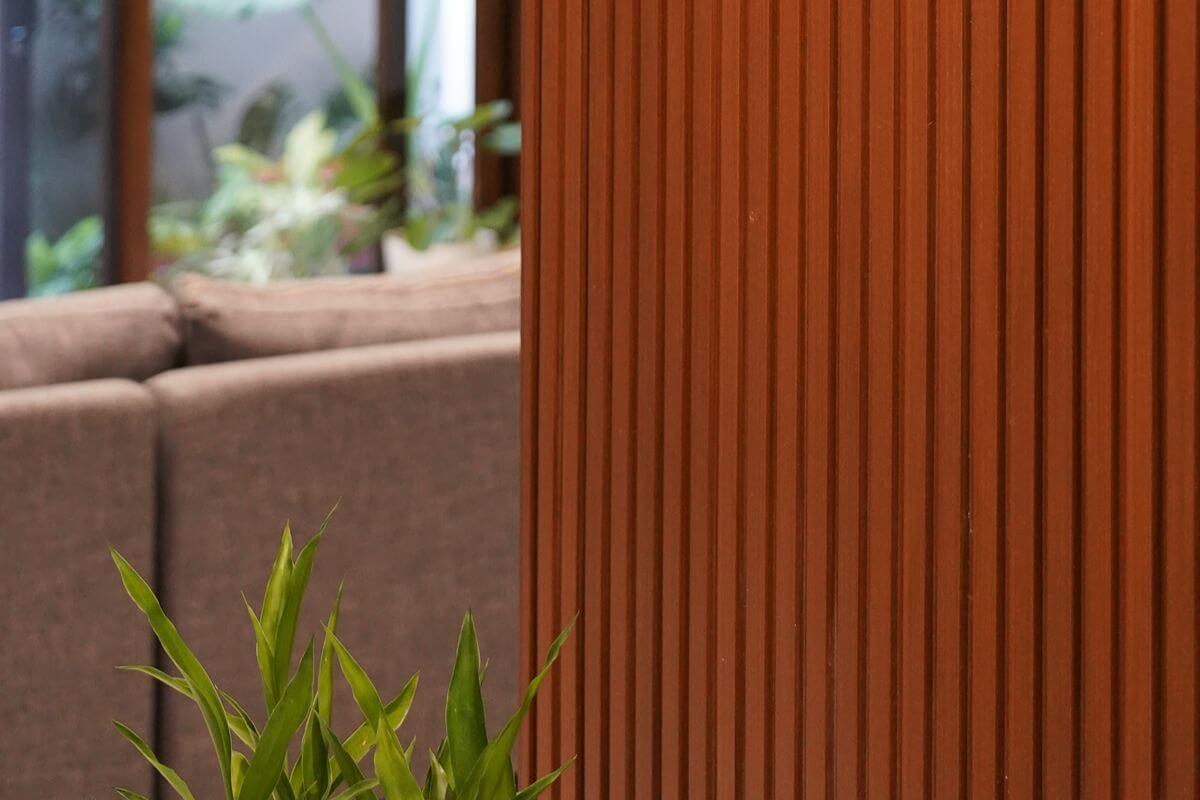
- GRM Biowood offers engineered Wood-Plastic Composite (WPC) wall cladding that combines sustainability with lasting durability to meet the rigorous demands of modern high-rise architecture.
An architect’s legacy depends on building safety and structural longevity, making the envelope critical in high-rise design. Exterior cladding acts as more than a finish; it serves as a primary protective barrier against long-term structural damage.
The ways in which exterior cladding elevates structural protection in tall buildings become more apparent when professionals focus on its role as a long-term safeguard. More than just a decorative feature, a well-designed cladding system is key to preserving both structural integrity and occupant safety.
Let’s dive into how exterior cladding makes high-rise structures more resilient and why it remains essential to modern architectural design.
Wind Load Resistance
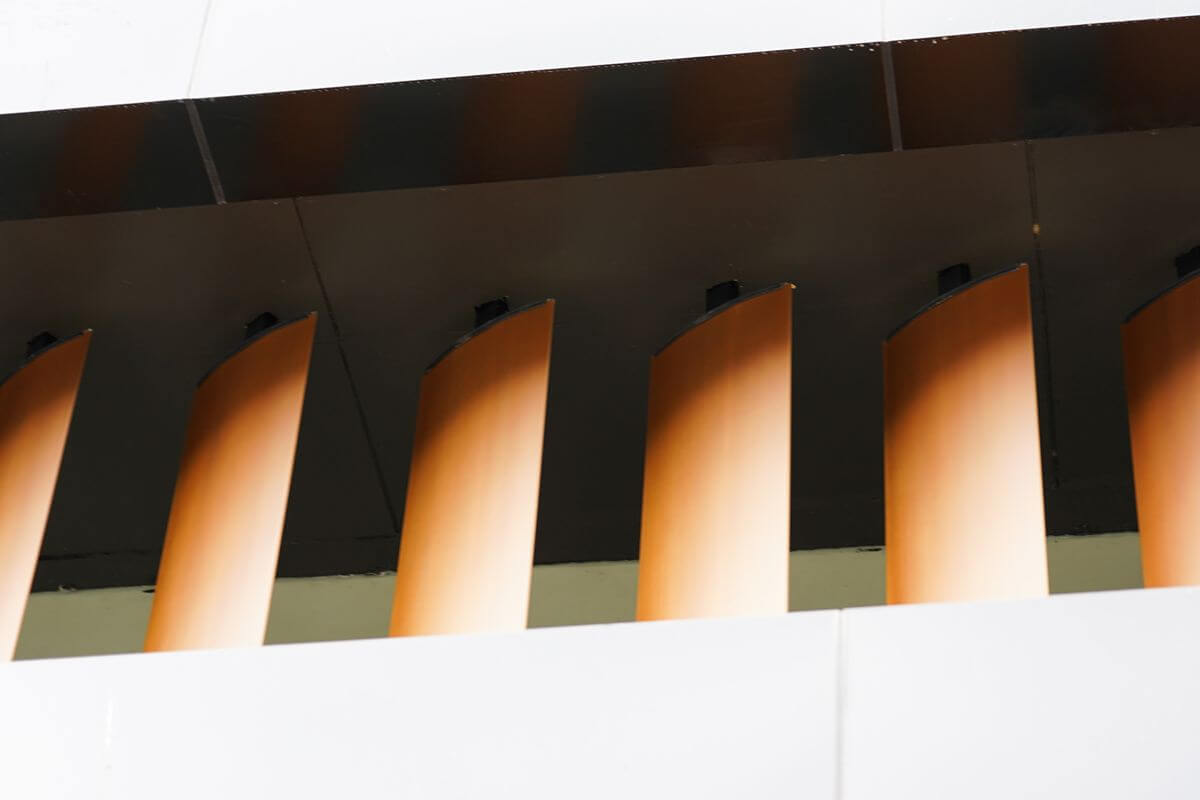
Modern cladding acts as a skyscraper’s primary aerodynamic shield against high-altitude winds. Even distribution of these massive pressures across the building envelope minimizes sway and prevents interior curtain wall failure.
Facades depend on secure fixings and engineered subframes to adapt safely to shifting wind conditions. Specifying high-quality cladding designed for extreme wind loads directly strengthens a skyscraper’s overall structural resilience.
Moisture and Water Defense
Behind this aerodynamic shield, the system also protects the building from moisture infiltration. Driven by high wind pressure, water can easily bypass external sealants. This can gradually damage insulation and corrode structural components, weakening the building over time. Exterior wall cladding creates an additional protective layer that minimizes these risks and protects buildings from direct exposure to moisture.
Modern rainscreen systems utilize drainage cavities and ventilation gaps to continuously evacuate trapped moisture. This mechanism safeguards envelope integrity, reduces long-term maintenance, and ensures lasting high-altitude facade protection.
Thermal Stress Reduction
Exterior cladding helps reduce thermal stress by limiting how much heat reaches the primary building structure. As exterior temperatures fluctuate, construction materials naturally expand and contract, placing repeated stress on facades and structural connections. A properly designed cladding system helps moderate these temperature changes and reduces the effects of continuous thermal cycling.
This thermal control enhances dimensional stability across the facade while significantly reducing interior cooling loads.
Specifying engineered Wood Plastic Composites (WPC) amplifies these gains. Designed for long-term thermal endurance, WPC cladding satisfies green building standards while maximizing envelope protection and overall operational efficiency.
Fire Containment
Properly specified cladding contributes to fire containment by helping slow the spread across a building’s facade. While no cladding system alone provides complete fire protection, some materials can still meet relevant fire-performance standards, contributing to a broader safety strategy. Since vertical fire spread poses greater challenges, it’s important to specify appropriate cladding materials to mitigate the risks.
Architects should carefully evaluate fire ratings and local building regulations when specifying exterior cladding materials for their design. Suppliers like GRM Biowood use non-combustible cavity barriers that comply with the mandates of Republic Act No. 9514, or the Fire Code of the Philippines. By using formulations that limit flame spread, the panels actively restrict flame tracking across the exterior envelope.
Earthquake Flexibility
Engineered cladding systems absorb seismic movement by accommodating structural deflection without overloading the primary frame. Unlike rigid finishes prone to detachment, these flexible facades maintain structural integrity and minimize high-rise envelope damage during earthquakes.
Achieving this performance requires more than selecting durable materials alone. Joint design and subframe detailing all influence how effectively the cladding responds to structural movement. For architects designing in earthquake-prone regions, specifying flexible façade systems contributes to safer, more resilient buildings that recover more effectively after earthquakes.
Improve Structural Protection In Your Building With GRM Biowood Wall Cladding
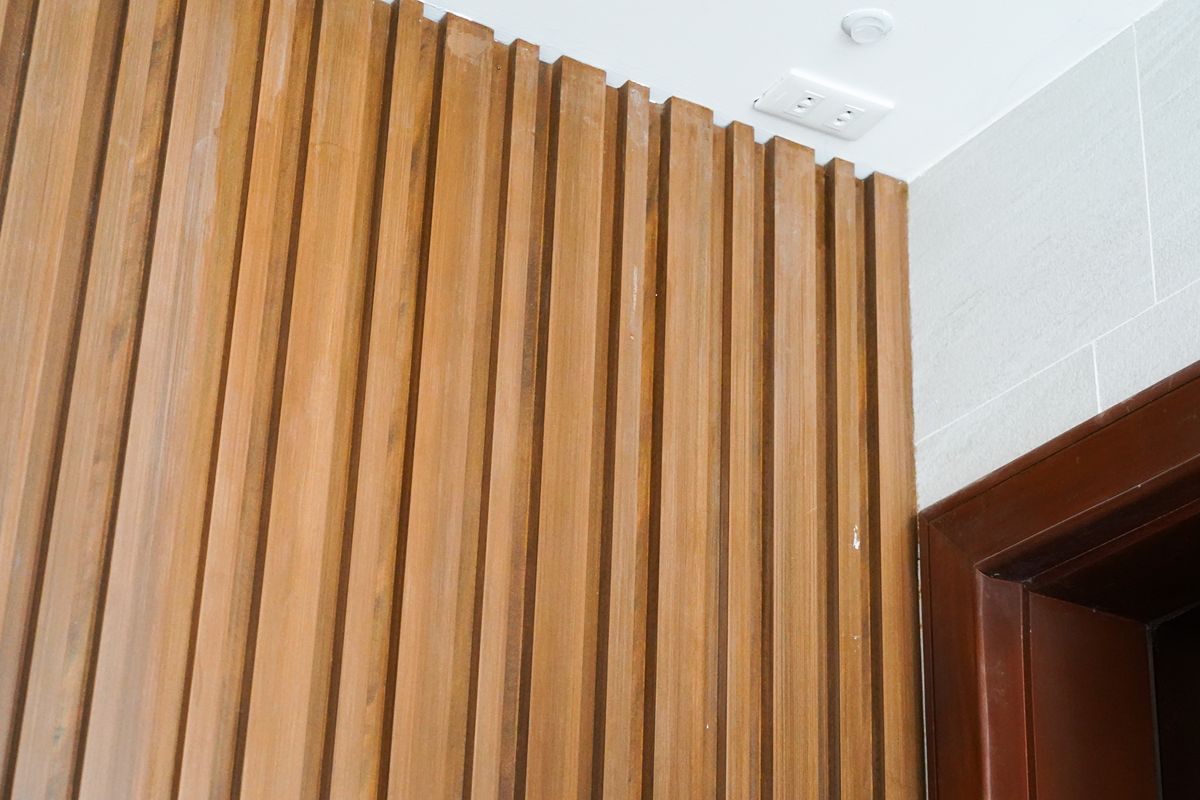
GRM Biowood provides WPC wall cladding solutions that help architects strengthen building envelopes and achieve quality architectural design. Engineered to combine the natural appeal of timber, our durable cladding systems offer low-maintenance performance while supporting sustainable construction practices.
Available in a wide selection of finishes and profiles, GRM Biowood’s WPC wall cladding gives architects the flexibility to achieve distinctive façades while supporting long-term structural protection. Every system is designed to deliver reliable performance alongside refined architectural aesthetics, helping create buildings that remain both visually impressive and resilient for years to come.
Key Takeaway
The ways exterior cladding elevates structural protection in tall buildings can be seen in how it helps buildings withstand the environmental conditions they encounter throughout their lifespan. From resisting wind and moisture to improving seismic resilience, a well-designed cladding system is the key to strengthening both building performance and long-term durability.
Here at GRM Biowood, we offer highly durable WPC wall cladding systems that meet the standards for both building safety and appealing structural design. Contact us today to source a reliable WPC wall cladding solution for your next development.