Is Exterior Wall Cladding Suitable For High-Rise Buildings?
Overview
- Exterior wall cladding enhances high-rise safety, longevity, and design freedom when specified correctly.
- Key selection factors include lightweight efficiency, fire safety compliance, wind resistance, moisture control, and thermal insulation.
- Lightweight Wood Plastic Composite (WPC) cladding, such as GRM Biowood, delivers sustainable, low-maintenance, and weatherproof facade performance for modern towers.
High-rise design extends beyond aesthetic skylines to long-term material performance. Exterior wall cladding provides this lasting value, pairing essential structural protection with complete architectural freedom.
But there lies a question: Is exterior wall cladding truly suitable for high-rise buildings?
When selected with the building’s requirements in mind, yes, it can be. Knowing each factor that contributes to its overall reliability is key to understanding what makes it well-suited to tall structures. Continue reading to discover why more architects incorporate exterior wall cladding into vertical tower projects.
Key Factors for High-Rise Cladding
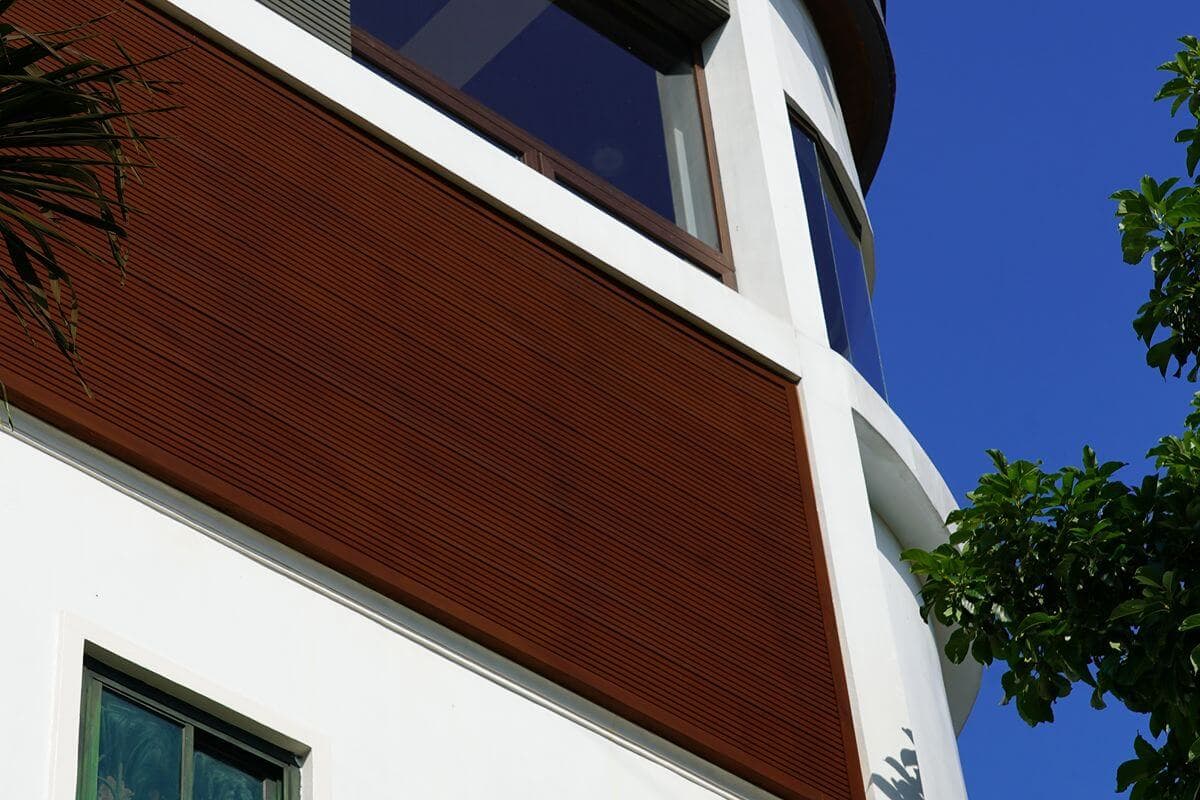
Selecting exterior wall cladding is a process that requires a strict understanding of different elements that help protect a structure. Architects must evaluate how well the cladding system responds to load and environmental demands throughout the building’s lifespan.
Weight
The weight of a cladding system influences how a high-rise building is engineered, making it one of the first considerations during material specification. Every façade material adds to the building’s dead load, affecting foundation requirements and the size of the supporting façade system needed to safely carry the exterior envelope.
Lightweight cladding materials help reduce these structural demands while improving handling and installation efficiency on multi-story projects. Materials such as Wood Plastic Composite (WPC) are often preferred by professionals for their durable exterior performance. These achieve protection without placing unnecessary loads on the primary structure, allowing architects to balance safety and construction efficiency.
Fire Safety
Fire safety is a critical requirement for high-rise cladding because façade systems must help prevent rapid fire spread across the building’s exterior. In the Philippines, architects must ensure their specifications comply with the National Building Code and the Fire Code of the Philippines (Republic Act No. 9514), particularly for developments where occupant safety is critical.
To ensure compliance, professionals must assess the reliability of the entire façade assembly and select appropriate fire-resistant panels. Architects should consider cavity barriers, insulation, and tested cladding assemblies that work together to limit flame spread and support safer evacuation. This way, they ensure that the finished façade satisfies both regulatory requirements and project-specific performance expectations.
Wind Resistance
High-rise façades are exposed to considerably stronger and more variable wind conditions than buildings at street level, making wind resistance essential to long-term structural reliability. Wind loads create both inward and outward pressures that place continuous stress on cladding panels and supporting subframes, particularly around building corners and upper stories where wind speeds are greatest.
A reliable cladding system doesn’t just contribute to aesthetics. It distributes these forces safely without excessive movement during severe weather. For this reason, design professionals must critically evaluate certified wind-load performance, fixing methods, and subframe design to ensure the façade remains secure while preserving the envelope throughout its service life.
Moisture Control
Moisture is one of the top causes of rapid component deterioration in building designs. Wind-driven rain, humidity, and condensation can penetrate poorly designed wall assemblies over time, leading to corrosion and the gradual deterioration of structural components hidden behind the cladding.
Modern rainscreen cladding systems address these risks by incorporating ventilation cavities and drainage pathways that allow moisture to escape. This approach helps preserve the integrity of the façade and improves long-term durability, making it an important consideration for buildings in tropical or high-humidity zones.
Thermal Insulation
Thermal insulation determines how effectively a cladding system limits heat transfer through the building envelope. Since high-rise buildings have extensive exterior surface areas exposed to sunlight throughout the day, selecting cladding with good thermal performance is key to maintaining more stable indoor temperatures and lower dependence on mechanical cooling systems.
Architects should look for cladding systems that use low-thermal-conductivity materials to improve overall building efficiency. Sustainable materials such as Wood Plastic Composite (WPC) also offer greater thermal stability during repeated temperature changes, helping façades maintain their appearance while supporting green building objectives and long-term energy savings.
Best Materials to Use
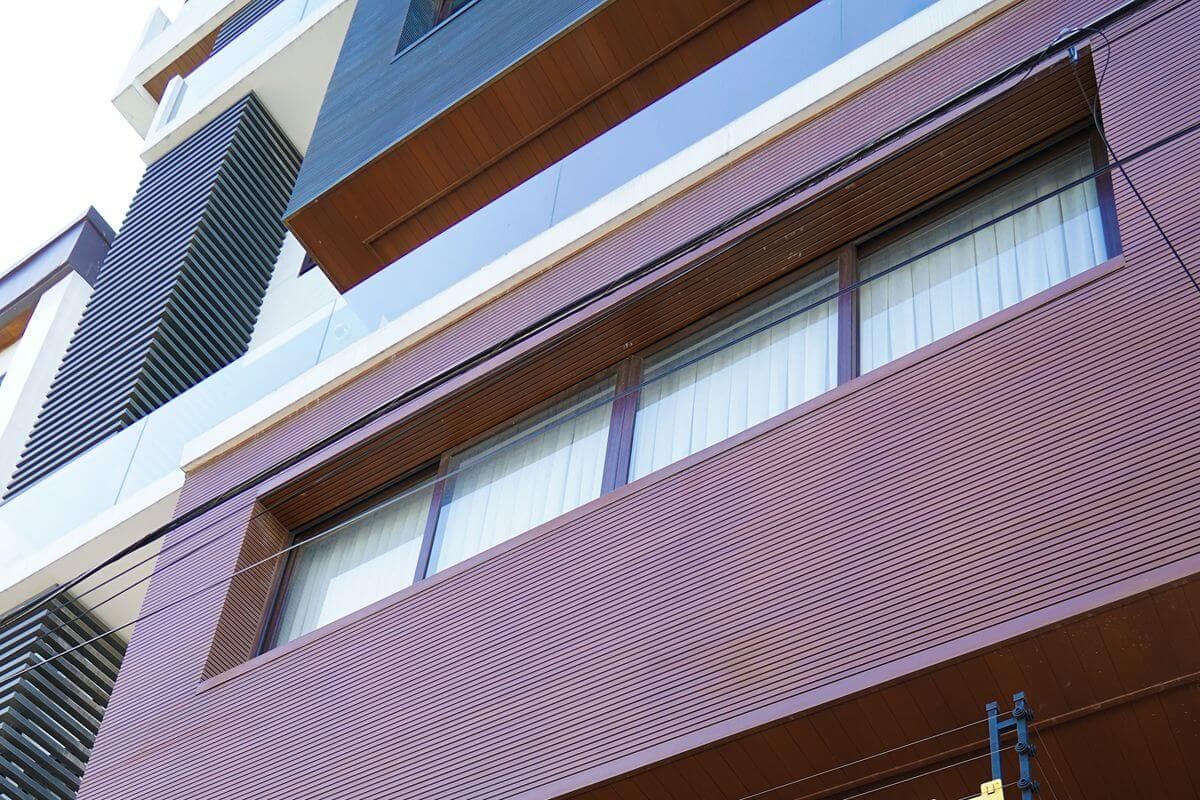
Selecting the right cladding material is just as important as understanding the performance requirements of a high-rise façade. Each material offers distinct advantages, making it important to match the specification to the project’s goals.
The following materials are among the most widely used for high-rise developments:
- WPC Wall Cladding
- Aluminum Panels
- Metal Cladding
- Fiber Cement
Why Is WPC Wall Cladding Ideal For High-Rise Buildings?
Engineered to withstand daily environmental stress, WPC wall cladding delivers the aesthetic appeal of natural timber alongside high-rise durability.
As the Philippines’ premier supplier, GRM Biowood provides high-performance WPC cladding designed for sustainable, resilient facades.
Key High-Rise Benefits:
- Weather-, moisture-, mold-, and insect-resistant
- Lightweight structural profile
- Low maintenance requirements
- Enhanced energy efficiency
Key Takeaway
Is exterior wall cladding suitable for high-rise buildings? When architects evaluate the top factors that contribute to their reliability, exterior wall cladding proves to be a dependable solution that strengthens both building resilience and long-term architectural value.
At GRM Biowood, we provide premium WPC wall cladding that combines the authentic beauty of timber with sustainable performance for modern high-rise developments. Contact us today to discover how our engineered cladding solutions can help you create more refined building façades.