Performance and Longevity of WPC Wall Cladding in Coastal Environments
Overview
- WPC wall cladding can last 15–25 years in coastal areas when properly selected, installed, and maintained. Its performance depends on resistance to moisture, salt air, and UV exposure.
- With the right formulation and care, it offers durable, low-maintenance, and visually consistent solutions for long-term use in demanding seaside environments.
Coastal environments place significant strain on building materials due to constant exposure to salt air, high humidity, and intense sunlight. In the Philippines, where many residential and commercial developments are located near coastlines, these conditions are a common and unavoidable challenge.
This raises an important question: how long does Wood Plastic Composite (WPC) wall cladding last in coastal areas without experiencing warping, fading, or moisture-related damage?
Although WPC is designed for durability, its long-term performance depends on several factors beyond the material itself.
Lifespan
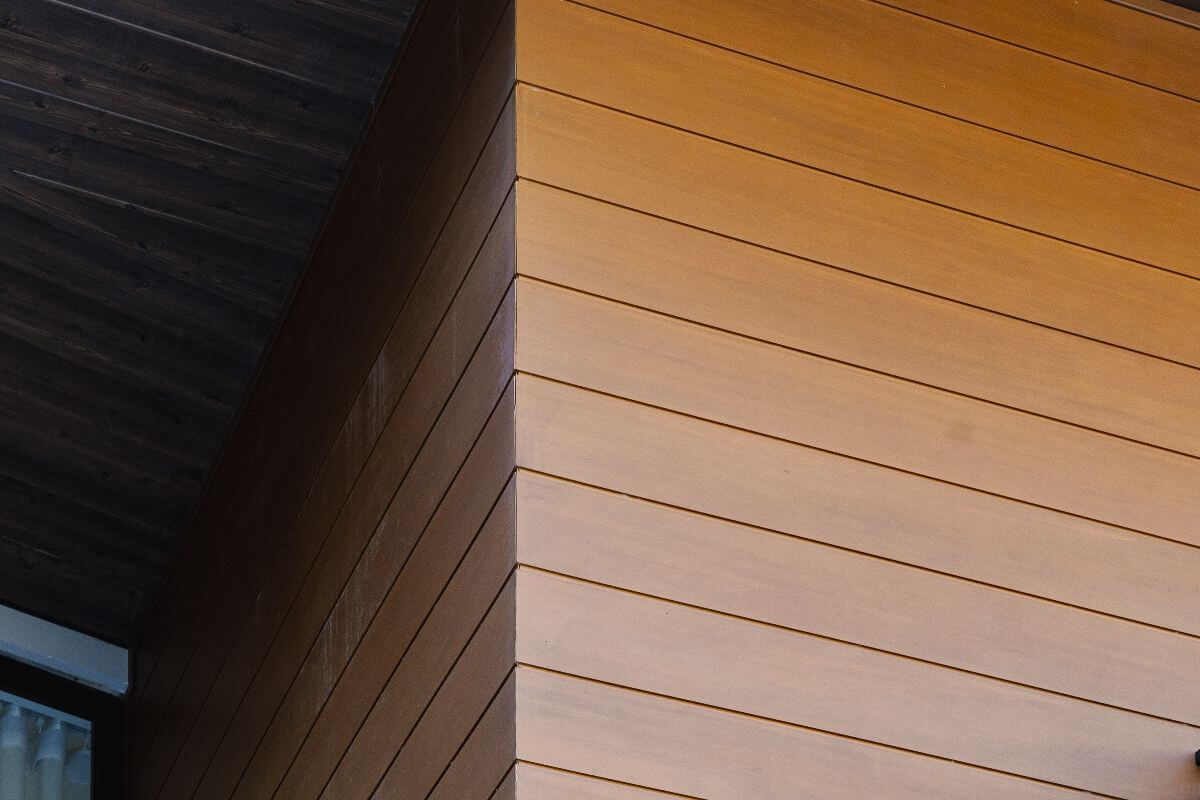
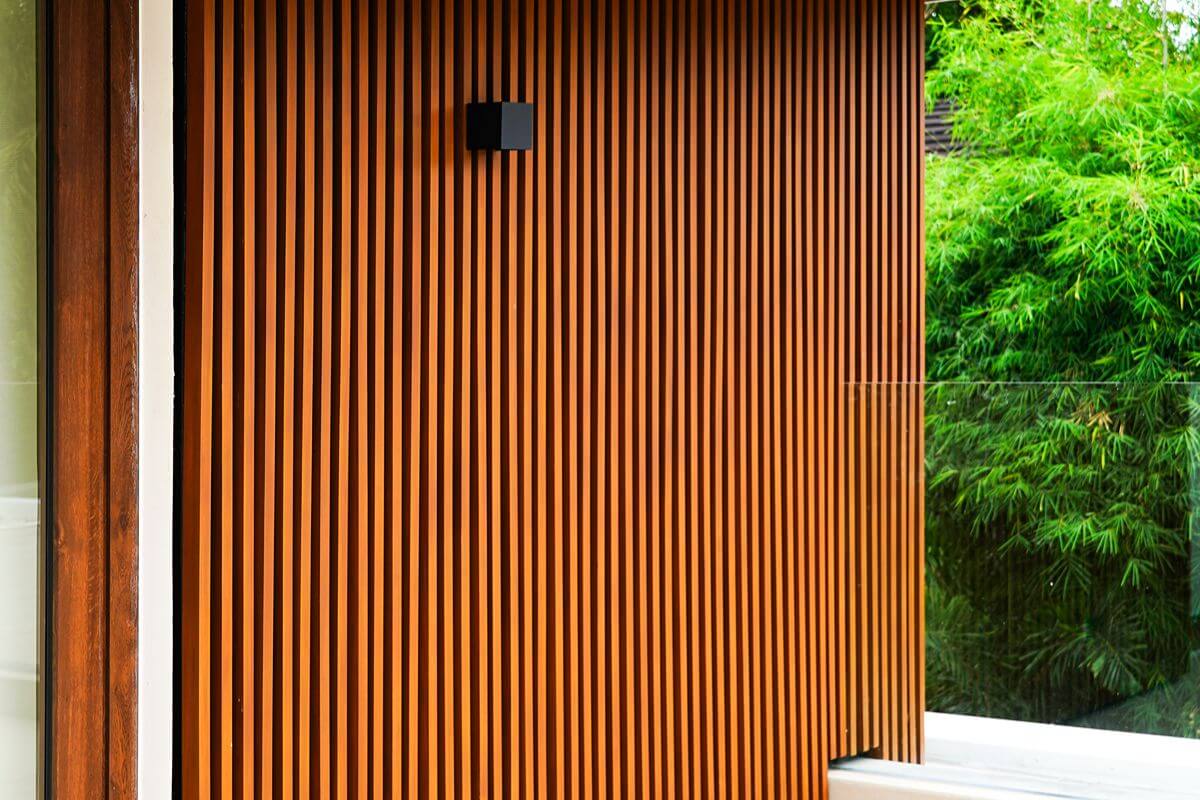
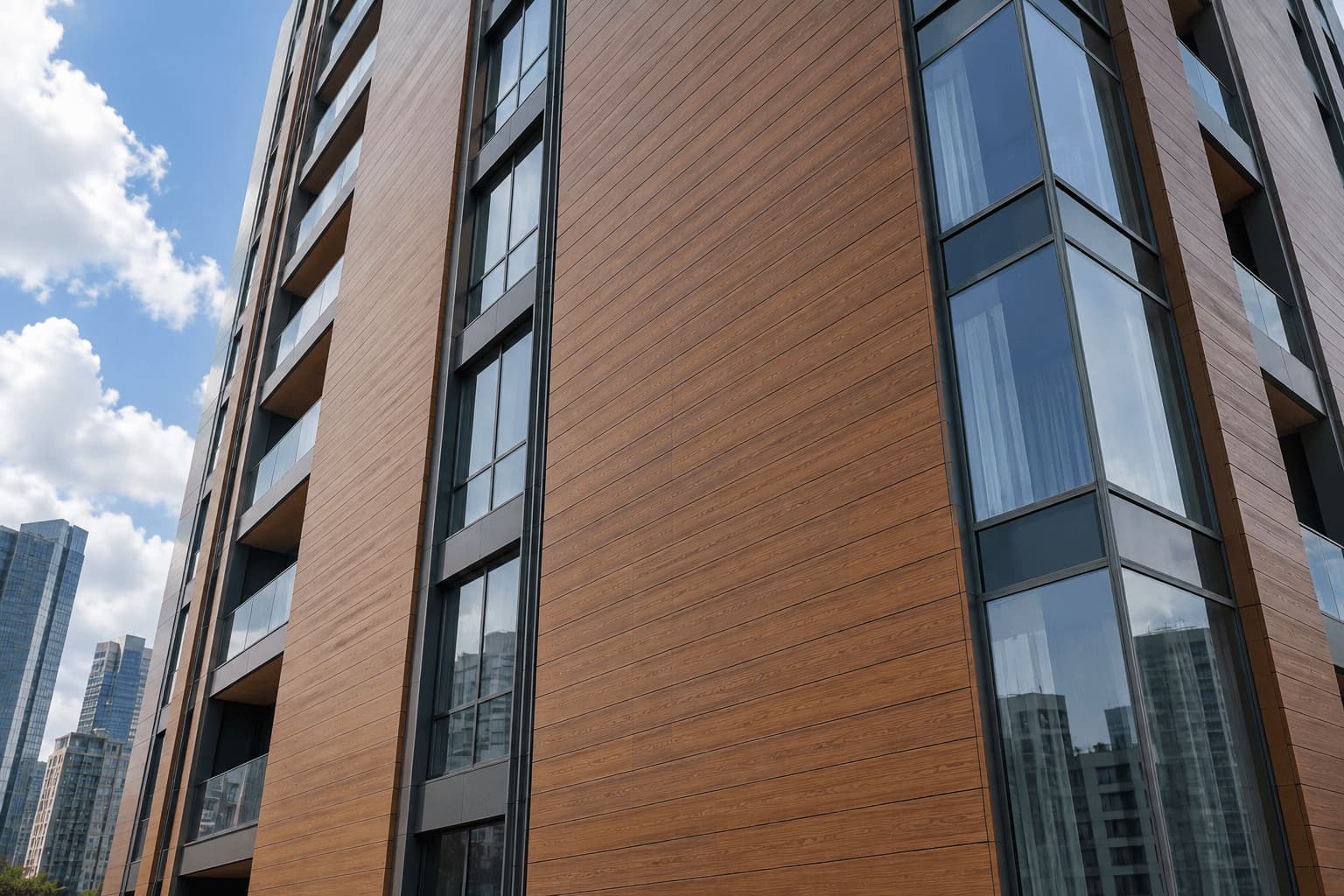
With continuous exposure to humidity, salt air, and strong sunlight, understanding the expected lifespan of exterior cladding is essential. High-quality WPC wall cladding can typically last between 15 and 25 years when properly installed and maintained.
However, performance largely depends on material quality. Lower-grade panels may struggle in coastal environments, where salt, rain, and UV exposure can lead to fading, moisture absorption, or structural weakening over time.
For long-term durability, GRM Biowood WPC wall cladding offers a reliable solution for coastal projects in the Philippines. Its panels are termite-proof, mold-resistant, and water-resistant, making them suitable for humid and salt-heavy conditions while maintaining a lifespan of up to 25 years.
Best Type
Not all WPC cladding panels are designed to perform in coastal environments. The most suitable option is one that can withstand moisture, intense sunlight, and salt-laden air without compromising durability.
In coastal areas such as La Union, constant exposure to sea breeze, humidity, and UV radiation can accelerate fading, warping, and surface deterioration in poorly formulated panels.
Cladding systems built for these conditions typically include protective features such as co-extruded caps, which improve resistance to sunlight, rain, and salt exposure. Advanced formulations combine wood fibers, durable polymers, UV stabilizers, and protective surface treatments to minimize degradation and maintain performance over time.
These characteristics make WPC cladding a dependable alternative to traditional materials, offering resistance to termites, moisture, and mold while ensuring long-term resilience in both indoor and outdoor applications.
Maintenance
Traditional wood panels often demand frequent painting, sealing, or intensive cleaning to maintain their appearance.
The WPC wall cladding from GRM Biowood resists these challenges naturally. Its built-in resistance to salt, moisture, and UV exposure means it only requires simple annual freshwater rinses to maintain its look.
The panels’ condition can be preserved by gently cleaning them with mild soap and a soft brush. This should be followed by rinsing with fresh water to remove any remaining residue. With this simple routine, the panels maintain their wood-like aesthetics and deliver 15–25 years of reliable performance with minimal upkeep—far easier to maintain than traditional wood cladding.
Performance
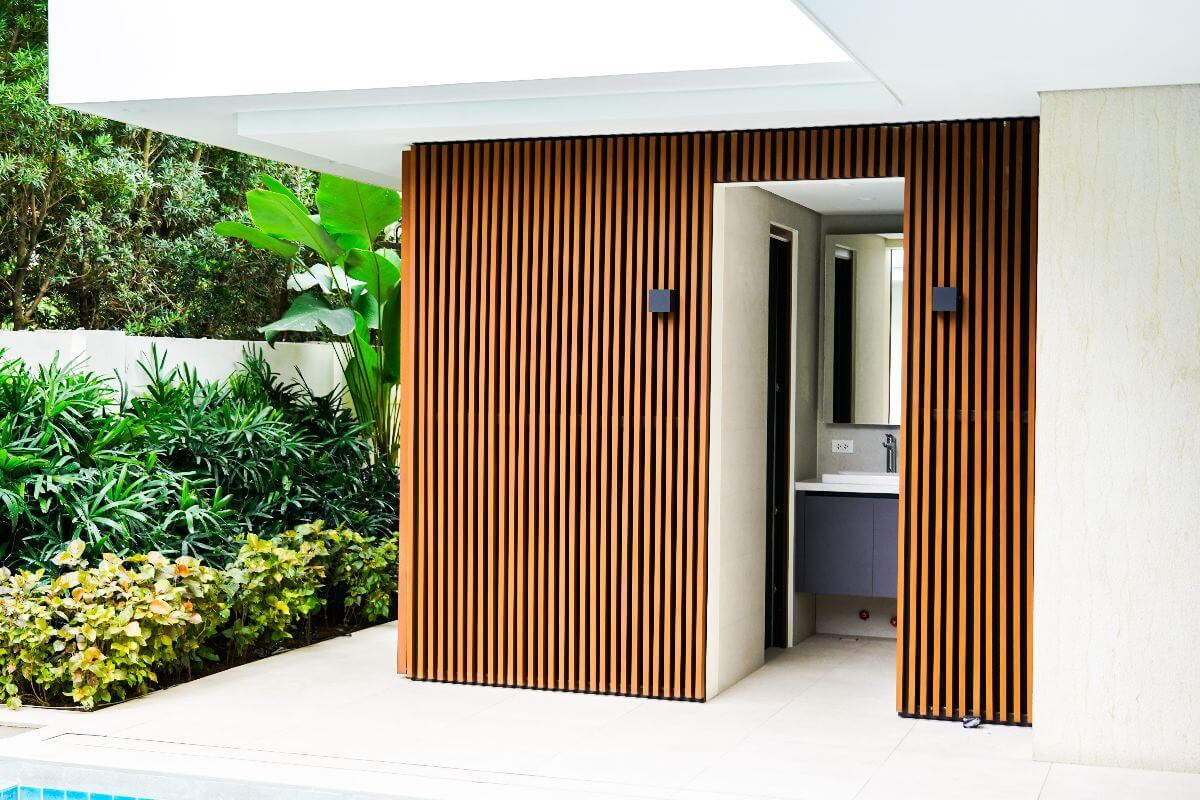
In areas like Boracay, buildings are constantly exposed to sea breeze and intense sunlight, which can accelerate material wear if not properly engineered.
WPC panels designed for outdoor use perform reliably under these conditions. They maintain their shape, finish, and fastening stability without warping or cracking, ensuring long-term durability.
Their balanced composition also provides slight flexibility, allowing them to absorb environmental stress while preserving structural integrity—making them well-suited for coastal homes and developments near the shoreline.
Fading
Prolonged sun exposure in coastal areas can gradually affect the color of exterior materials. Over time, surface pigments may degrade, causing panels to appear dull or uneven.
Lower-grade cladding often fades inconsistently, resulting in a worn and uneven appearance across exterior walls. This can impact the overall visual appeal of a property.
WPC wall cladding with advanced surface protection is designed to maintain color stability even under intense sunlight. This helps preserve the material’s wood-like finish and ensures a consistent appearance over time.
WPC vs Traditional Cladding in Coastal Areas
Understanding how WPC compares to traditional materials helps clarify its performance advantages in coastal environments:
| Feature | WPC Wall Cladding | Traditional Wood Cladding |
|---|---|---|
| Moisture Resistance | High; resists water absorption | Low; prone to swelling and rot |
| Salt Air Resistance | Designed to withstand salt exposure | Can deteriorate over time |
| UV Resistance | Stabilized to reduce fading | Fades and cracks easily |
| Maintenance | Minimal; simple cleaning required | High; frequent sealing and repainting |
| Lifespan (Coastal) | 15–25 years | 5–10 years (with upkeep) |
| Pest Resistance | Termite-resistant | Vulnerable to termites |
Key Takeaway
Understanding how long WPC wall cladding lasts in coastal areas depends on several factors, including material quality, UV resistance, installation, and proper maintenance.
High-quality solutions like GRM Biowood WPC wall cladding are engineered to withstand humidity, salt air, and strong sunlight while maintaining their durability and wood-like appearance for years.
If you’re planning a coastal project and want reliable, eco-friendly cladding, contact us now to learn more about the best solutions for your space.