How to Ensure Proper Spacing and Angle for Maximum Louver Efficiency
How to ensure proper spacing and angle for maximum louver efficiency?
- Optimize angle and spacing
- Maximize free area
- Maintain proper installation
- Select the right type and depth
Overview
- Wood-plastic composite (WPC) louvers optimize airflow, shading, and comfort in Philippine urban homes and offices.
- Proper blade angle, spacing, free area, installation, type, and depth ensure efficient ventilation, passive cooling, and visual harmony.
- Durable, low-maintenance WPC louvers support energy efficiency, resilience in tropical climates, and aesthetic integration in modern architectural designs.
Urban homes and buildings in the Philippines face the constant challenge of balancing the airflow, shading, and energy efficiency. Louvers, in turn, play a crucial role in achieving this balance while also enhancing both comfort and design.
Wood-plastic composite (WPC) louvers, in particular, provide a practical solution, combining the natural warmth of timber with the unique benefits offered by WPC. However, these benefits also raise important questions regarding spacing, angle, and orientation for achieving optimal performance.
To help you get the most from your project, this guide explains how to ensure the proper spacing and angle for maximum louver efficiency, so that your installation delivers effective airflow, consistent shading, and visual harmony throughout your space.
Optimize Angle and Spacing
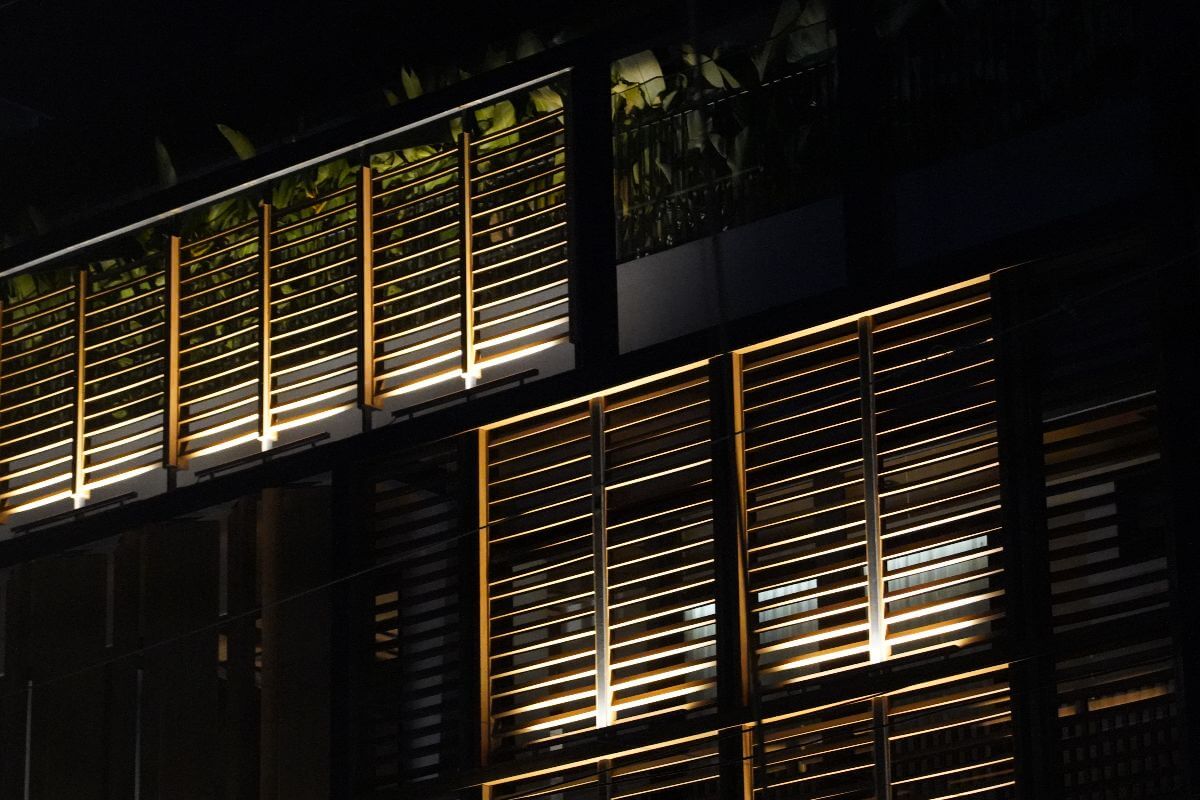
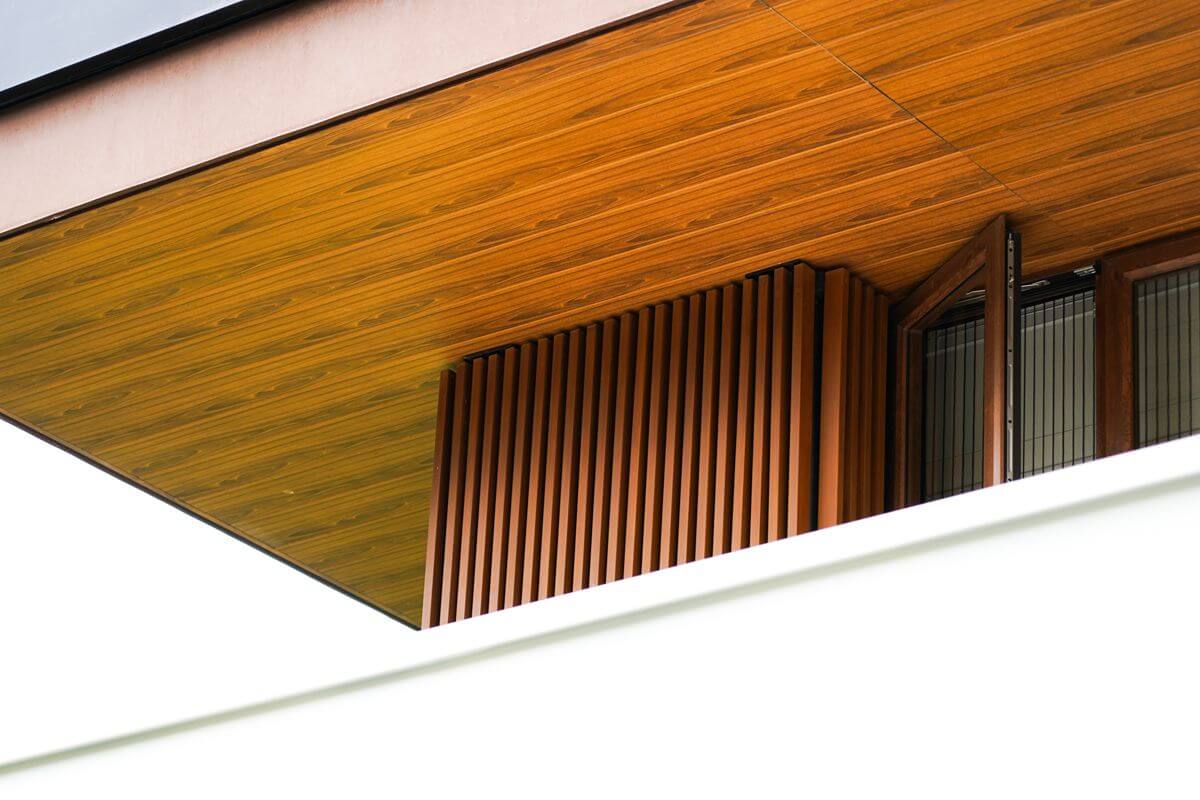
Maximizing the performance of your wood louvers starts with understanding how blade angle and spacing influence comfort, airflow, and overall design integration. Thoughtful adjustments ensure efficient operation while maintaining a cohesive architectural appearance.
- Optimal Blade Angle
Blade angle controls sunlight and airflow. Angles between 30° and 45° balance shading and ventilation, while steeper angles suit sun-exposed façades. Adjustable systems provide more precise control for changing conditions.
- Blade Spacing
Blade spacing influences airflow and privacy. Closer spacing improves shading and privacy, while wider spacing enhances ventilation—ideal for humid environments and comfort-focused designs.
Maximize Free Area
The space between louver blades is crucial for airflow and passive cooling. Properly balanced free area allows air to circulate while limiting sunlight, keeping interiors cool and comfortable. Too little restricts ventilation; too much reduces shading. The right balance ensures consistent airflow, natural cooling, and energy-efficient, well-lit spaces.
Maintain Proper Installation
Proper installation forms the foundation of louver performance, influencing airflow, shading, and the overall look of your building. Paying attention to uniformity, orientation, and support ensures your louvers work efficiently while maintaining visual harmony over time.
- Uniformity: Consistent spacing and alignment prevent uneven airflow and facades. Use precise measurements and templates, and inspect regularly for shifts from typhoons or wear.
- Orientation: Align blades with building layout and conditions. Horizontal blades optimize shading and ventilation; vertical blades reduce glare on east- and west-facing facades.
- Support: Secure anchoring and durable materials help louvers withstand heavy rain and typhoons while maintaining performance and appearance.
Select the Right Type and Depth
Choosing the right louver type and blade depth balances performance and style, helping you optimize airflow, shading, and visual appeal. Understanding these elements allows you to make decisions tailored to your building’s design, orientation, and climate.
- Louver Depth – Blade depth determines how much sunlight is blocked and how air flows. Shallow blades (50–75mm) suit interiors or low-sun areas, allowing light and ventilation. Deeper blades (100–150mm) work for exteriors where shading is critical, keeping interiors cooler without reducing airflow.
- Blade Shape – The shape contributes to both style and function. Flat blades create a modern aesthetic, while aerofoil blades enhance airflow and shading efficiency, supporting energy-conscious designs.
- Maintenance Requirements – In tropical urban settings, dust, humidity, and pollution can affect performance. WPC louvers resist moisture, termites, and UV exposure, reducing upkeep. Regular cleaning ensures airflow remains unobstructed and the installation stays visually appealing over time.
Common Mistakes to Avoid
Even well-planned installations can face challenges if certain factors are overlooked. Neglecting the tropical climate, such as humidity, strong sunlight, and seasonal rains, can reduce the effectiveness of airflow and shading. Paying attention to these conditions ensures your system delivers consistent comfort.
Spacing and maintenance are also key. Blades set too close or too far apart may limit ventilation or reduce shading, while accumulated dust or debris can interfere with airflow. Thoughtful spacing and periodic inspections help maintain optimal function, passive cooling, and a cohesive appearance throughout the year.
Discover Reliable Wood Louvres at GRM Biowood
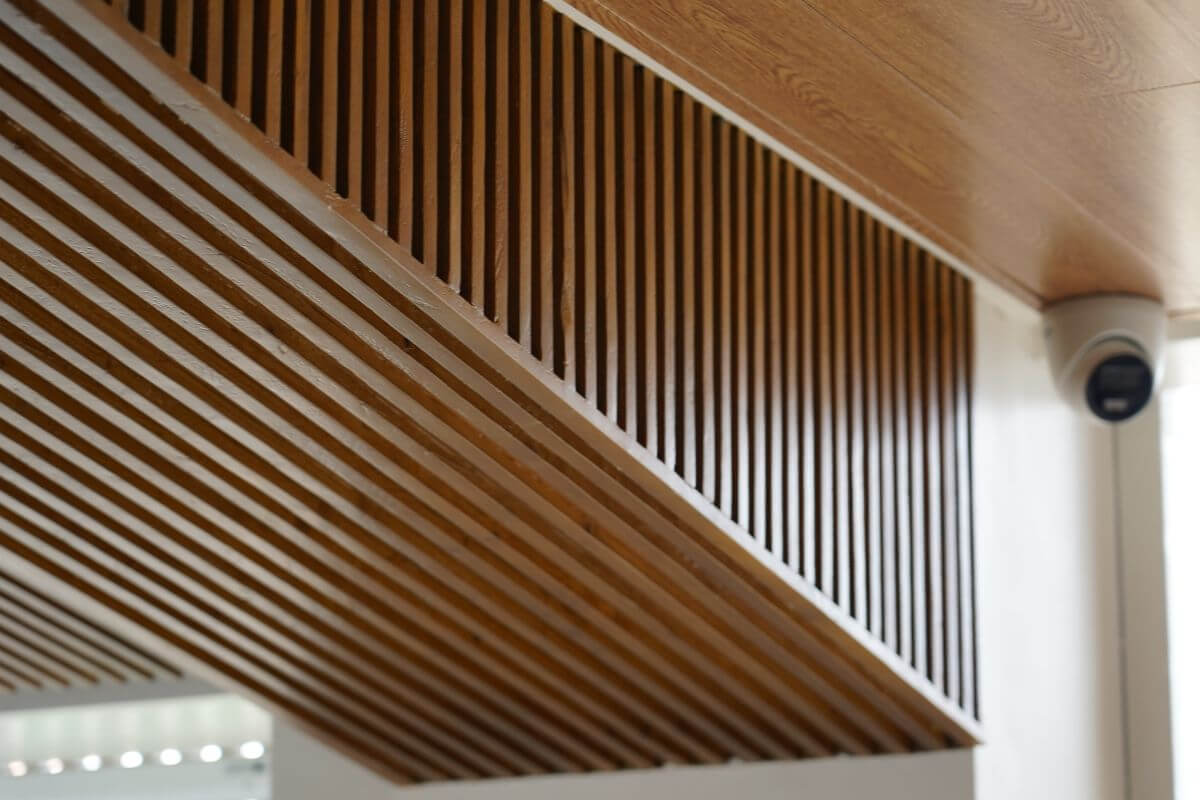
At GRM Biowood, we provide sustainable wood-plastic composite louvers designed to help you achieve both functionality and style in your projects. Built to endure the Philippines’ tropical climate, our products maintain airflow, offer effective protection from sunlight, and provide a natural timber appearance that complements modern urban designs.
Our louvers are eco-friendly, crafted from recycled wood and plastic to reduce environmental impact, and durable enough to resist moisture, termites, and UV exposure. We also offer customization in sizes, shapes, and finishes, allowing you to select screens and blades that meet your design vision while ensuring reliable performance throughout the life of your installation.
Key Takeaway
With a better handle on how to ensure the proper spacing and angle for maximum louver efficiency, you can now plan installations that adapt to changing sunlight and ventilation needs, supporting long-term comfort, energy savings, and the evolving performance of your space.
Ensure maximum efficiency and performance in your projects with GRM Biowood’s premium wood louvers. Expertly crafted for optimal spacing, angles, and durability, our solutions enhance both function and design. Contact us today to explore our collection and elevate your architectural projects.