Fire Safety Considerations When Selecting Louver Ceilings
What are the fire safety considerations when selecting louver ceilings?
- Material fire behavior and combustion resistance
- Compatibility with fire suppression systems
- Smoke control and ventilation performance
- Structural stability and installation quality
- Ongoing maintenance and inspection requirements
Overview
- Commercial buildings in the Philippines face unique fire safety challenges, making ceiling systems critical for protection and design.
- Wood-Plastic Composite (WPC) louver ceilings offer durability and aesthetics but require careful consideration of material fire behavior, smoke control, structural stability, integration with suppression systems, and ongoing maintenance to ensure occupant safety and regulatory compliance.
Commercial buildings in the Philippines, including malls, hotels, and office complexes, face distinct challenges in ensuring fire safety. Ceiling systems, though often understated, are critical for protecting occupants while maintaining architectural integrity. Wood-Plastic Composite (WPC) louver ceilings are increasingly popular for their contemporary aesthetics and durability, but their selection requires careful evaluation of material performance, adherence to fire safety standards, and long-term reliability under heat.
To help you navigate these requirements with confidence, here are some essential fire safety considerations for louver ceilings for your project.
Material Fire Behavior and Combustion Resistance
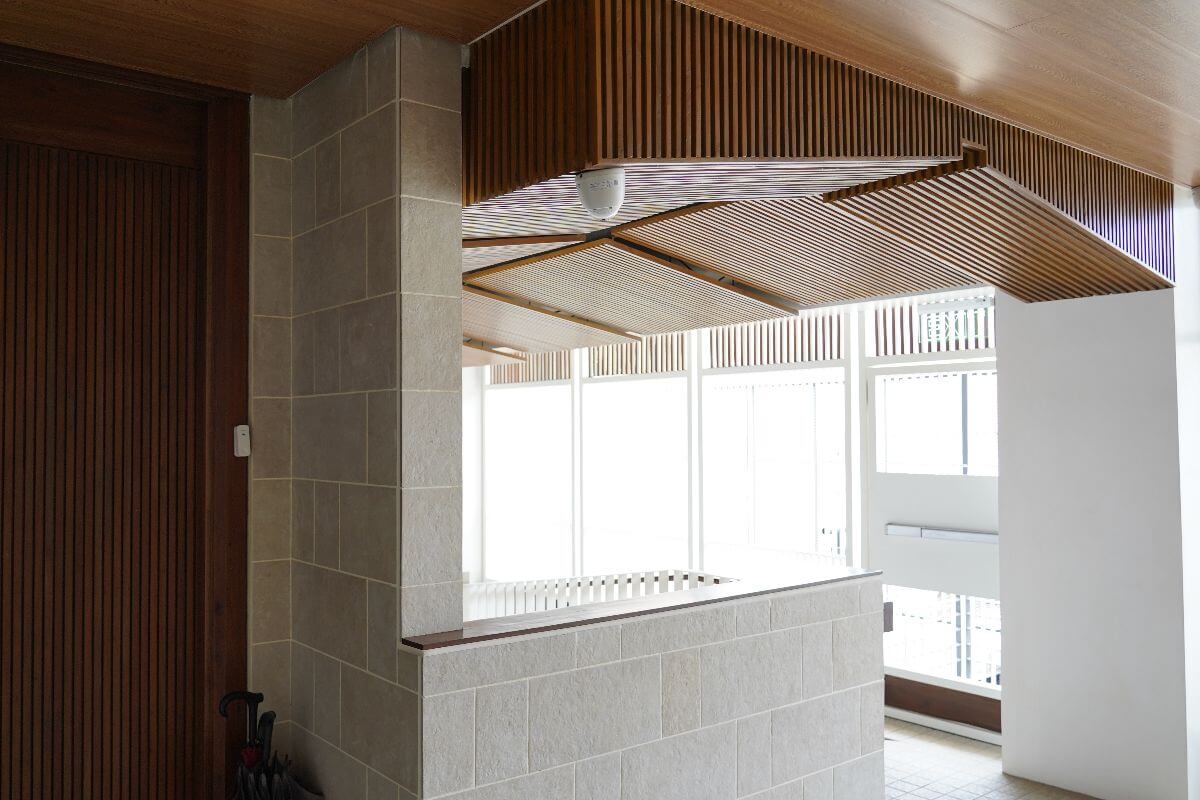
Understanding how ceiling materials behave under fire conditions helps you anticipate performance and protect occupants effectively. WPC louvers, for instance, combine aesthetic appeal with engineered fire resistance. Materials with high fire‑resistance ratings tend to withstand heat longer before warping or contributing to flame spread, while fire‑retardant additives slow combustion and limit flame propagation.
Smoke and toxic gas emissions are equally important for safety. Materials that emit lower levels of fumes help maintain visibility and breathable air during emergencies, supporting safe evacuation and aligning with the Fire Code of the Philippines requirements for ceiling finishes.
Compatibility With Fire Suppression Systems
Ensuring that your louver ceiling works seamlessly with sprinklers, fire alarms, and other suppression systems is critical for overall safety. Open or semi-open designs allow water from sprinklers to reach the space below, while materials should not interfere with heat or smoke detectors.
Ease of integration with existing systems reduces the risk of costly retrofits or design compromises. Ceiling panels that accommodate fire suppression components without weakening structural integrity let you maintain both safety and visual appeal in your design.
Smoke Control and Ventilation Performance
In the event of a fire, controlling smoke is as important as containing flames. Open louver designs can guide smoke toward designated exhaust points, improving evacuation conditions, while materials that produce minimal smoke enhance visibility and safety.
Integrating your louver ceiling into a comprehensive smoke management strategy ensures that it complements the building’s ventilation system. Coordination with fire safety engineers helps balance airflow, smoke control, and regulatory compliance, enhancing both occupant safety and functional design.
Structural Stability and Installation Quality
The structural integrity of louver ceilings determines how they perform under high temperatures. WPC louvers with reinforced cores or fire-resistant coatings help maintain form and resist collapse during fire exposure, while proper installation with fire-rated fasteners and brackets secures panels against detachment.
Meeting the National Building Code of the Philippines ensures that your installation complies with legal safety standards. This assures that your ceiling supports both fire performance and overall building safety without compromising aesthetic quality.
Ongoing Maintenance and Inspection Requirements
Fire safety is an ongoing responsibility that extends beyond initial installation. Regular inspections allow you to identify wear, damage, or material degradation that could affect fire performance before it becomes a hazard.
Maintaining integrated fire suppression systems is equally essential. Periodic testing of sprinklers, detectors, and alarms, along with updating certifications after modifications, helps preserve compliance and ensures that your louver ceiling continues to function safely and reliably over time.
Key Considerations for High-Risk Areas
High-risk areas in commercial buildings, such as kitchens, electrical rooms, and atriums, require louver ceilings designed with materials and features that maximize fire safety and protection.
- Higher fire‑resistance materials: In higher‑risk spaces, materials with enhanced fire‑resistance classifications help maintain structural integrity and delay flame spread under elevated heat exposure.
- Supplementary fire barriers: The inclusion of fire‑rated insulation or backing assemblies behind the ceiling can act as an additional protective layer, helping to compartmentalize and slow the progression of fire.
- Fire safety coordination: Input from fire protection engineers and safety specialists can inform design decisions, ensuring that the ceiling system integrates with sprinklers, alarms, and other protective measures in a manner consistent with overall fire strategy and code expectations.
Discover the Ideal Louver Ceiling for Your Project at GRM Biowood
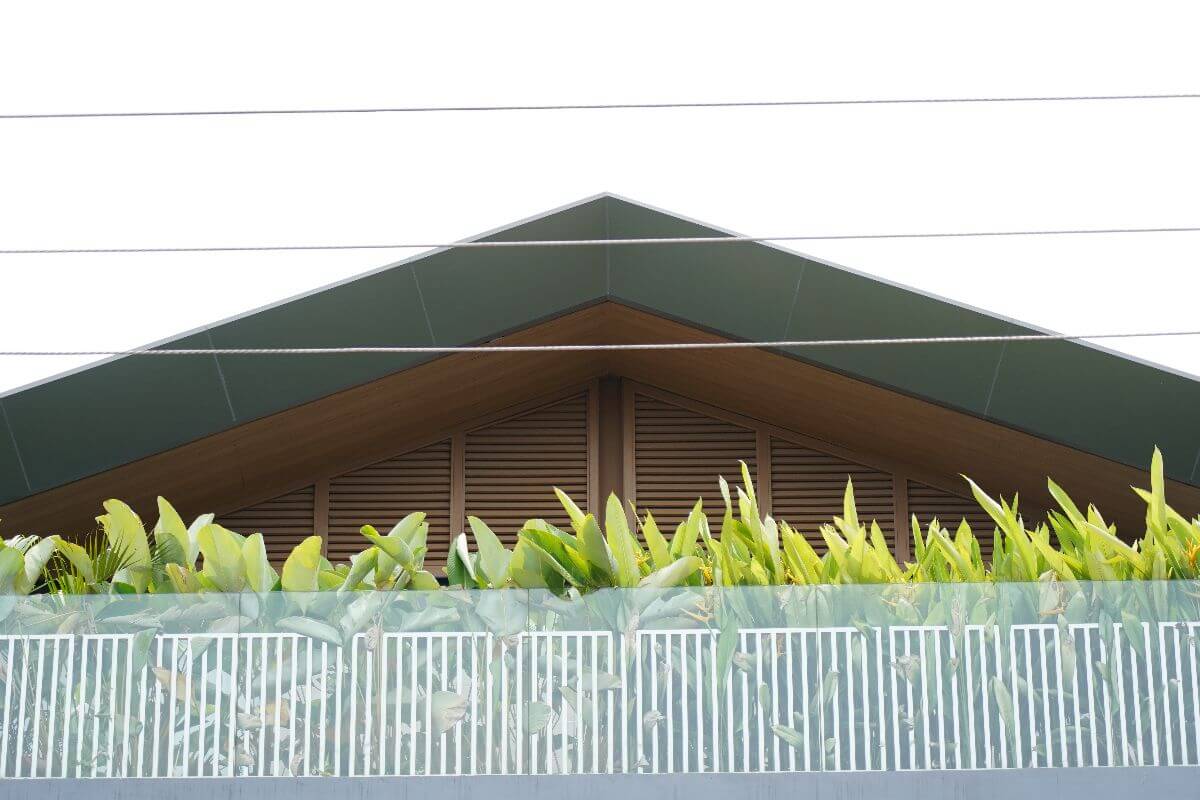
At GRM Biowood, we offer WPC louver ceilings that combine modern aesthetics with reliable fire safety performance. Our solutions are engineered for commercial environments, providing fire-rated products that comply with local and international standards while maintaining a polished, contemporary look.
We design our ceilings for durability and low maintenance, ensuring they withstand moisture, UV exposure, and daily wear. With a range of finishes, profiles, and sizes, you can select louver ceilings that match your design vision while providing long-term safety, functionality, and style.
Key Takeaway
By recognizing these fire safety considerations for louver ceilings, you can now approach your projects with confidence, anticipating potential hazards and designing spaces that remain resilient, safe, and adaptable under fire conditions.
Ensure safety and compliance in your projects with GRM Biowood’s premium WPC louvers. Designed for durability and fire-conscious performance, our solutions enhance protection while maintaining aesthetic appeal. Contact us today to explore our collection and specify the right louvers for your design.