Wood Louvers vs. Traditional Ventilation: Which Works Best?
Overview
- Beyond airflow, choosing between wood louvers and traditional mechanical ventilation is about balancing aesthetics, comfort, energy efficiency, and operational needs.
- Wood louvers, such as those offered by GRM Biowood, provide natural ventilation, elegant design, and reduced energy reliance, making them ideal for sustainable, visually appealing spaces.
- Traditional ventilation systems offer precise climate control, advanced filtration, and reliable performance in all conditions.
Airflow, comfort, and energy efficiency are key in building design, yet choosing between wood louvers vs traditional ventilation can be complex.
Some systems focus on precise climate control, while others prioritize natural ventilation, light, and aesthetics. Understanding each option’s benefits, limitations, and practical impact is essential to balance functionality, sustainability, and occupant comfort.
The Natural Elegance of Wood Louver
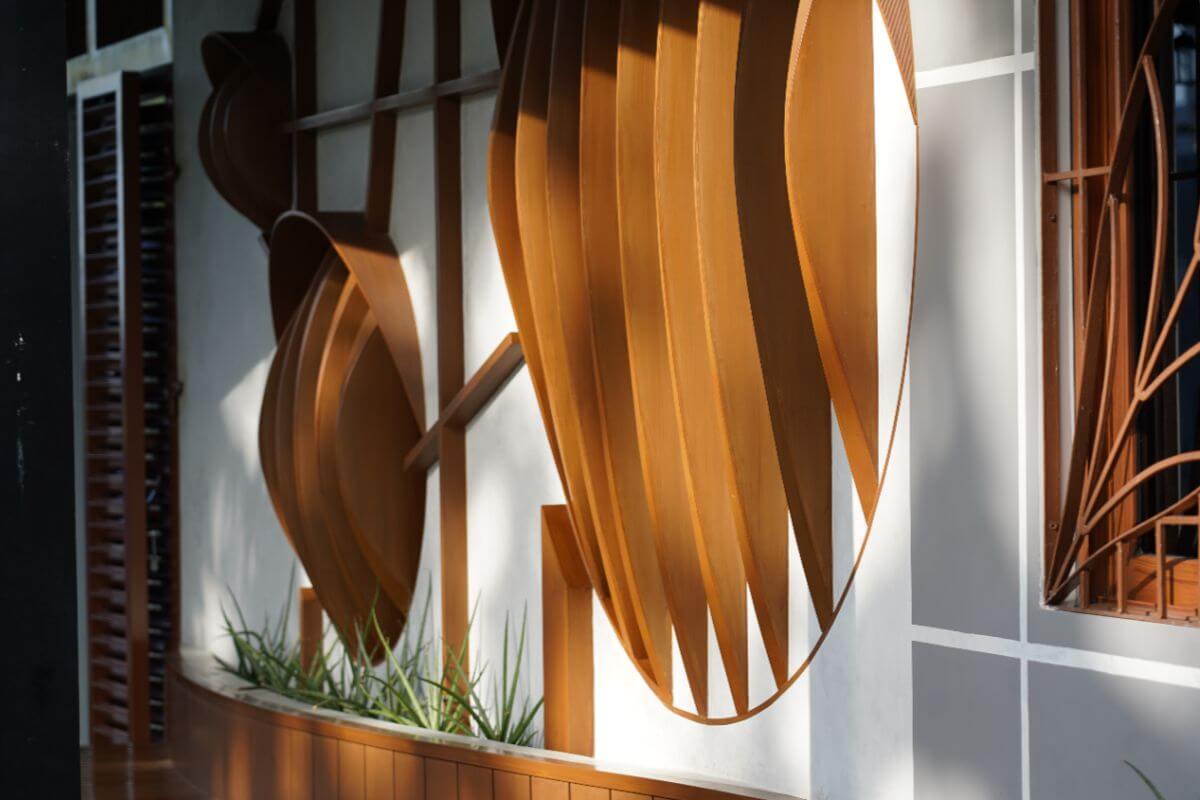
More than ventilation, wood louver combines functionality with refined design, providing natural airflow while enhancing a building’s aesthetic appeal.
Engineered materials from us at GRM Biowood ensure durability, weather resistance, and low maintenance, making them a practical, sustainable alternative to traditional ventilation.
Unmatched Aesthetics
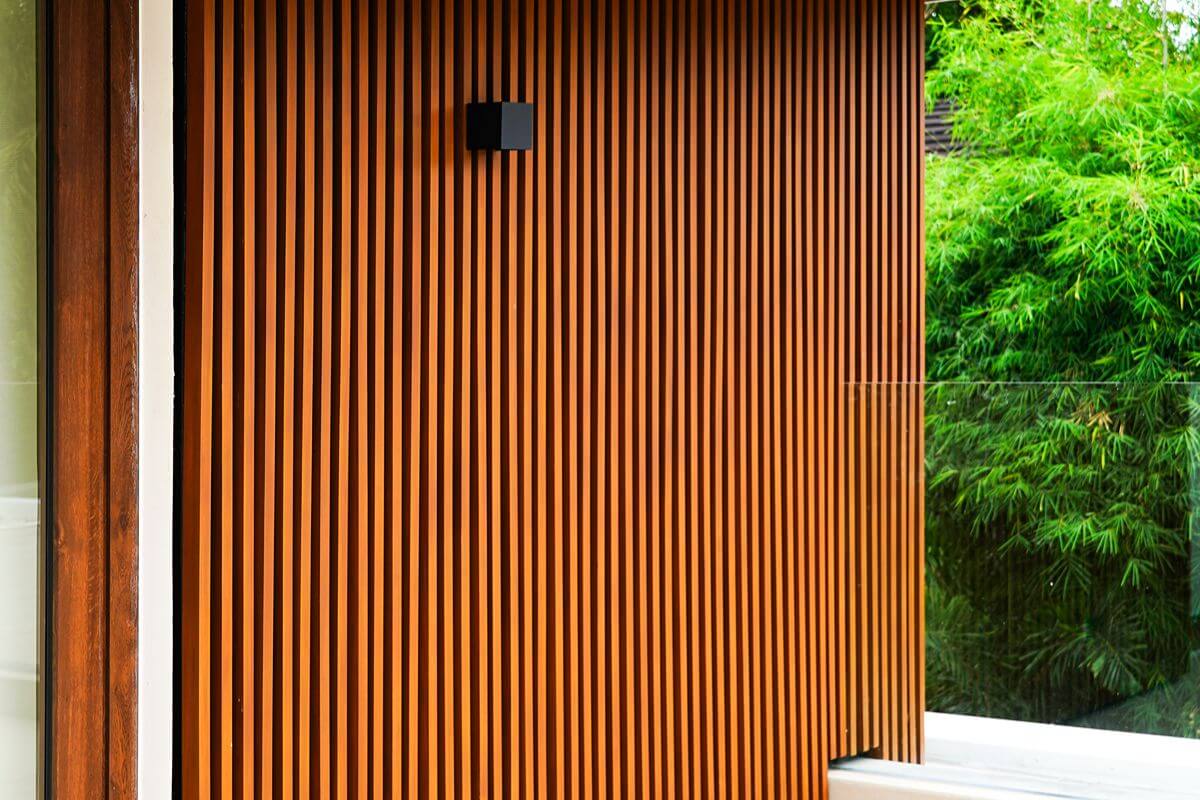
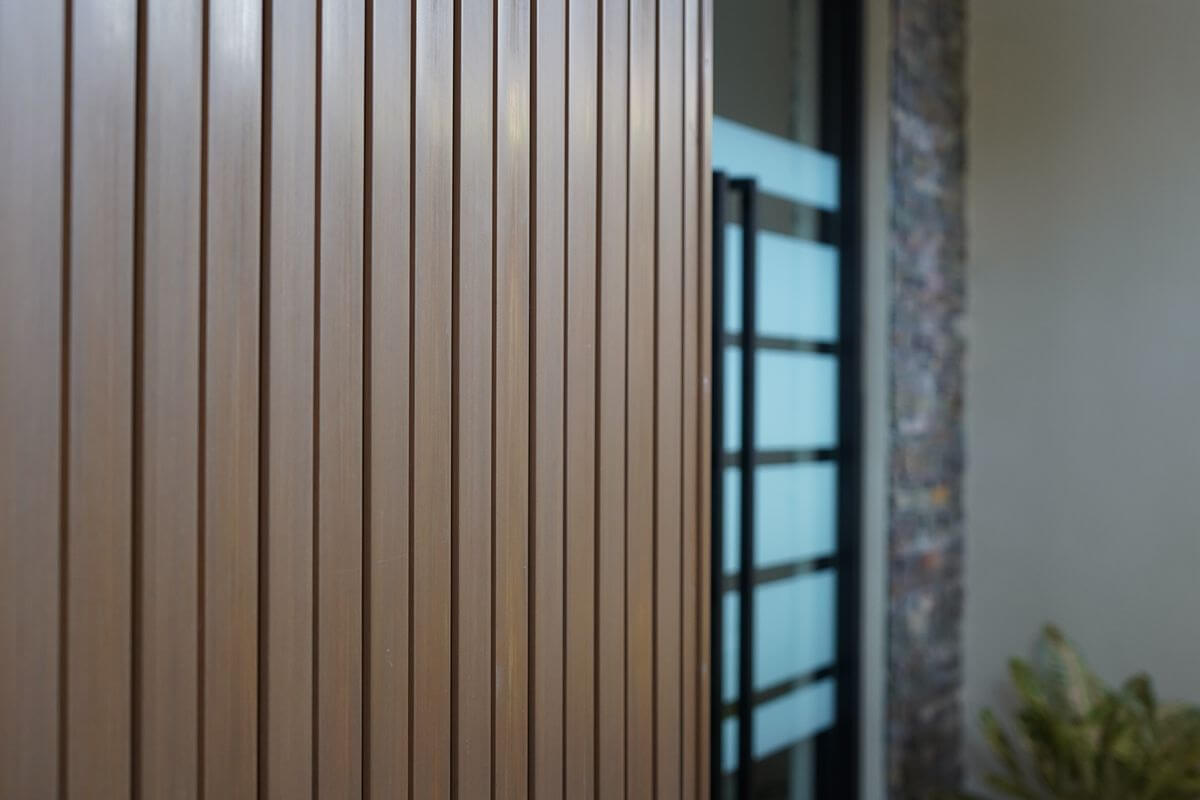
Unlike conventional metal or plastic vents, wood louvers bring warmth and texture to interiors and exteriors. Their design allows them to act as both functional airflow elements and decorative architectural features.
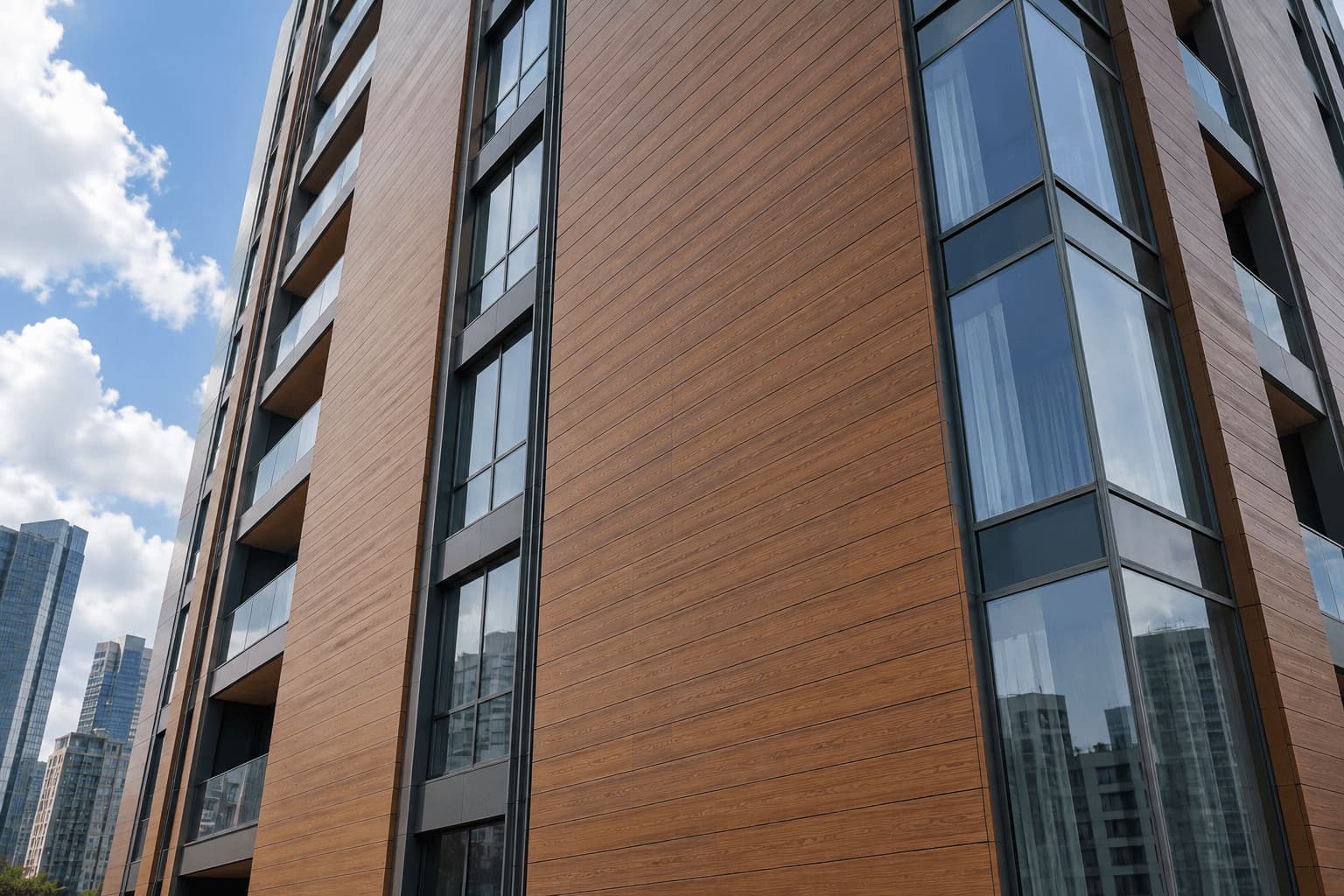
Available in multiple finishes, textures, and colors, Biowood louvers replicate the look of real timber without warping, rotting, or the upkeep challenges of natural wood. Their modular design means they can be arranged in patterns or integrated seamlessly into wall panels, ceilings, or façades.
Dynamic Light Control
Louvers allow for carefully controlled daylight entry, which is vital for reducing harsh glare while maintaining bright, inviting spaces. This control is achieved by angling the slats to reflect direct sunlight away from the interior, allowing only diffused natural light to filter through.
This subtle manipulation of light lets designers craft comfortable, energy-efficient environments, ultimately improving the ambiance and visual productivity of the occupants without relying on artificial lighting during the day.
Energy Independence
Enhancing natural ventilation, wood louvers reduce reliance on air conditioning. Air flows through slats and over surfaces, creating passive cooling that stabilizes indoor temperatures.
This approach lowers energy consumption and utility costs, supports green building practices, and reduces a project’s carbon footprint. Over time, low-maintenance Biowood louvers combined with energy savings provide significant operational benefits for building owners.
Superior Air Quality
Natural ventilation through louvers promotes constant air circulation, preventing stagnant pockets and helping regulate humidity. This is particularly important in tropical or coastal regions, where damp air can lead to discomfort or mold growth.
The moisture- and termite-resistant properties of Biowood ensure consistent performance even in challenging environments, keeping indoor air fresh and healthy without constant mechanical intervention. Properly installed louvers can also help reduce reliance on artificial air filtration for everyday comfort.
Privacy Shielding
The angle of the slats can be precisely calibrated to obstruct direct lines of sight from ground level or neighboring buildings, effectively hiding the inside from casual observation.
Simultaneously, the spacing and pitch allow occupants to maintain a clear view of the outside and allow crucial air movement. This allows for a strong link to the outside world while ensuring dignified privacy.
The Controlled Climate of A Traditional Ventilation
Traditional mechanical ventilation is ideal for spaces requiring precise control, consistent airflow, and advanced filtration.
While it may not provide the natural aesthetics or sustainability of wood louvers, it remains essential for applications where performance and reliability are critical.
Pinpoint Climate Control
These systems keep temperature and humidity levels exact and consistent, something natural methods cannot guarantee.
This precise control is vital for keeping valuable items safe, such as artwork, electronics, or fine wine, which need a stable environment to avoid damage.
Advanced Air Filtration
Modern mechanical units can have advanced filters. These are key to removing tiny particles, dust, and pollutants.
For buildings in cities with poor air quality, this level of cleaning creates a pristine environment for the people inside.
Scalable Capacity
For very large estates or complicated commercial buildings with many different zones, these systems can be designed to deliver even performance across vast areas.
The system’s power is scalable, ensuring consistent heating and cooling for every part of the project.
Effortless Integration
Modern systems can be integrated with smart building technologies, enabling automated adjustments, remote monitoring, and predictive maintenance.
These features help facility managers optimize performance, detect issues early, and reduce operational costs.
All-Weather Reliability
Unlike natural louvers, mechanical ventilation remains unaffected by outdoor weather conditions.
It delivers dependable airflow and climate control in any season, ensuring consistent comfort and performance throughout the year.
Guidance on the Perfect Match For You

Choosing the right system requires evaluating the project’s location, purpose, and long-term operation to ensure a design that balances aesthetics and performance.
- Consider the Climate and Location:
- For mild, temperate zones with consistent airflow, wood louvers are the most elegant and cost-effective solution.
- For extreme climates, a robust mechanical system must form the project’s foundation, with natural ventilation serving as a beautiful supplement.
- Evaluate the Functional Requirements:
- If the space is purely residential and the primary goal is natural comfort and low-impact living, the passive strategy of louvers is highly suitable.
- If the space requires absolute, unwavering environmental stability, a precision-controlled mechanical system is non-negotiable.
- The Uncompromised Solution The Hybrid Approach:
- For the highest standard of luxury, combining both gives you the best of both worlds. It uses wood louver as the primary, beautiful, and energy-saving barrier. The concealed mechanical system then activates automatically only during extreme weather, guaranteeing flawless comfort without sacrificing aesthetic value.
Key Takeaway
Choosing the right ventilation shapes not just comfort, but how a space interacts with light, air, and energy. Wood louvers vs traditional ventilation isn’t about one being better—it’s about aligning functionality, sustainability, and design intent.
Design with confidence, sustainability, and durability in mind. To consult with our technical experts, contact GRM Biowood today to explore our architectural solutions for facade cladding and ceiling solutions, and get the ideal material for your next project.